Rural District Councils (RDCs) played a central role in this model. As the holders of “appropriate authority” under an Amendment to the Parks and Wildlife Act, the government gave RDCs “user rights” to manage and benefit from wildlife on communal lands on behalf of the communities they represent. This meant RDCs could make decisions about how wildlife was utilized and ensure that communities received a share of the income from activities such as tourism or hunting. Many RDCs used this authority to adopt the CAMPFIRE model, which links conservation with rural development. This shift helped increase community participation and reduce poaching in the early years. Some pioneering districts, such as Mbire, Mahenya, and Binga, achieved great success in the early days. However, over time, problems emerged as some communities sought more control over how the money was used.
By the late 1990s, it was clear that the benefits from CAMPFIRE’s impact were distributed unevenly across the areas under the program. Some communities thrived, while others received little benefit. Although the program aimed to give local communities more control over their resources, their power was limited by governance issues that affected the management of funds earned from the program. In the 2000s, political and economic challenges led to declining funding and momentum for conservation efforts. With fewer resources and little incentive, many communities stepped back from wildlife protection, and conflicts with wildlife increased. People who had once driven conservation efforts were now struggling to coexist with the same wildlife they had once sought to protect, as the costs associated with living among wildlife rapidly rose, while benefits shrank.
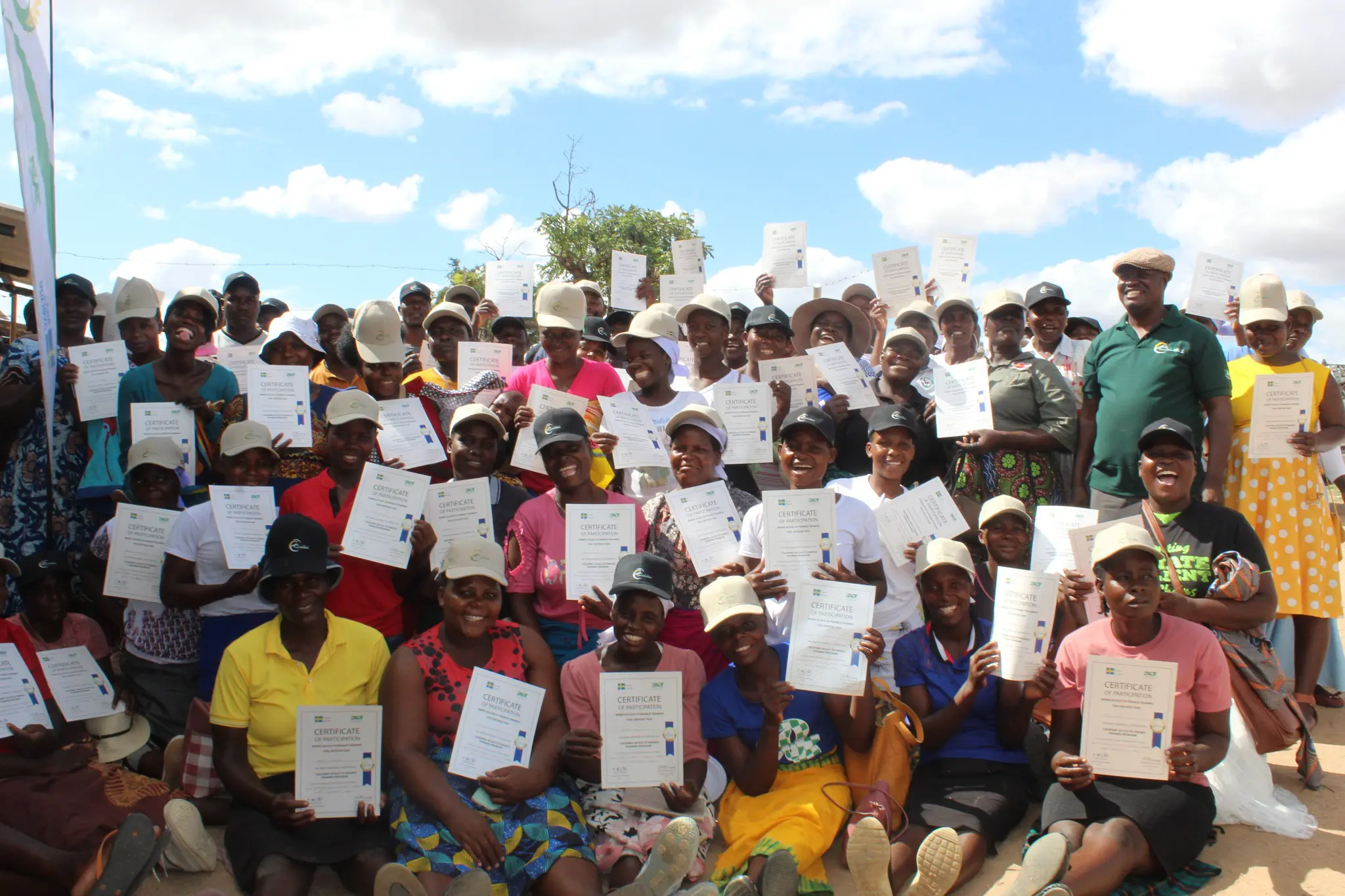
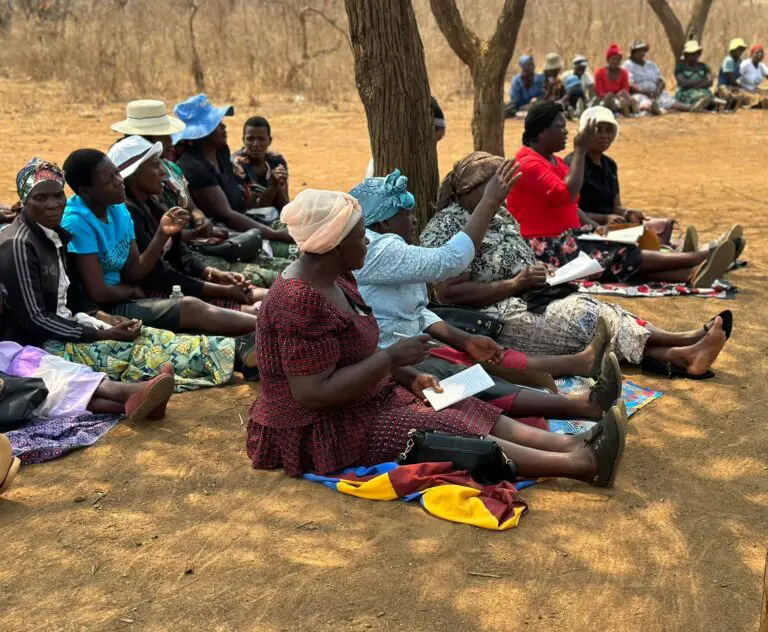
But now, against the odds, Zimbabwean communities and grassroots organizations are reclaiming their place at the heart of conservation. Through organizations like Southern Alliance for Indigenous Resources (SAFIRE), Zimbabwe Environmental Law Organisation (ZELO) (formerly Zimbabwe Environmental Law Association), and Wildlife Conservation Action (WCA), a new movement is emerging that prioritizes protecting both people and nature, fights for environmental, economic, social, and cultural rights, and creates real economic opportunities in conservation.
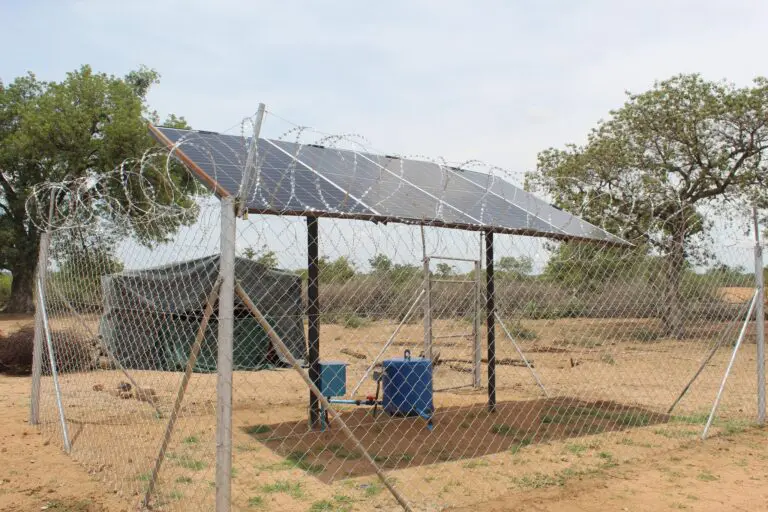
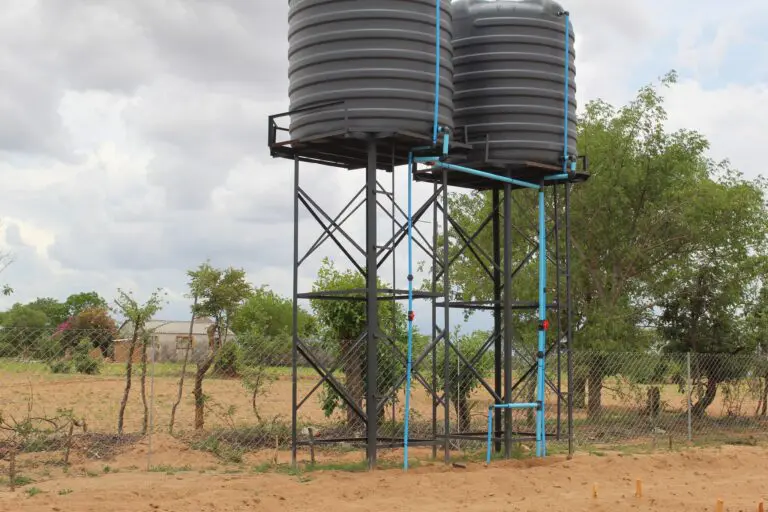
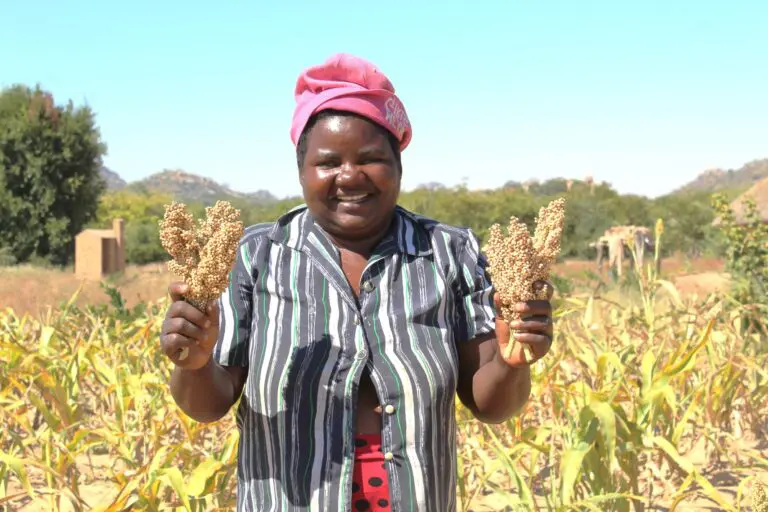
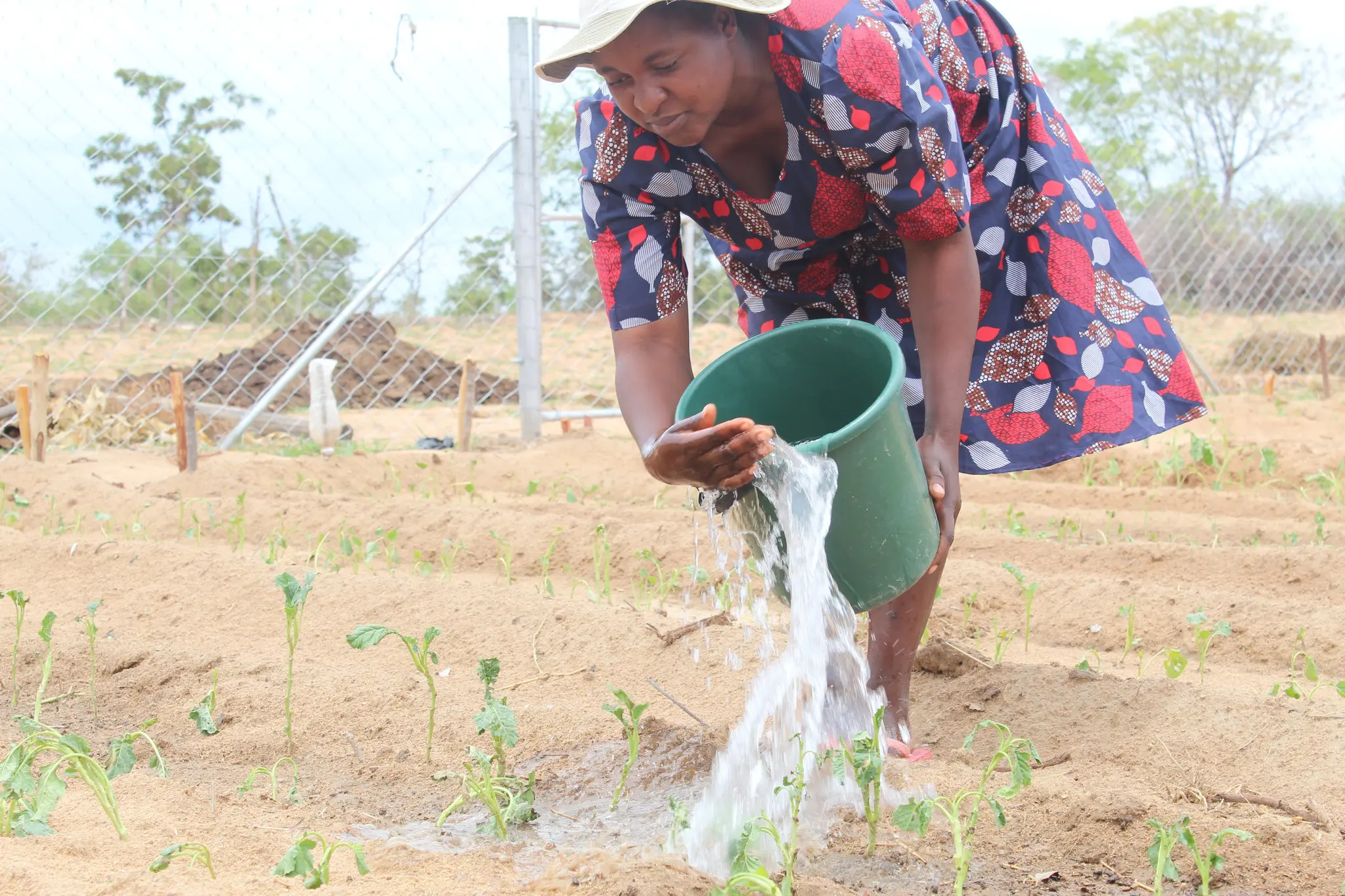
“We have seen real transformation – families paying school fees developing their homesteads by improving their buildings, establishing household solarized water system gardens, and participating in savings and lending activities, from honey and baobab and mar sales, earning a livelihood from conservation means a community begins to recognize and value its natural resources.”
Estella Toperesu, Director of SAFIRE.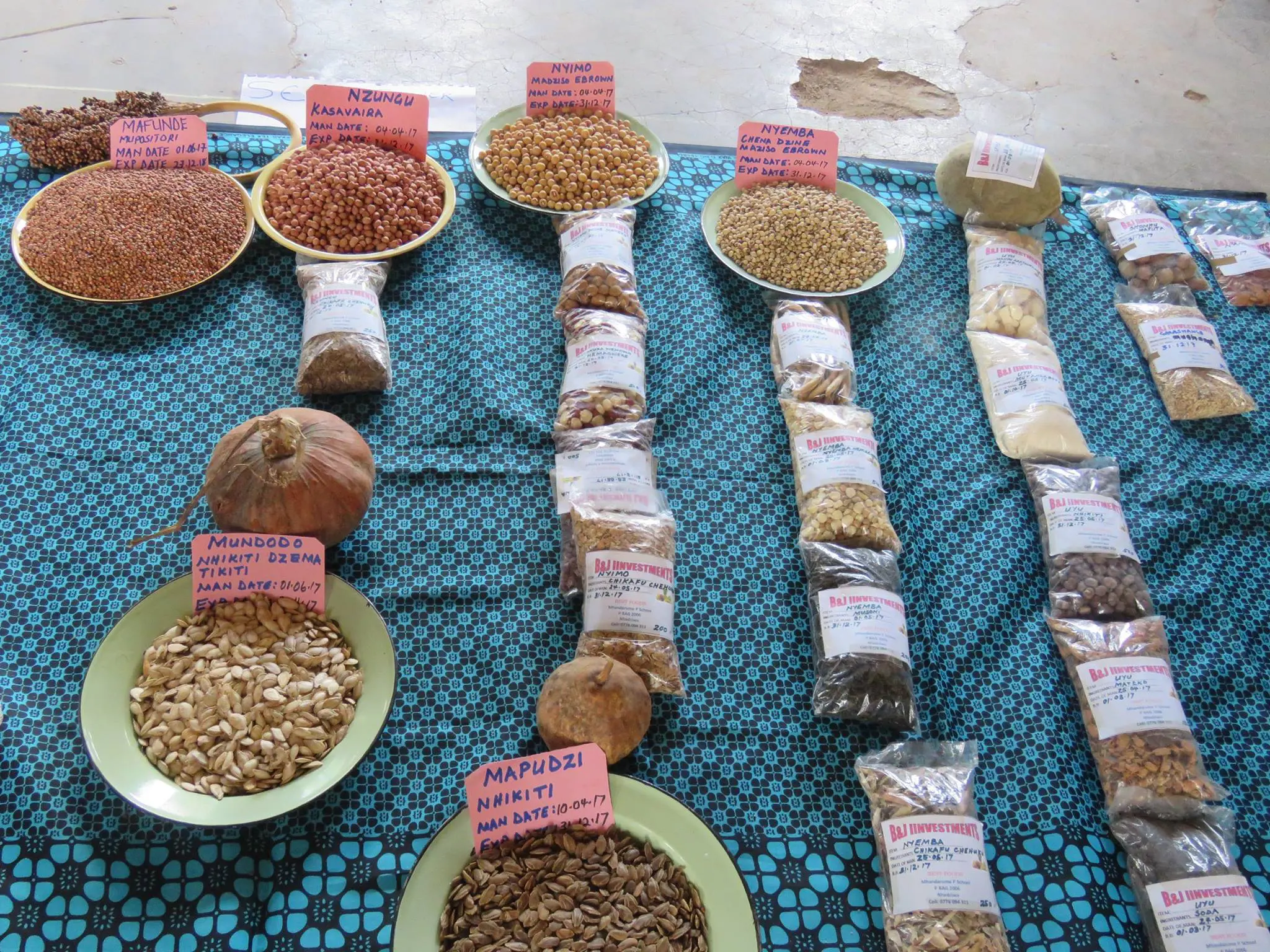
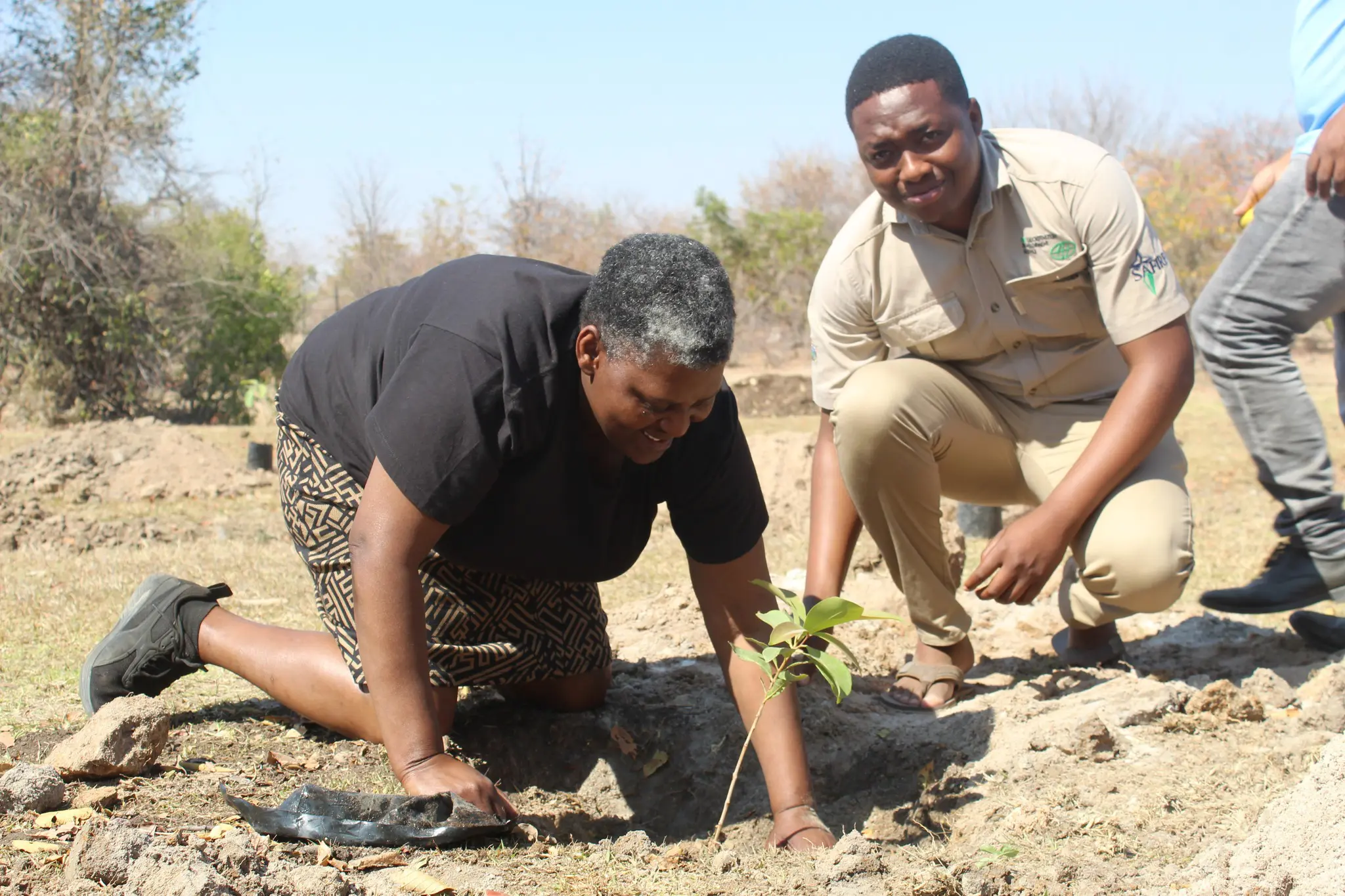
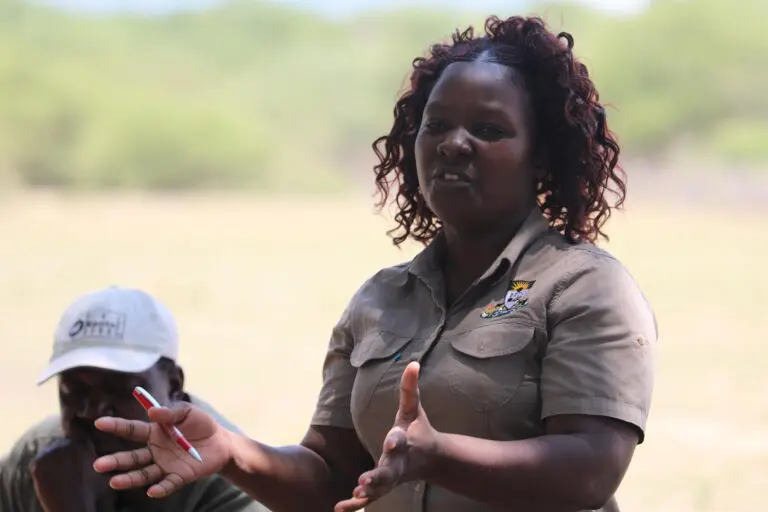
“They are the sons and daughters from these communities... they understand the problem better, and they are also the ones that are better positioned to find solutions.”
Dr. Moreangels Mbizah, WCA’s founder and Executive Director.
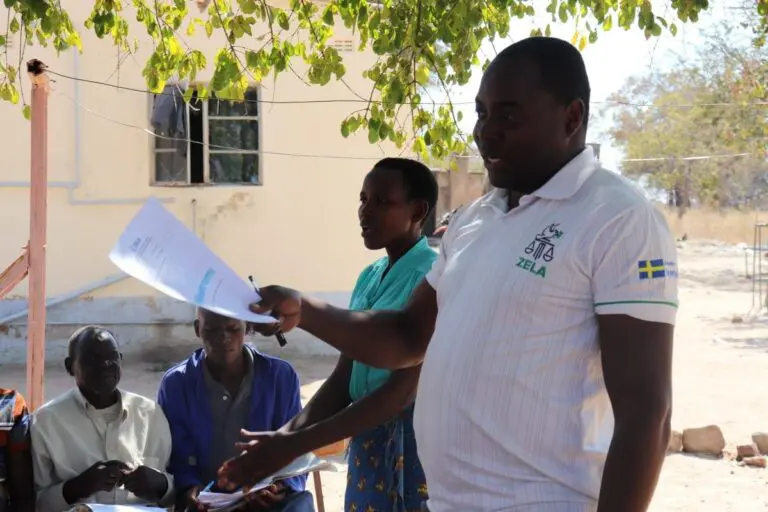
“Registration of CBOs as legal entities is a key tool of promoting sustainability, as these institutions will remain rooted in communities long after projects have ended,”
Mutuso Dhliwayo of ZELO