Namibia’s Community-Based Natural Resource Management (CBNRM) model has been hailed as a pioneer and global success. But what does it actually take to keep an idea alive for 40 years?
For the Integrated Rural Development and Nature Conservation (IRDNC), the organization that sparked Namibia’s CBNRM movement, the answer lies in a single unwavering principle. Their work was founded on the belief that the people living alongside wildlife must have the rights and responsibility to manage it, and earn real benefits from protecting it.
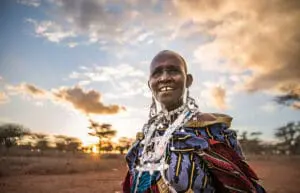
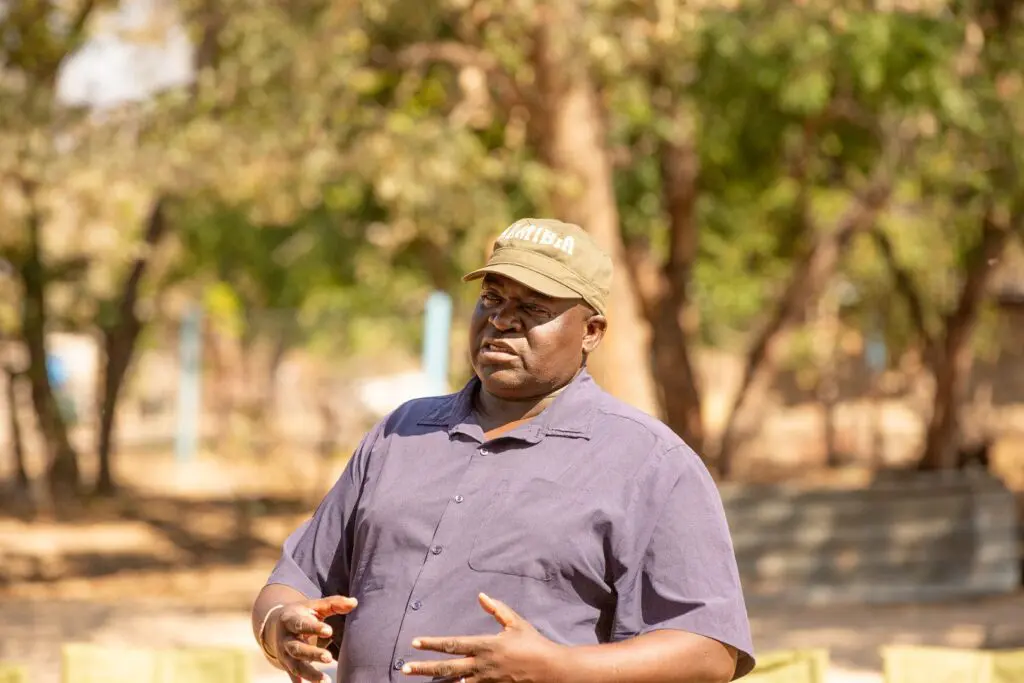
“Community conservation is not a finished story,” says John Kasaona, IRDNC’s Executive Director, at the launch of their Strategic Plan for 2026-2031. “It continues to evolve, to adapt, to respond to new challenges and opportunities. After more than 40 years, we are still asking the important questions about how conservation can better serve people.”
Namibia’s northwest in the early 1980s was not a hopeful place to start a conservation project. In this sun-baked tapestry of dusty plains, dramatic mountain ranges and dry ancient riverbeds, wildlife was under attack. Black rhinos and desert-adapted elephants were being poached by officials, soldiers and villagers alike. Wildlife belonged to the government, on paper and in practice, which meant it belonged to no one who actually lived alongside it, and no one who had much reason to protect it.
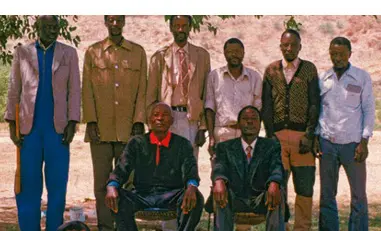
Garth Owen-Smith and Dr. Margaret Jacobsohn – the founders who would go on to shape IRDNC – went to the region’s traditional leaders, headmen Goliat Kasaona, Joshua Kangombe and Theofelus Hawaxab. Their conversations birthed Community Game Guards – local men, many of them former poachers, given authority over the wildlife their own communities now had a stake in protecting.
“Because in the early days we listened a lot more than we spoke, the vision that emerged was a local one, not just ours,” IRDNC would later reflect. “Our ears are probably our most important tool.”
It worked. Within two years, illegal hunting had become socially unacceptable in the areas the game guards patrolled.
During this pre-independence period, the belief that local people were the best stewards of the wildlife around them was not good politics. Funding was pulled more than once as officials came to see local ownership of wildlife as a political risk rather than an effective conservation strategy.
But by Namibia’s independence in 1990, the results were undeniable. Wildlife numbers had been steadily increasing after the headmen became involved, and that positive change convinced the new government to support community ownership of wildlife management.
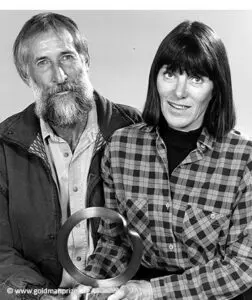
“When we started, we were told we were lunatic fringe. But [CBNRM] is now a deeply embedded African way of doing conservation and I think that’s just amazing.”
Dr. Margaret Jacobsohn, IRDNC co-founderOwen-Smith and Jacobsohn had effectively run a decade-long pilot program. The new Namibian government believed in it enough to build it into law. The Ministry of Wildlife Conservation and Tourism, together with IRDNC’s founders, ran a series of socio-ecological surveys across areas where people lived alongside wildlife – asking residents directly about their development needs, whether they still wanted to live with wildlife at all, and what it would take to make that possible. That feedback, combined with lessons from Zambia and Zimbabwe’s CAMPFIRE program, shaped the 1996 Nature Conservation Amendment Act. This transformational law entrenched communal conservancies as a legal entity; gave communities the power to decide if and where they wanted conservancies; and gave them the rights to use and manage the wildlife.
What followed was not a single victory but a slow accumulation of them: four conservancies registered in 1998, growing to nearly 50 by 2010, as neighbouring communities began comparing notes and coordinating on wildlife counts, anti-poaching patrols and tourism deals.
Once ownership was proven in a handful of villages, it started to become a shared approach.
Today, there are 87 registered community conservancies covering roughly 20% of the country’s land. IRDNC works with 46 of them, supporting nearly 126,000 people.
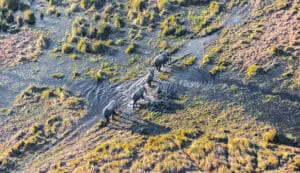
If Kunene is where the model was proven, Zambezi is where it continues to deepen – in the heart of the Kavango-Zambezi Transfrontier Conservation Area (KAZA), the largest terrestrial conservation landscape on earth. This mosaic of state protected areas and community lands spanning five countries is home to nearly 230,000 elephants – the largest population left anywhere – and thousands of households who depend on its resources.
Holding this vast landscape together across borders takes as much relationship-building as it does technical know-how.
“They don’t know you, they don’t trust you,” says John Kamwi, IRDNC’s Transboundary Coordinator, describing arriving in a community across the border for the first time. “You need to build a relationship. You need to build trust before you start talking to people.”
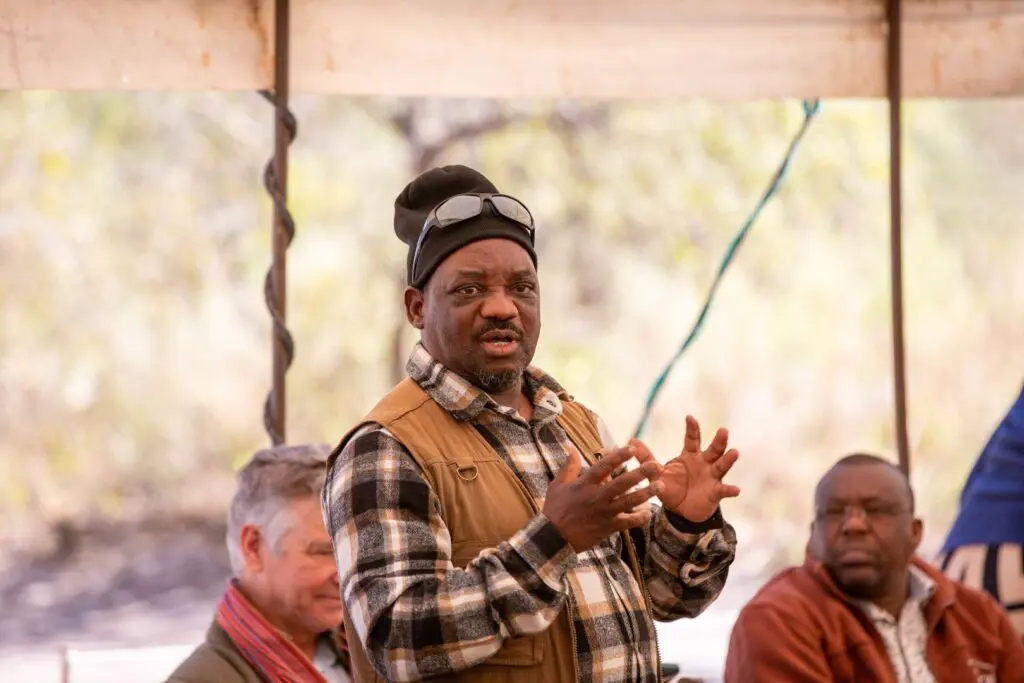
That patience is a crucial part of the work. IRDNC helped start transboundary forums spanning Botswana, Zambia and Angola after communities on the Namibian side raised concerns that poaching gangs were traversing the same corridors used by elephants to move between KAZA countries. Those corridors only stay open if the people living along them choose to keep them that way, meaning that the forum could not simply be handed down from IRDNC or from the government. It had to be built in the same way trust was built with headmen in Kunene decades ago, one village at a time.
“We have managed to establish six TBNRM forums that are working,” Kamwi says. “They are run by the committees themselves.”
Today, the forums run largely autonomously, with funding support from IRDNC. They give communities on both sides of a border a direct role in managing shared wildlife and other shared resources like fisheries, and resolving problems – like cross-border poaching – that no single country can solve alone.
Trust opens the door. What keeps people walking through it is whether conservation actually pays.
Reuben Mafati, IRDNC’s Zambezi landscape coordinator, has watched the numbers grow since he joined in 2001: from a single tourism joint venture in the region to around fifty today, and employment from fewer than twenty people to roughly 1,575.
Communities now sit at the negotiating table as partners, trading land rights, labour and wildlife protection for a real share of what tourism and hunting bring in. That income does double duty. It funds direct and visible community benefits like water infrastructure, electricity and scholarships. But a significant share also goes straight back into running the conservancy itself – paying community game guards and resource monitors, funding anti-poaching patrols, and managing human-wildlife conflict.
The scale of that income has grown fast. Income generated by IRDNC-supported conservancies more than doubled under a decade – from N$34.5 million in 2015 to N$78.3 million in 2024. But almost all of it (88%) flows through two channels, tourism and trophy hunting.
“The income streams to the communities currently is basically from one source and that is not good enough,” says Mafati. “We would really like to look outside the box.”
When COVID-19 shut down travel almost overnight, some conservancies lost almost two-thirds within months.
“A shock to hunting, especially, whether from policy change, market pressure, or another crisis could cause most conservancies to close down,” he warns.
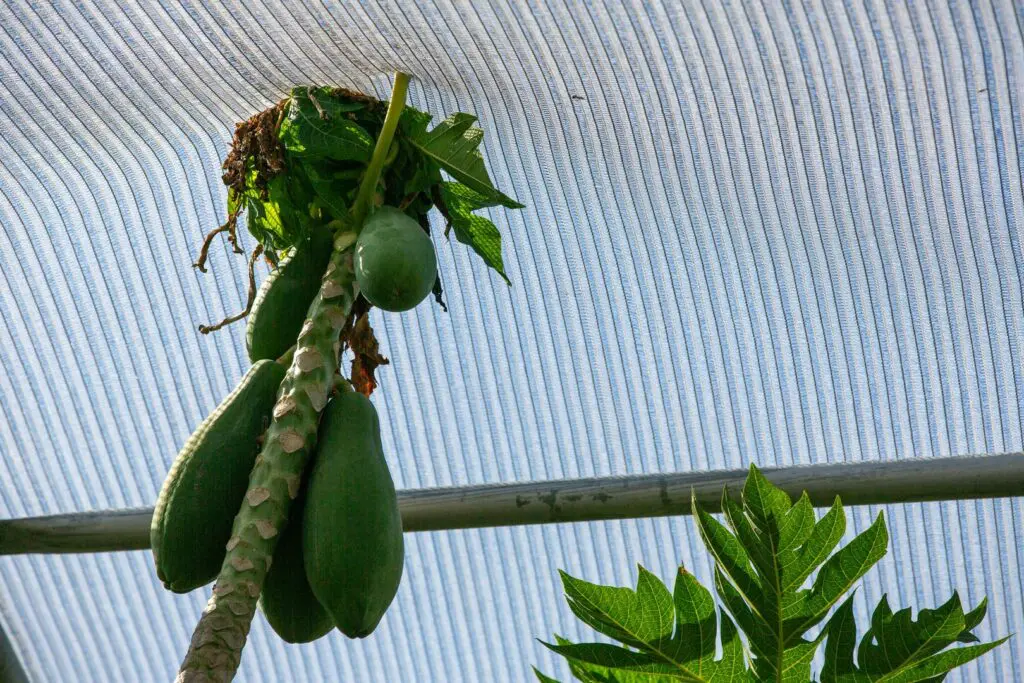
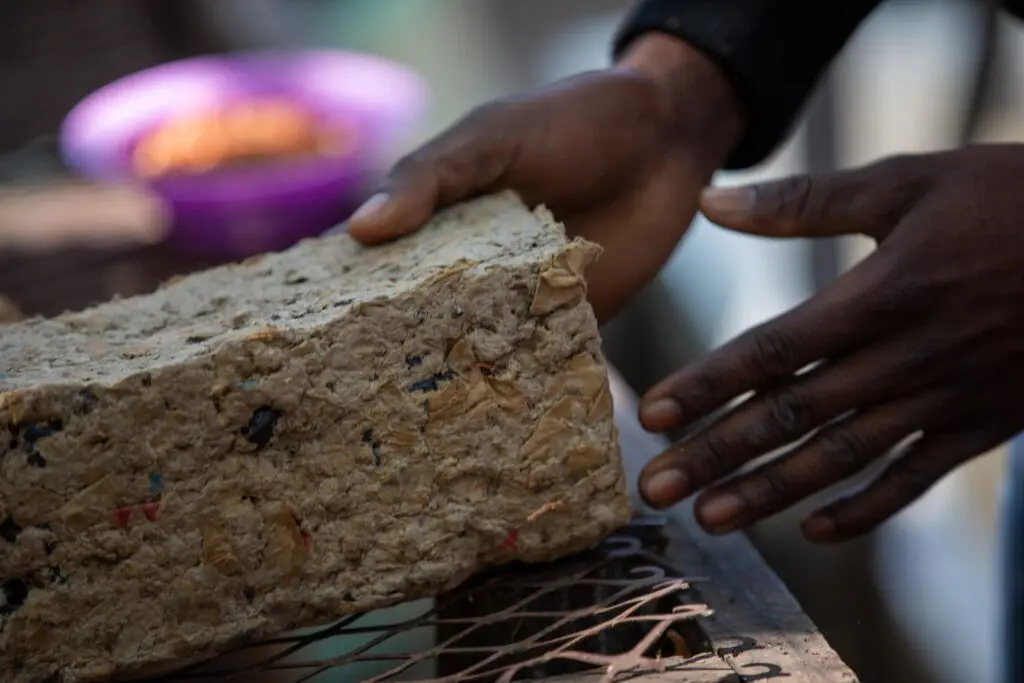
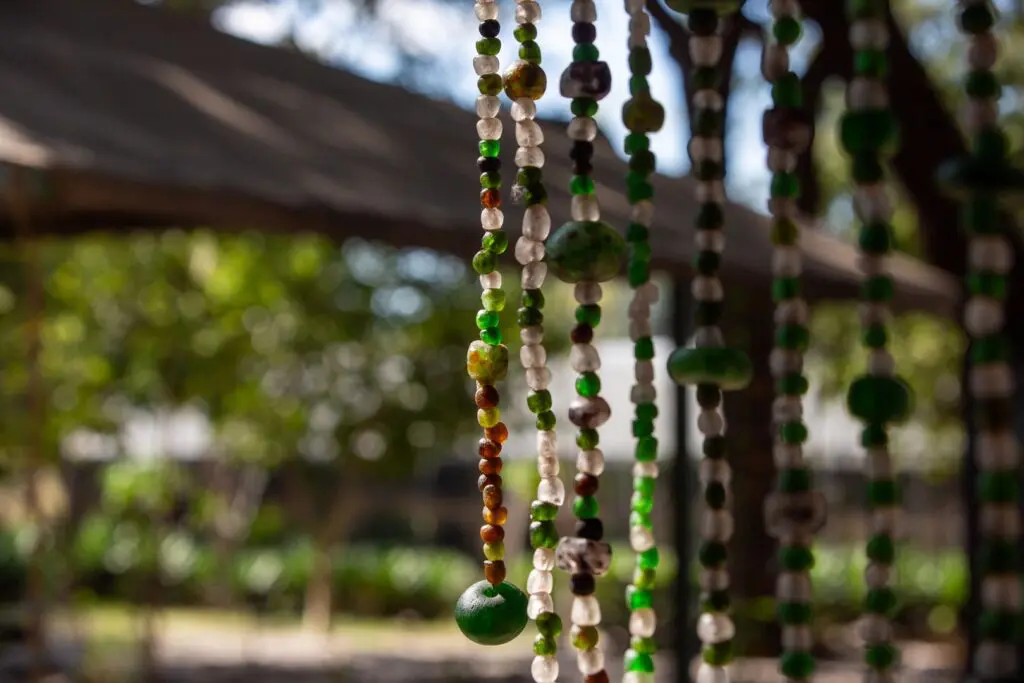
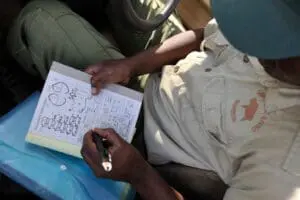
On the ground, people are already testing other options. At a demo-farm supported by IRDNC, four guava trees from the Ministry of Agriculture have grown into an orchard of 500, now supported by solar-irrigation after years of drought. Mate, the farmer, also keeps bees for honey, grows cassava and other indigenous crops, and through a certificate program run with the Namibia Nature Foundation, trains others from surrounding conservancies to do the same. This small operation is proof that alternatives exist, even if they aren’t yet built at scale. Whether through new income streams or new ways of managing old ones, the answer to keeping this model alive has always come from people testing it on the ground.
Two landscapes, two very different starting points, and one thread connecting them: none of this holds without trust, built slowly, and renewed constantly.
“This moment is not just about reflecting on what has happened,” says John Kasaona. “It is about renewing our collective commitment to what still lies ahead. The work continues. The challenge remains.”
IRDNC’s new strategic plan is in that sense, less of a new direction and more of an old question asked again, under new pressures. Their answer, laid out across the next five years, is about widening out their model – more conservancies with real governance power and more income streams to balance the risk of a bad season.
Forty four years in, IRDNC does not claim to have solved CBNRM. It has simply continued mapping the way forward and passing the work on to whoever is ready to carry it next – headmen in the 1980s, transboundary committees today, conservancy management committees, and the next generation of conservationists tomorrow. That may be the only real answer to what it takes to keep an idea like this alive: not certainty, but a willingness to keep handing it forward.