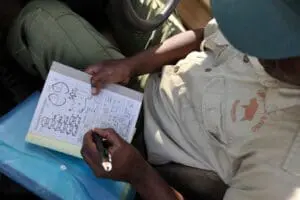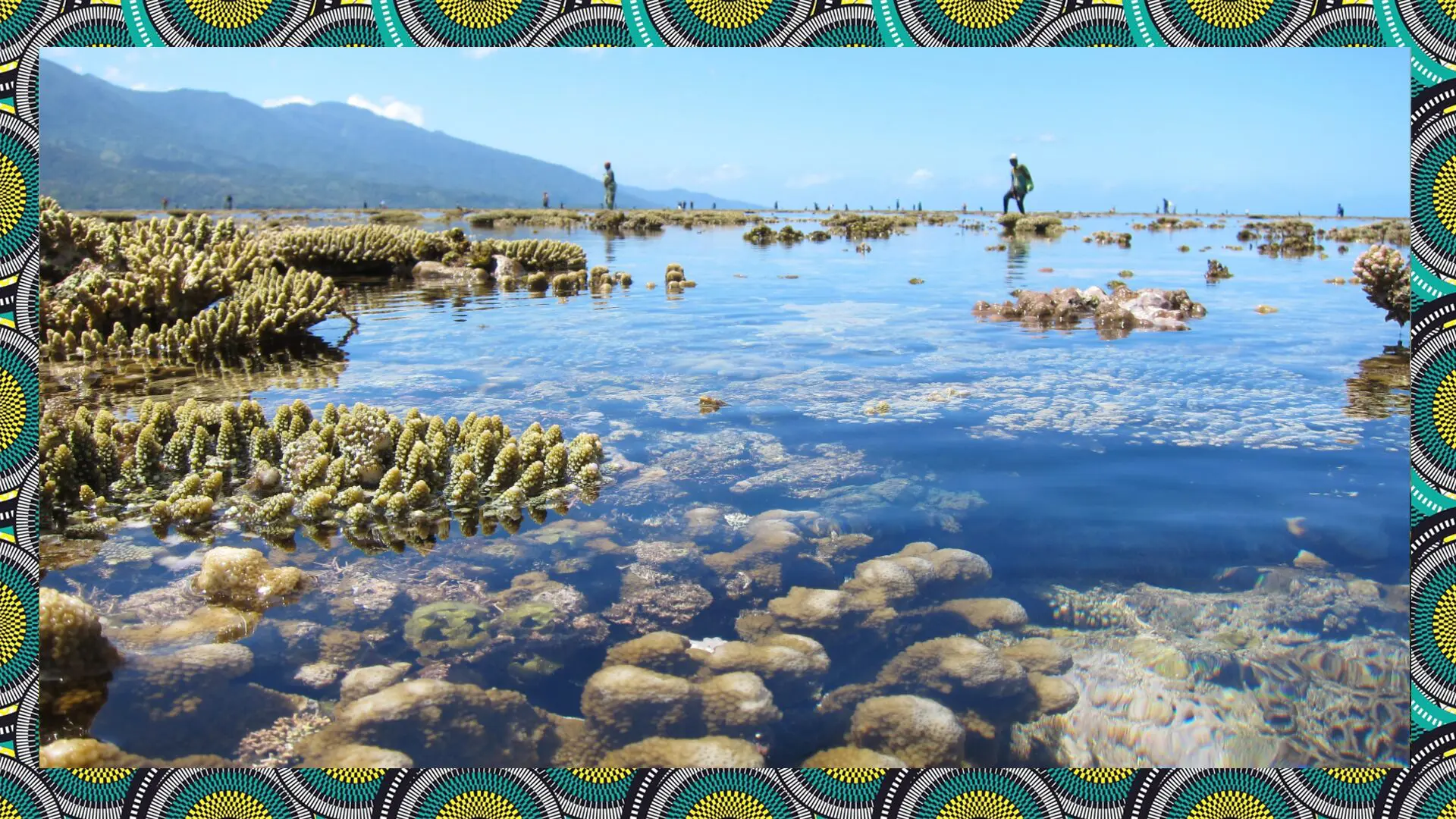
Ramarolafy Justin has walked through Madiromirafy-Ankirihitra forest almost every day since 2010. He knows the calls of the birds hiding in its wetlands; the paths lemurs take through its canopy; and where to look for poachers’ snares – he used to be one of them.
“Before IMPACT Madagascar arrived, I did not know what biodiversity conservation was,” he says. “For us, the forest was simply there, and the animals were a resource. I used to be a hunter.”
When IMPACT Madagascar – a local conservation organization – first came to survey the forest in 2012, he thought they were wasting their time on animals that nobody cared about. He quickly changed his mind.
“Instead of judging [our practices], they offered a new opportunity for me and many other people as local patrol guides.”
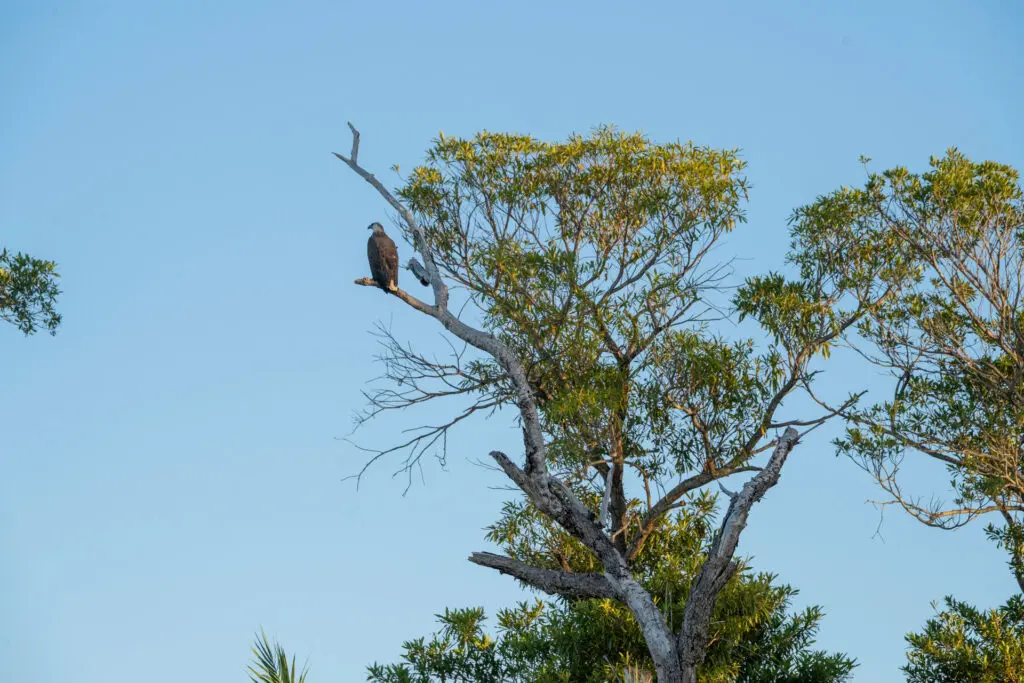
Ramalofary’s transformation happened many years before IMPACT had a formal role in managing the forest he calls home. His experience reflects a broader shift now underway across the nation. In 2025 and 2026, the government passed the Protected Areas Decree, signing a wave of contracts that delegate management of some of its most significant ecological landscapes to local organizations. Nearly half of the country’s protected areas are now run this way.
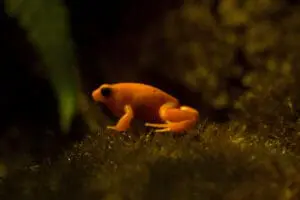
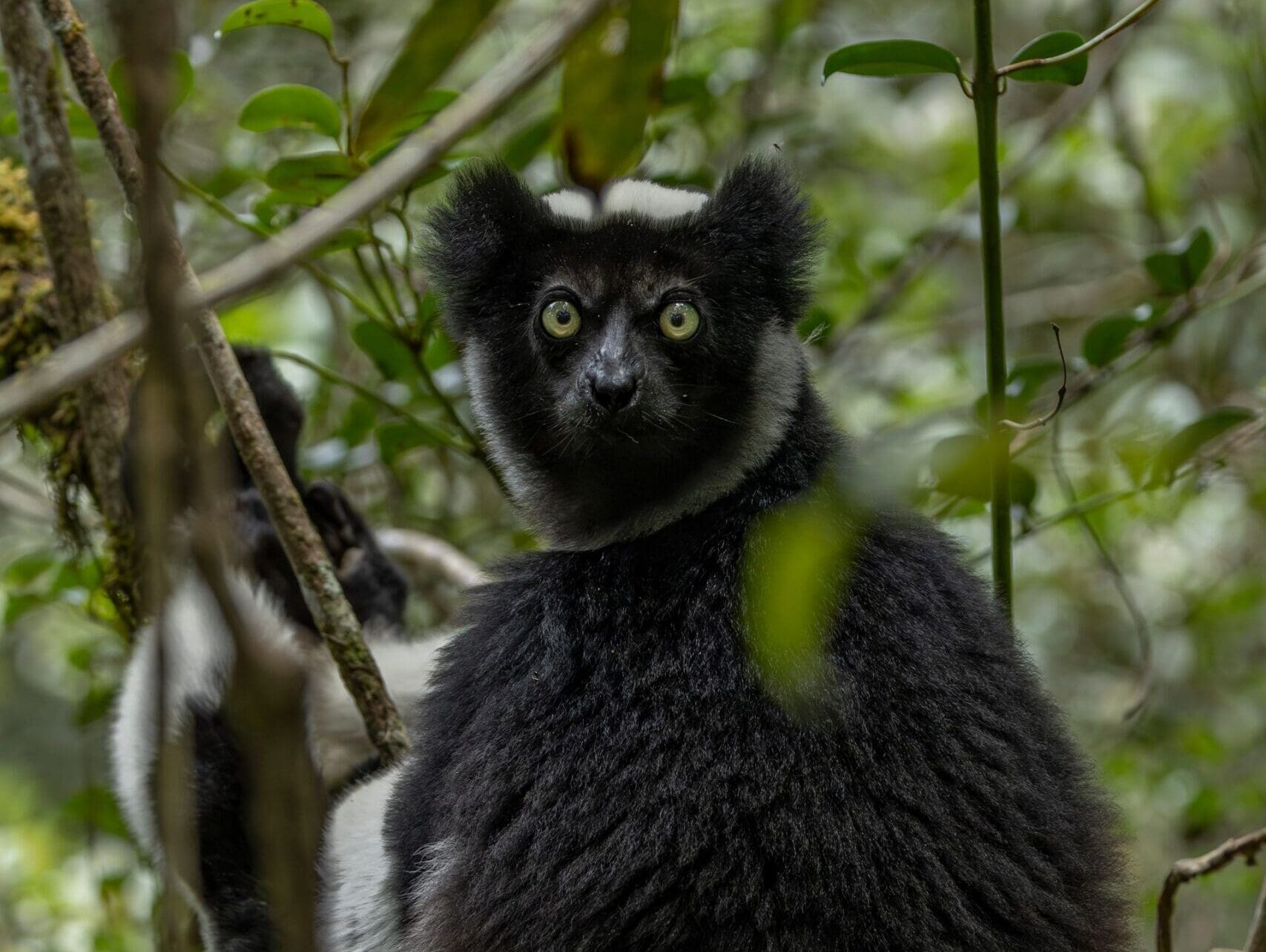
It’s a consequential moment, in Madagascar and beyond. More than 80% of the island’s plant and animal species exist nowhere else on earth. Its forests are a refuge for lemurs – ecosystem anchors as much as they are national symbols – and a genuine climate asset, storing significant stocks of carbon. Protecting these landscapes is a global responsibility equally as it is a local one, which makes the question of who does that protecting, and how, a significant one.
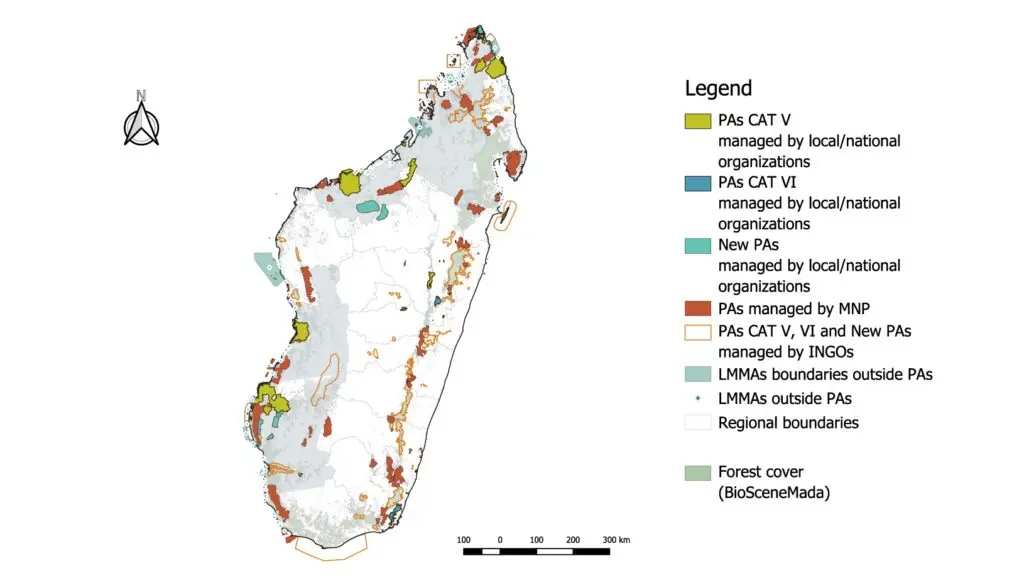
Among the local organizations granted delegating contracts are GERP and IMPACT Madagascar. These two Malagasy conservation groups have spent a combined three decades working in ecologically critical landscapes that also support livelihoods for the communities living there. The new decrees carry real weight – legal authority to manage access, enforce rules and plan a decade ahead instead of scrambling year to year. They represent the state’s confidence in what local organizations had already proven on the ground.
“Having the protected area decree is really meaningful because it finally gives us recognition and authority,” says Hanitra Rakotojaona, Executive Director at GERP. “But it doesn’t mean the work is finished, It’s just the beginning…and we hope the ministry and the government will really support and accompany us through that.”
A decree gives an organization the mandate to manage a forest. It doesn’t, on its own, provide everything the mandate requires.
Efatsy Manombo in southeastern Madagascar, is a stretch of low-elevation humid forest with 80% plant endemism and rare wildlife like the Critically Endangered white-collared lemur. The two towns on either side of the forest create significant pressures. There is a constant demand for charcoal, timber and canoe wood, and rice fields that depend entirely on the rivers in the forest.
GERP has worked in Manombo since 2015, combining lemur and forest conservation with livelihoods, women’s leadership and community services.
Andrianandraina Fanjanirina, Fanja, is one of their community liaisons. She moved to the area in search of a job, and found herself working as one of the loggers who took from the forest without considering what her actions meant. What she remembers the most about those years is the fire.
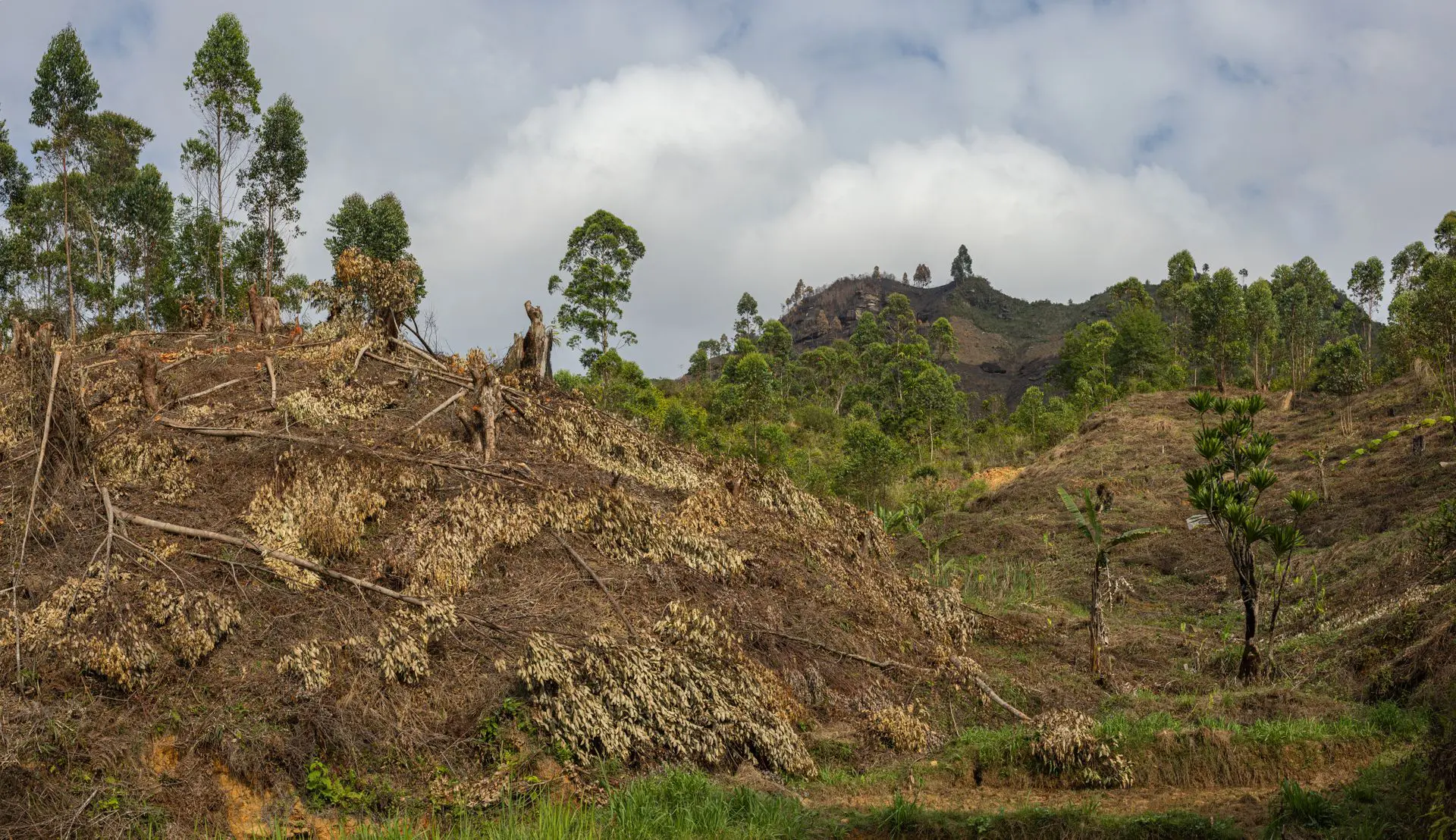
“Every year, there were forest fires,” she says. “We were used to seeing the forest in fires, and used to hearing people shout that there was a fire.” It’s been two years now since anyone has had to shout that warning.
“Then GERP came to raise awareness about environmental protection, which pushed us to stop our activities,” she adds. “The forest has turned green again. Charcoal making no longer exists and neither does tree felling.”
Today Fanja is the president of Varizasy, a women’s association with 30 members. She is also a conservation advocate, raising awareness by going door to door in her free time. Her association manages plant nurseries and work as GERP-trained forest rangers, receiving stipends that ensure their “families eat well and can send their children to school.”
Fanja’s story is not the result of the new decree. It happened because GERP spent a decade earning the trust of the people who depend on Manombo everyday, built by addressing their needs and giving them a shared stake in its protection. It’s what turned Fanja from the forest’s biggest threat to its fiercest defender. And it’s the foundation the decree can now build on, catching up to a community that has already decided to protect its own forest.
A legal mandate doesn’t automatically mean every actor in the landscape embraces it. Ranaivoarisoa Faly Nambinina is employed by GERP as the site manager for Efatsy Manombo forest. He recalls an experience with another organization that had been operating in and around the forest before GERP was named its official manager, without coordinating efforts. Even after the appointment, he says, that same organization continued to carry out research within the protected area, including capturing animals for biological sampling, without consulting GERP first.
Although GERP has raised the issue more than once, formal coordination mechanisms haven't followed. It’s a reminder that a mandate is only as strong as the systems that support it. As more organizations take on this kind of delegated authority, clearer coordination between everyone working in the same landscape will matter as much as the decree itself.
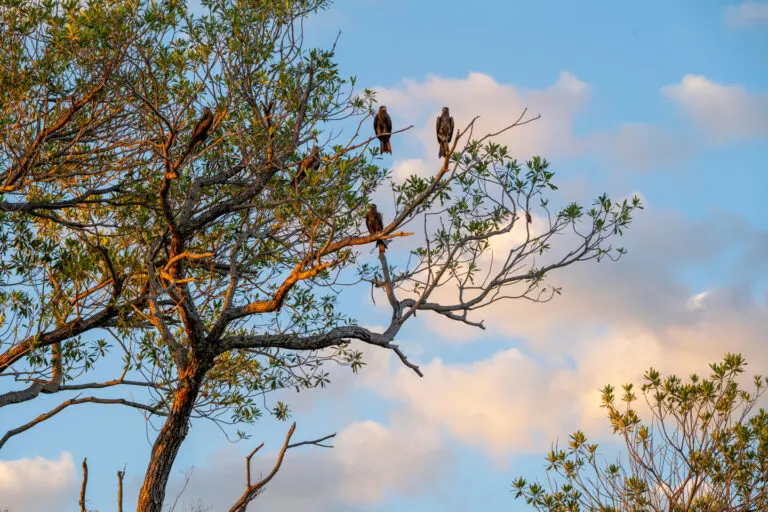
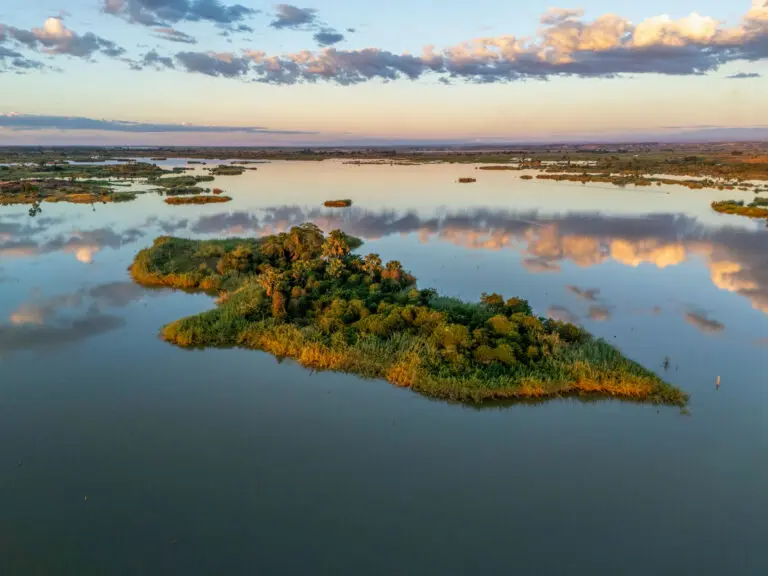
The same is true at a larger scale. IMPACT Madagascar works across nine sites and roughly 249,000 hectares in western Madagascar, often in remote, fragmented forests including Madiromirafy-Ankirihitra. This mosaic of wetland and dry forest, home to critically endangered birds and lemurs, is the center of an ongoing conflict. IMPACT Madagascar is currently navigating a mining claim in Ambohijanahary, a different intervention site within the landscape. The claim overlaps with the land the organization is working to bring under protection with nearby villages.
It’s not a case of bad faith. Madagascar’s government is managing competing but legitimate national priorities – economic development and biodiversity protection, often in the same landscapes. But a lack of coordination between branches of government hampers progress and creates tensions for the organizations and communities that have spent years protecting those landscapes. For IMPACT Madagascar, it means continuing to raise these overlaps early and often, and hoping that dialogue translates into alignment before decisions are finalized.
Just a few miles away from the mining conflict, in the new Ankirihitra-Madiromirafy protected area, a more hopeful story has been unfolding. Since 2017, IMPACT Madagascar has supported around 800 people there to build livelihoods in vegetable farming, irrigated rice and poultry farming, sources of income that don’t depend on clearing or cutting the forest. IMPACT began measuring results in 2020, and by 2024 average income among participants had risen to just over four times its 2020 level.
Forest protection depends on whether people have reasons to do it. IMPACT has worked with farmers around its sites for a decade, and a greater understanding of their needs led to its “short cycle” initiative. Instead of offloading their entire harvest to passing traders, they sell a portion to their own neighbours at a fairer price. Another portion is set aside for the next planting season, and the last part goes straight to village schools to feed children through their canteen program. By IMPACT’s count, the model has grown from 100 households in 2016 to 3,400 today.
These results, and the underlying belief that fuels IMPACT’s work, are what bring the responsibility signed on a piece of paper to life.
“Obtaining the decree from the ministry is very important,” says Hasina. “We can protect the site legally, using all the laws that refer to protected areas, and that helps us facilitate our conservation action.”
“But there is invisible work behind all of those results,” she adds. “...the negotiations we have to do with local communities and with local authorities, solving conflicts and also seeking funding so we can actually do the work.”
A boundary drawn around a forest might not convince a community to conserve it. But a farmer who makes a stable living from the land she already cultivates has less reason to clear the forest for more.
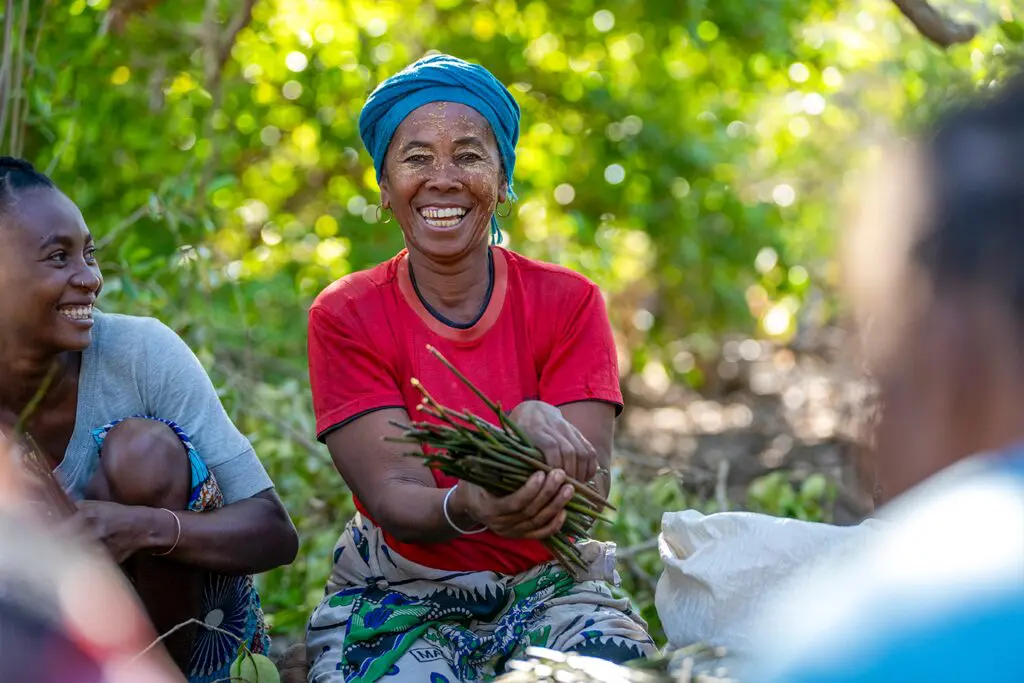
Madagascar’s new protected area decree marks a genuine, long-awaited win for community-led conservation. It’s proof that the model built patiently over decades by organizations like GERP and IMPACT Madagascar is valuable beyond the sites they exist within. The decree didn’t create the change people like Fanja and Ramalofary have lived through, but it solidified work already happening, and opened the door for more people to participate in and benefit from conserving the country’s natural resources.
But turning that recognition into lasting impact will take continued investment. It will take coordination between actors sharing a landscape; funding that allows the work to deepen and scale; and partnership that matches the scale of the responsibility these organizations have been given.
Somewhere in Madiromirafy-Ankirihitra, Ramalofary is checking a trail for snares. Fifteen years ago, he’d have been the one setting it. Today, he’s making sure the animals he once hunted get to grow old in a forest that means as much to them as it does to the communities around it.