At most marine science conferences, the people who live closest to the ocean – the fishers, seaweed farmers, and coastal communities – are rarely at the center of the story. The Western Indian Ocean Marine Science Association (WIOMSA) is the region’s central hub for marine science – a place where researchers, practitioners, and communities come together to understand and protect the Western Indian Ocean. Over the years, the Symposium has begun to open its doors wider to these voices. But at its 13th gathering in Mombasa, something different happened. Marine organizations and leaders from the communities they support in Kenya, Tanzania and Mozambique didn’t just attend, they helped design the conversation itself.
Through the Community Marine Leaders Hub, a special session co-created by a coalition of 13 locally led marine organizations, fishers and community leaders got the opportunity speak on the same platform as scientists and policymakers to share their knowledge, priorities and lived experience. These local people are not only storytellers; they are conservation practitioners – restoring mangroves, protecting reefs, collecting data and managing fisheries. Their traditional knowledge, when combined with modern science, is shaping new approaches that sustain both people and nature.
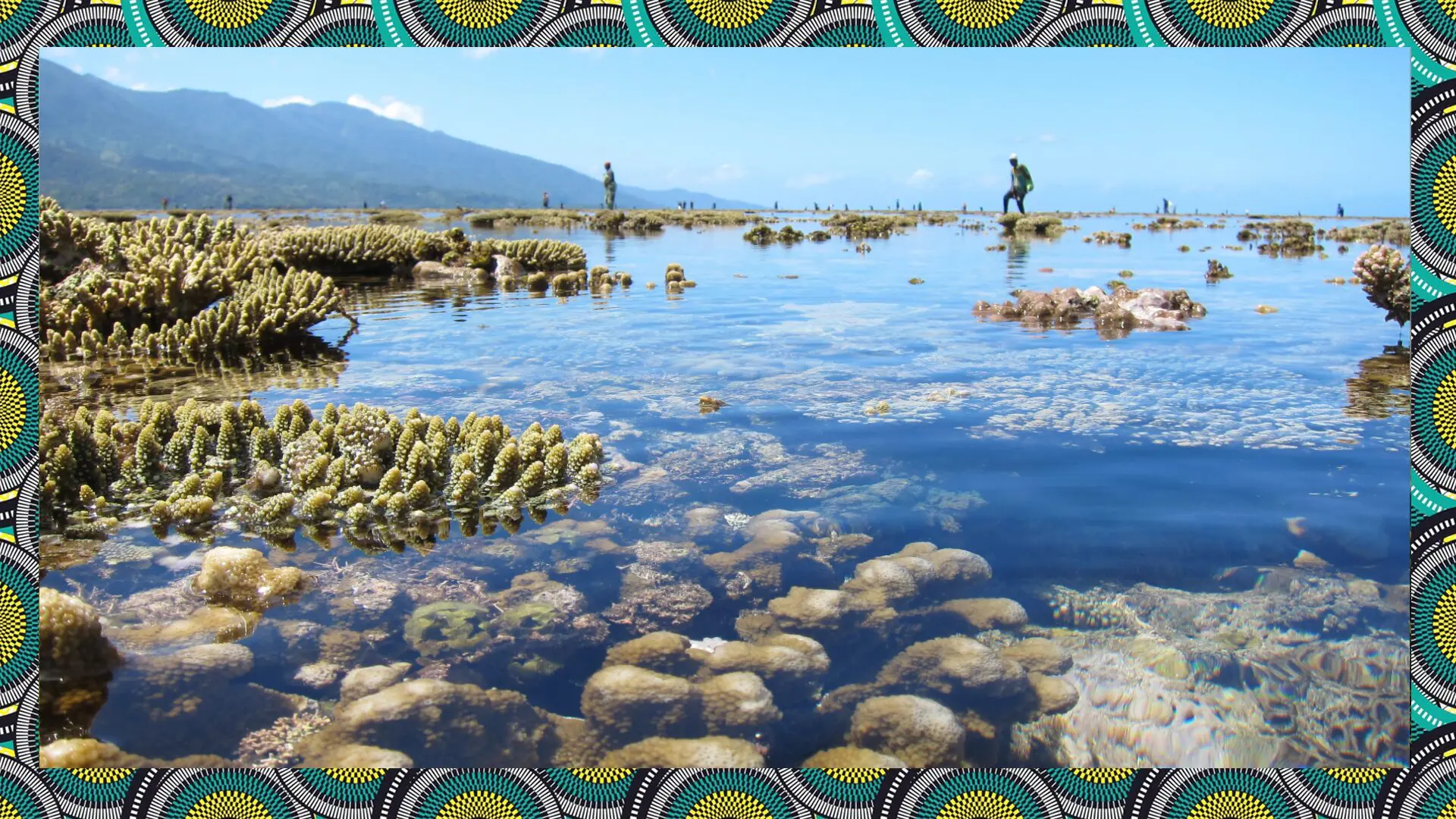
Stretching from Somalia to South Africa and across to Madagascar and the Indian Ocean Islands, the Western Indian Ocean (WIO) is one of the planet’s most vital – yet least recognized – marine regions. It hosts some of the world’s richest biodiversity: coral reefs teeming with over 2,200 fish species; more than 30 marine mammals; vast mangrove forests; and seagrass meadows that act as nurseries and store massive amounts of blue carbon. These ecosystems sustain more than 60 million people living along the coast who depend on the ocean for food, livelihoods, and cultural identity.
The region's waters generate an estimated US$20 billion in goods and services each year – from fisheries and tourism to carbon storage and coastal protection. Yet those same ecosystems have this year crossed an alarming tipping point. Coral bleaching, overfishing by commercial trawlers, and coastal development are accelerating, while climate change is warming the WIO faster than the global average. The result is declining fish stocks, eroding livelihoods, and growing vulnerability among the very communities that have safeguarded these waters for generations.
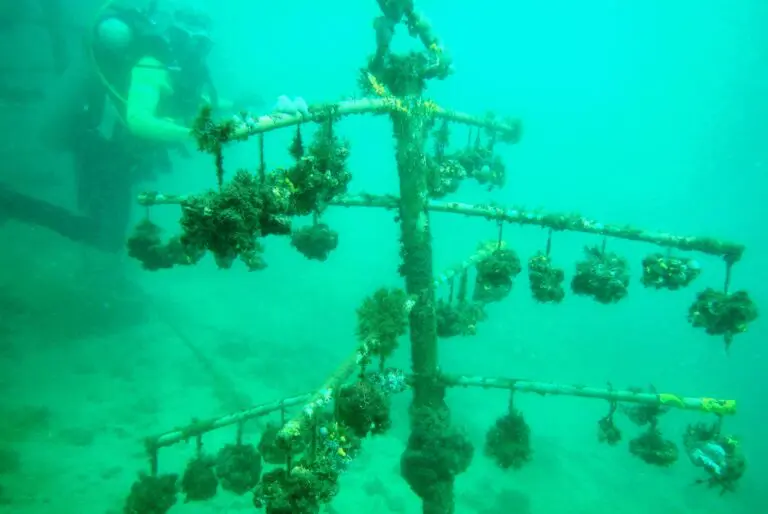
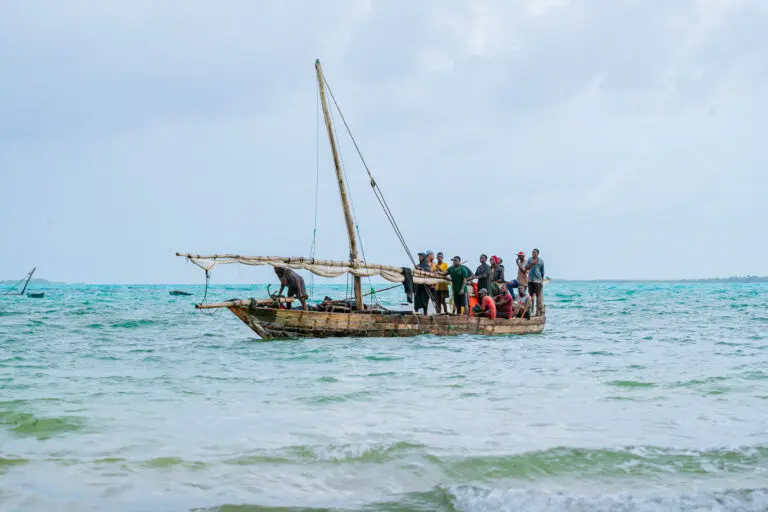
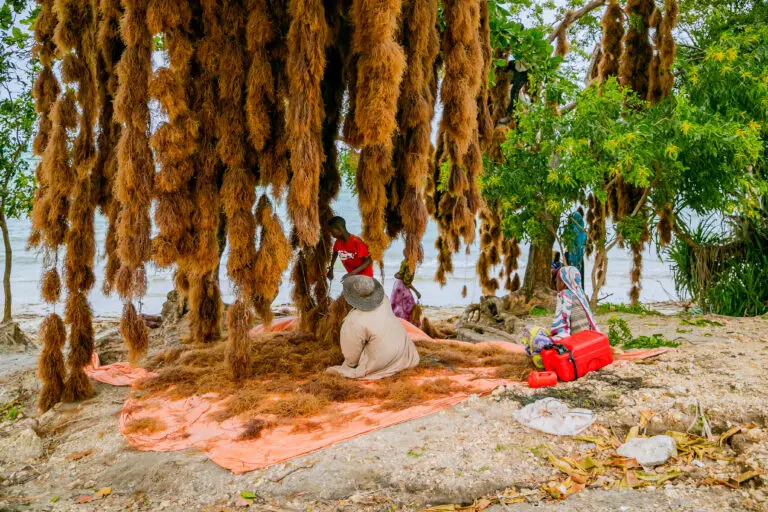
Despite this importance, marine conservation still receives a fraction of the attention and funding given to terrestrial ecosystems. Forests and wildlife reserves dominate global agendas, while the ocean – vast, complex, and largely invisible – is too often overlooked. But the WIO’s mangroves and seagrasses are among the planet’s most effective carbon sinks; its reefs protect millions from storms and flooding; and its fisheries feed entire nations. Protecting this ocean isn’t a niche environmental cause; it’s a social, economic and climate imperative.
That’s why the leadership emerging from the region is so powerful – and so urgent. Across the WIO, a new generation of local organizations is proving that when coastal communities lead, conservation becomes both a climate solution and a justice movement. Through collaboration rooted in trust and shared learning, they are restoring ecosystems, strengthening resilience, and securing a future for the western Indian ocean and the people who depend on it.
The idea for the Community Marine Leaders Hub was born within a trusted network, the African Marine Conservation Leadership Programme (AMCLP). Facilitated by Maliasili and supported by Blue Ventures, AMCLP equips senior marine conservation leaders with the skills to understand themselves, better support their teams, and catalyze impactful collaborations. Over the years, it has built a community bound by trust and shared purpose – exactly the foundation needed to drive collective action.
“The African Marine Conservation Leadership Program, and our other programs, are really about creating the kind of space where collaboration can actually take root,” said Richard Ndiga, “When leaders from different places come together and spend time learning, talking openly and unpacking challenges, something important happens – trust starts to build. Once you have trust, everything follows. People begin to see the bigger picture, understand each others’ realities, and recognize where they align. That’s when you start to see real joint problem-solving and genuine collective action.”
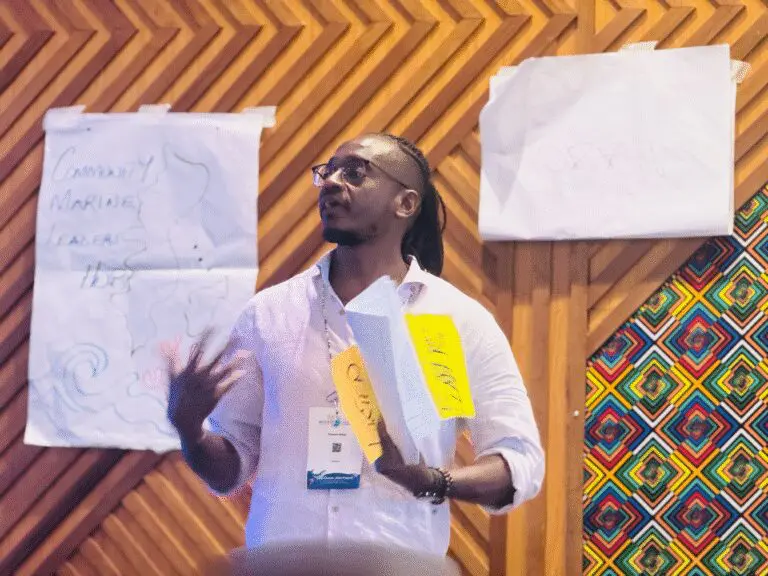
When AMCLP alumni and other marine organizations met online in January 2025, they recognized that WIOMSA, the region’s most influential marine platform, had long been a space where science dominated the conversation. While initiatives at previous symposiums had begun to incorporate community perspectives, this network saw an opportunity to go further and create a space led by communities themselves.
That shared vision came alive a month later at a planning workshop in Diani, where AMCLP alumni and partners – Mwambao, COMRED, LaMCOT, Action For Ocean, Reefolution, Bahari Hai, and others – as well as Kenyan fishing community leaders, gathered to design how to shift power in practice.
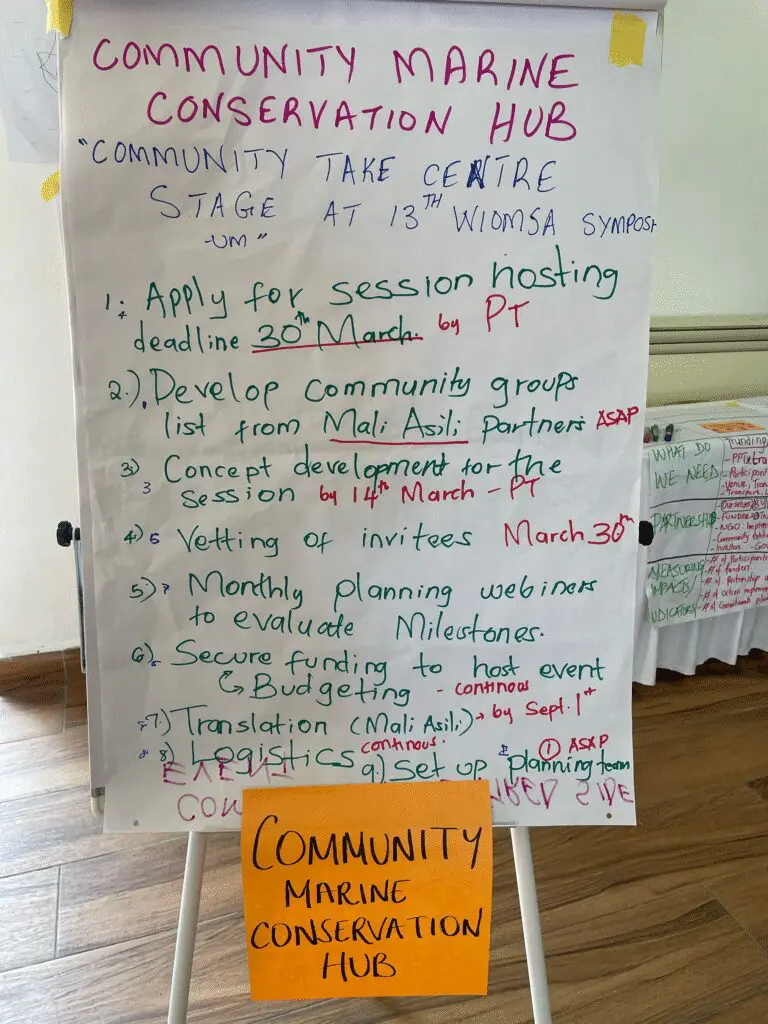
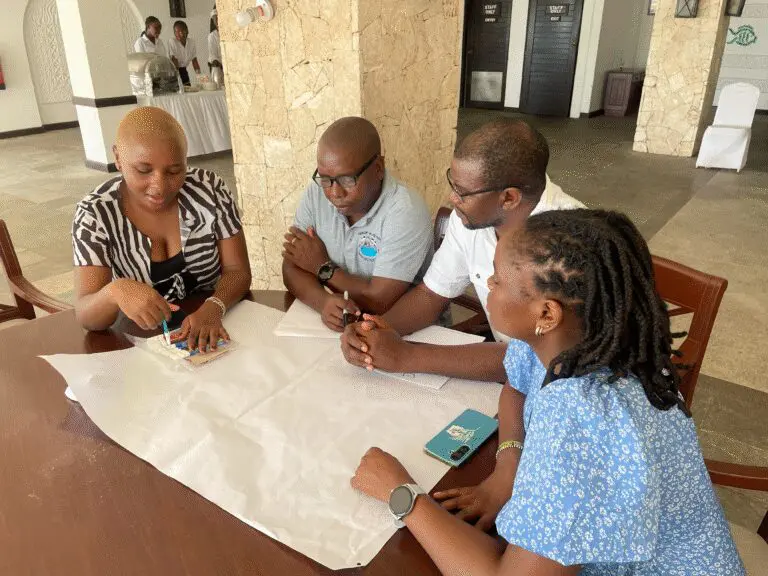
Sticky notes covered the walls as they mapped ideas: creative storytelling, youth engagement, fisher-led science, and community data sharing. What emerged was a bold plan to make WIOMSA 2025 more inclusive, participatory, and grounded in community realities.
Out of that process came three joint initiatives:
“Collective impact means documenting Indigenous knowledge and complementing it with modern science to come up with agreed solutions for better fisheries and sustainable conservation,” explained Gola Mohamed Juma. His work at Mwambao Coastal Community Network supports more than 50 coastal communities across Zanzibar and mainland Tanzania, representing over 25,000 people who manage reefs, fisheries and mangroves.
More than just logistics, these collaborations were a testament to what trust can build. As one partner reflected, “This was a great idea, carving out organizations with like-minded goals to come together. It should be a permanent feature of WIOMSA Symposiums.”
Marine conservation organizations across the WIO are reimagining what ocean stewardship looks like by centering local people in their work. In Tanzania, Action for Ocean has protected 8,000 hectares of mangroves under long-term conservation, combining blue carbon initiatives with livelihoods that benefit nearly 10,000 people. Sea Sense has protected 22,000 turtle eggs and guided 16,000 hatchlings to sea, all while restoring mangroves and turning former poachers into conservation champions.
In Kenya’s Kilifi County, Bahari Hai is inspiring a new generation of marine conservationists through youth-led conservation and education programs that have reached over 2,000 students and coastal youth. Meanwhile in Mozambique, AMA (Associação do Meio Ambiente) is restoring mangroves and seagrass meadows that protect coastlines, store carbon and sustain artisanal fishers, proving that caring for the ocean and improving livelihoods go hand-in-hand.

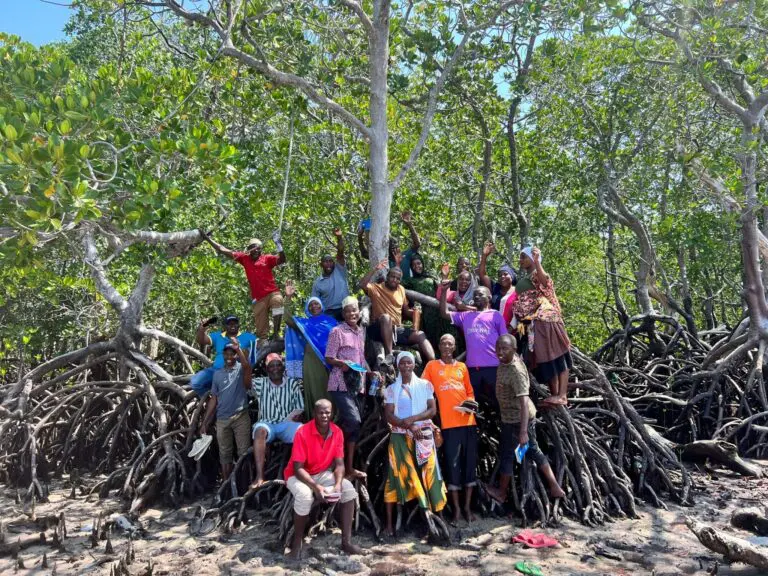

For the community leaders who travelled to Mombasa, the symposium wasn’t just another meeting – it was a moment of recognition.
“When I finished high school, my uncle, who was in the fish business, brought me into the trade,” says Ahmad Omar Said, secretary of the Mayungu Beach Management Unit (BMU) in Kenya’s Kwale county. “I became engaged not only as a fisher but also with a turtle conservation group. Now I work to bring in more community members.”
From Lamu, Ibrahim Masuo, the chair of Bandari BMU that works closely with LaMCOT, described what’s at stake. “As a crab fisher, the mangrove habitats we rely on have deteriorated due to logging. Many fishers face daily difficulties accessing fishing grounds with lower catches.”
Yet his community is leading the response. “We rely on Indigenous knowledge, which is also science,” Masuo said. “We sensitise fellow crab fishers to care for the burrows and rebuild them for crabs to recolonize.”
Their words carry the power of experience, proving that conservation is not something done for communities, but with them. “Traditional knowledge is also valuable,” Ahmad added. “We have to respect and apply it if we want to be successful in conservation.”
Women are also at the forefront of this shift, shaping a more resilient and inclusive approach. Joan Momanyi, Managing Director of CORDIO East Africa and a Lead Up alumna, believes that women’s leadership is the key to lasting change.
“Communities have always been the custodians of resources. Modern science should complement Indigenous knowledge because, in many instances, they align. The Community Marine Leaders Hub is facilitating this connection.”
She added, “When women are involved, conservation becomes inclusive – and when inclusivity is a value, trust is achieved because all voices are on the table.”
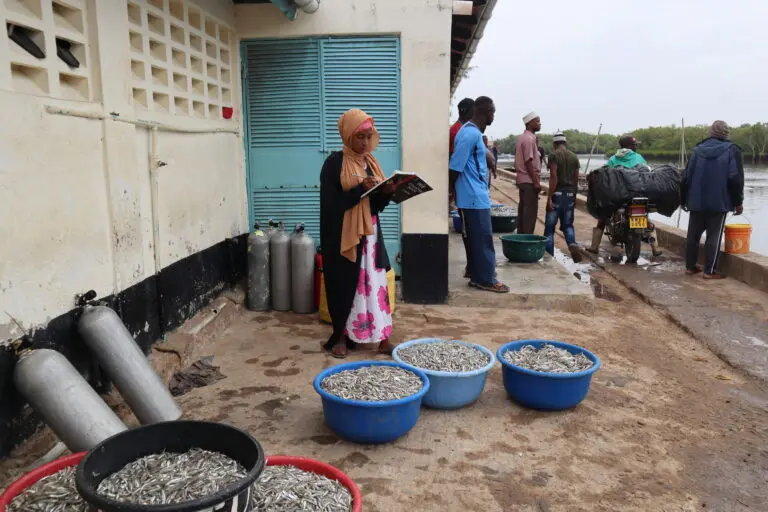
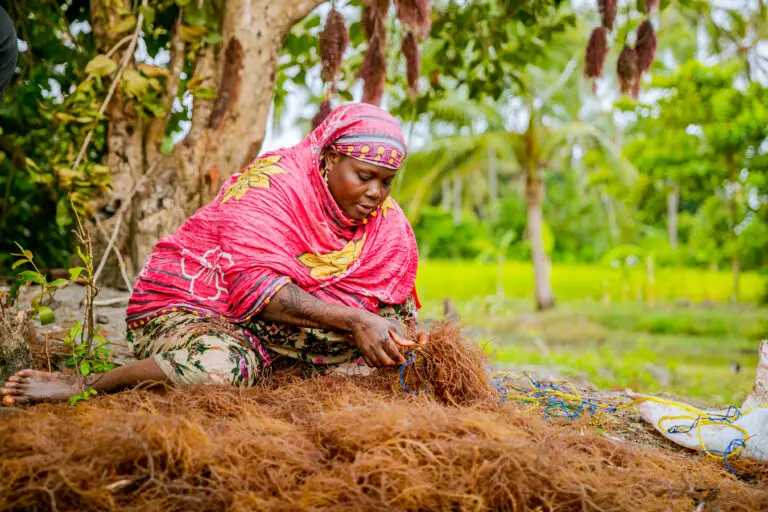
Gender equality is shifting slowly in many places along the seascape. In the Comoros Islands, Women are gaining influence. Dahari’s fisher associations have seen women rise to leadership, making up 70% of local resource managers and community monitors. In Kenya, COMRED’s eco-credit scheme is giving women access to finance and opportunity – issuing over 1,700 micro-loans and providing training for fish processing and trading to grow marine-based businesses sustainably.
By October, what began as a shared idea had become a movement. The Community Marine Leaders Hub turned into one of WIOMSA’s most inspiring sessions – a vibrant day-long experience where fishers, youth and community representatives took the stage to share lived experiences, lessons and hopes for the ocean’s future.
Marine organizations presented side by side, amplifying each other’s work. Over 70 leaders and allies came together for a networking cocktail that broke silos and forged new relationships. “It ensured inclusivity because community members were engaged and our voices were heard,” said one participant.
The Hub itself was designed as a learning space, not a panel – structured around storytelling, dialogue and creative co-design rather than formal presentations. Fishers shared how traditional knowledge guided their practices; poetry, art and theatre reflected community resilience; and scientists joined group discussions to co-create ideas for inclusive conservation models. Each interaction built understanding, showing that when knowledge flows in all directions, stronger solutions emerge.
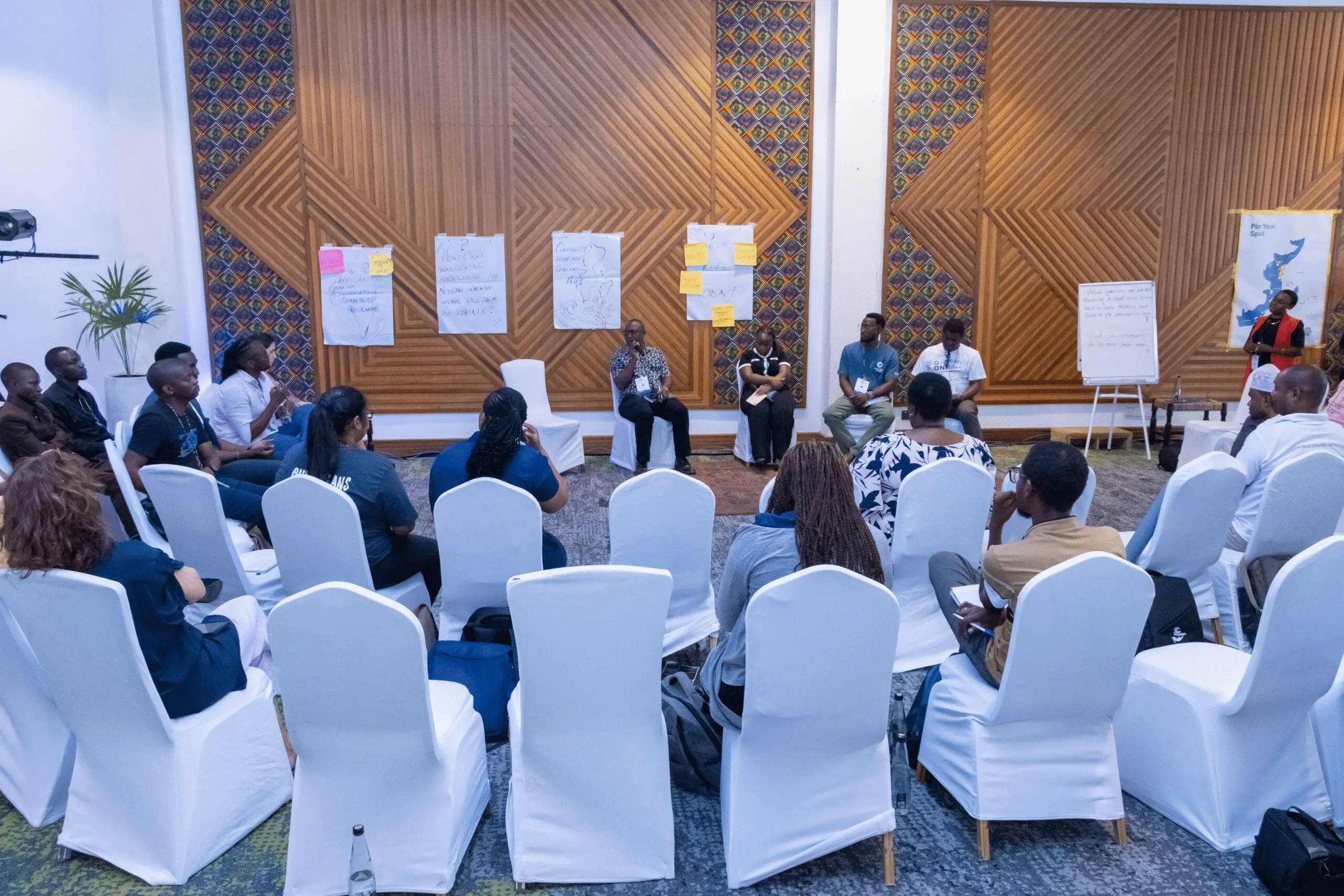
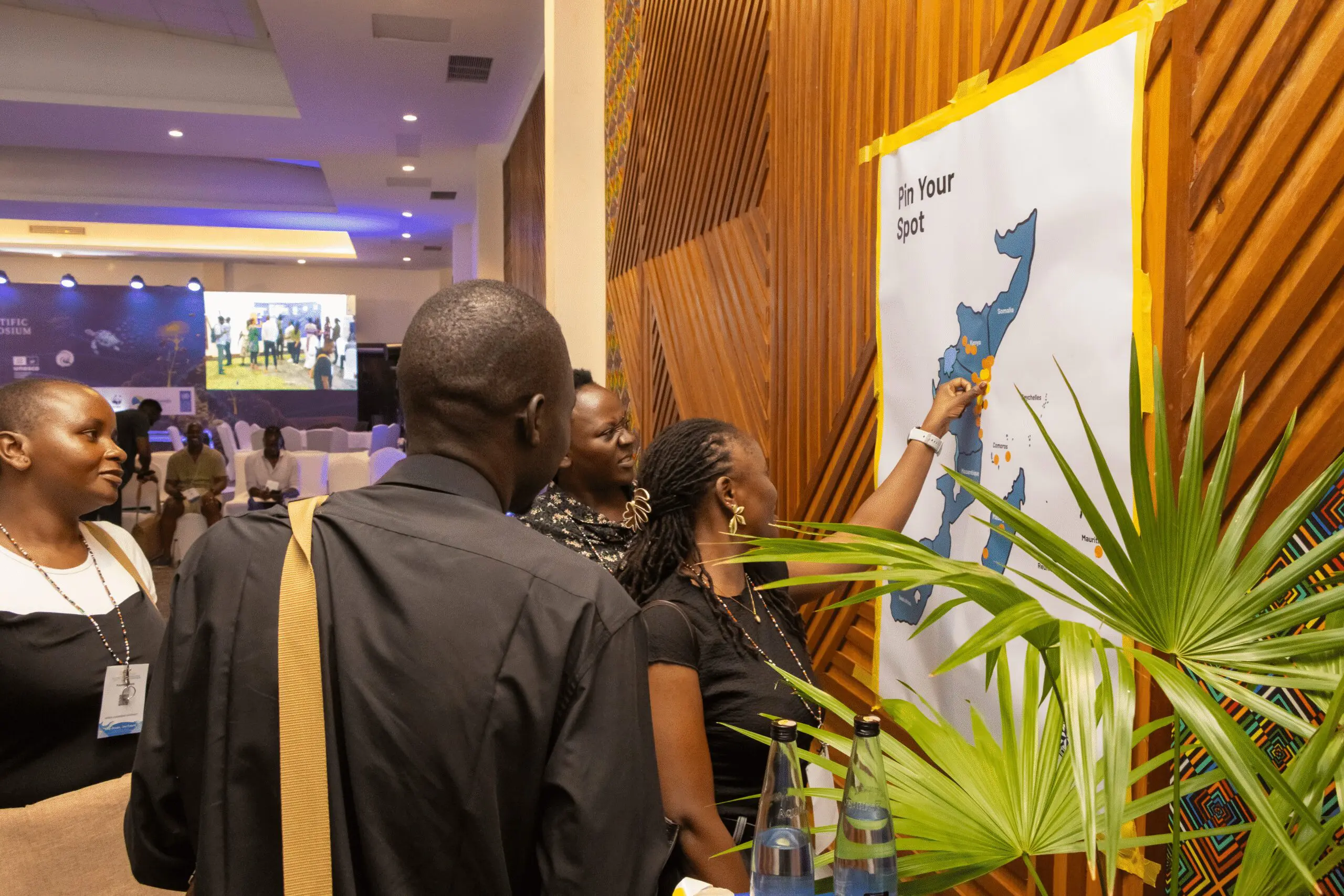


Importantly, the Hub connected local action to global frameworks – including the Nairobi Convention, African Blue Economy Strategy and the Post-2020 Global Biodiversity Framework – positioning community leadership as central to regional governance and climate goals. Among the outcomes were calls to formalize community participation in marine governance, ensure that women and youth have decision-making roles, and establish a regional financing mechanism to channel more resources directly to community-led conservation.
The success of the day also reflects WIOMSA’s growing commitment to inclusion – recognizing that the future of marine science depends on meaningful collaboration with the people live and work closest to the ocean. By opening its doors to wider community leadership, WIOMSA has set an important precedent for how scientific convenings can evolve into platforms for shared learning and collective action.
For many, this collaboration illustrated something bigger: when leaders convene around shared purpose, they can move entire systems. The trust built through AMCLP became the foundation for a new model of collective impact, one that will continue shaping marine conservation in the region.
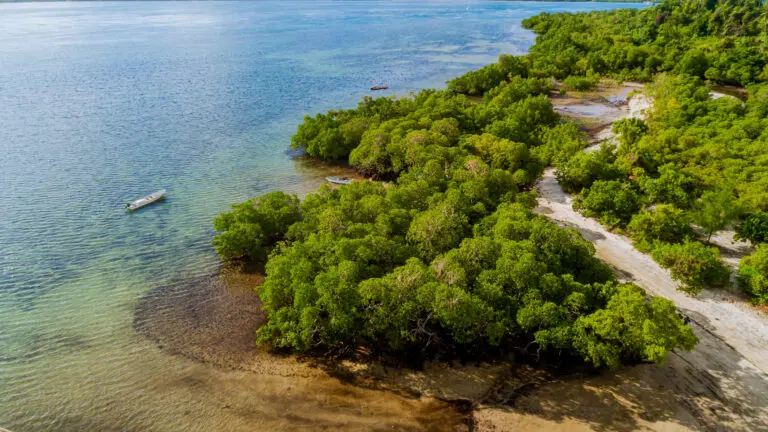
The Journey to WIOMSA doesn’t end in Mombasa – it’s only the beginning. Energized by the success of this year, the same partnerships that made this moment possible are already thinking about what’s next, including a Marine Leaders Network that will sustain collaboration and joint action to ensure a powerful community presence at regional events.
From youth groups to fisher associations, women’s cooperatives to blue-carbon projects, these organizations together form a living network of local leadership. Collectively, they support the protection and co-management of more than 200,000 hectares of reefs, mangroves and seagrass beds; engage tens of thousands of coastal residents; and are pioneering new pathways for sustainable livelihoods, education and climate resilience.

“The health of our ocean is the link that connects us as a region, and it’s the strength of our communities that keeps that link unbroken. When we connect people, align our policies, and share our data, we move beyond conservation to collective stewardship,” said Catherine Nchimbi, Senior Portfolio Manager at Malasili. “A united ocean community doesn’t just protect the sea; it secures our shared future. WIOMSA created a space where we were reminded that without the community, the ocean cannot thrive.”
This is the future of marine conservation: communities leading, science listening, and the ocean thriving – not because of one organization, but because of all of them, working together.