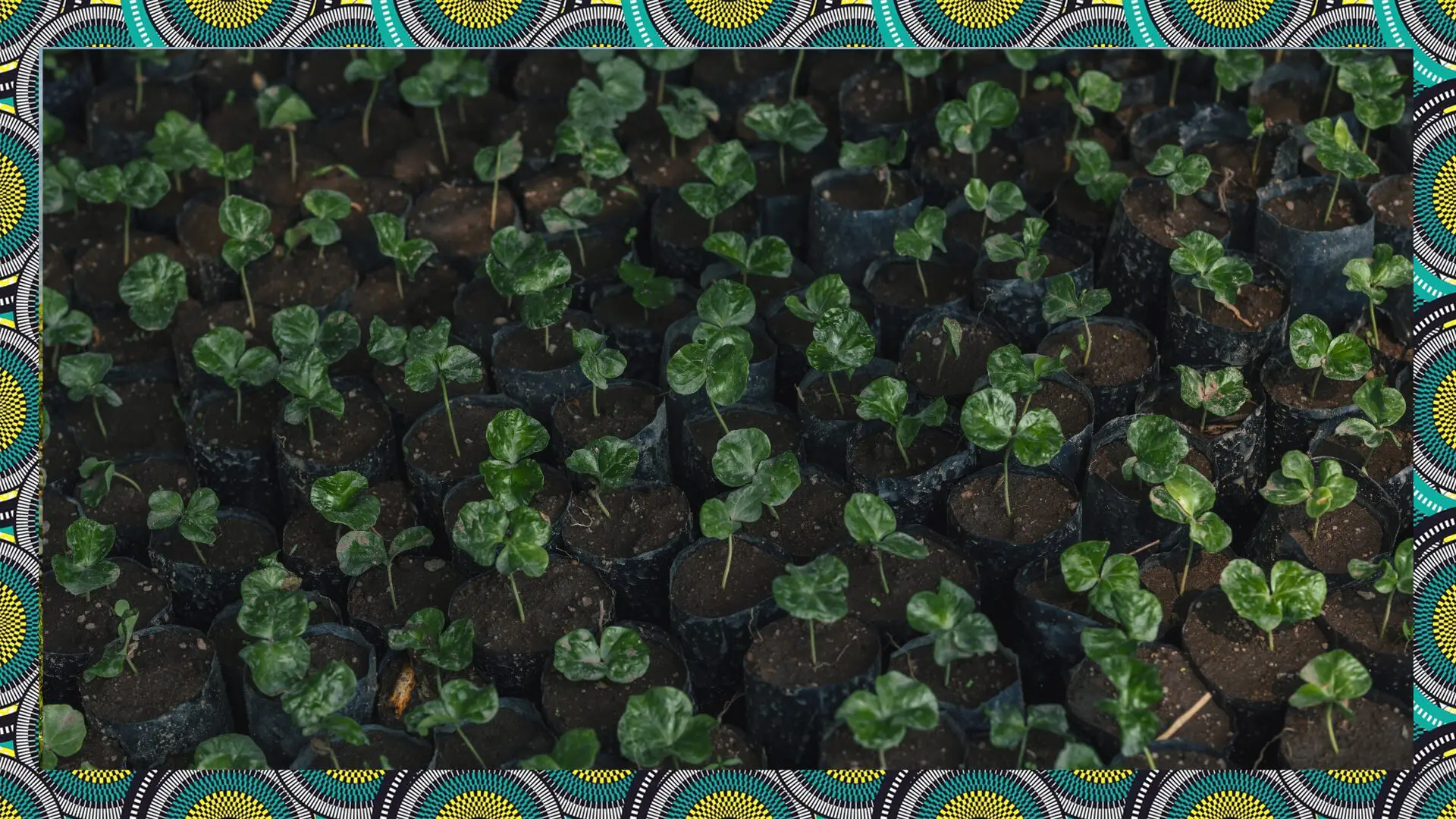
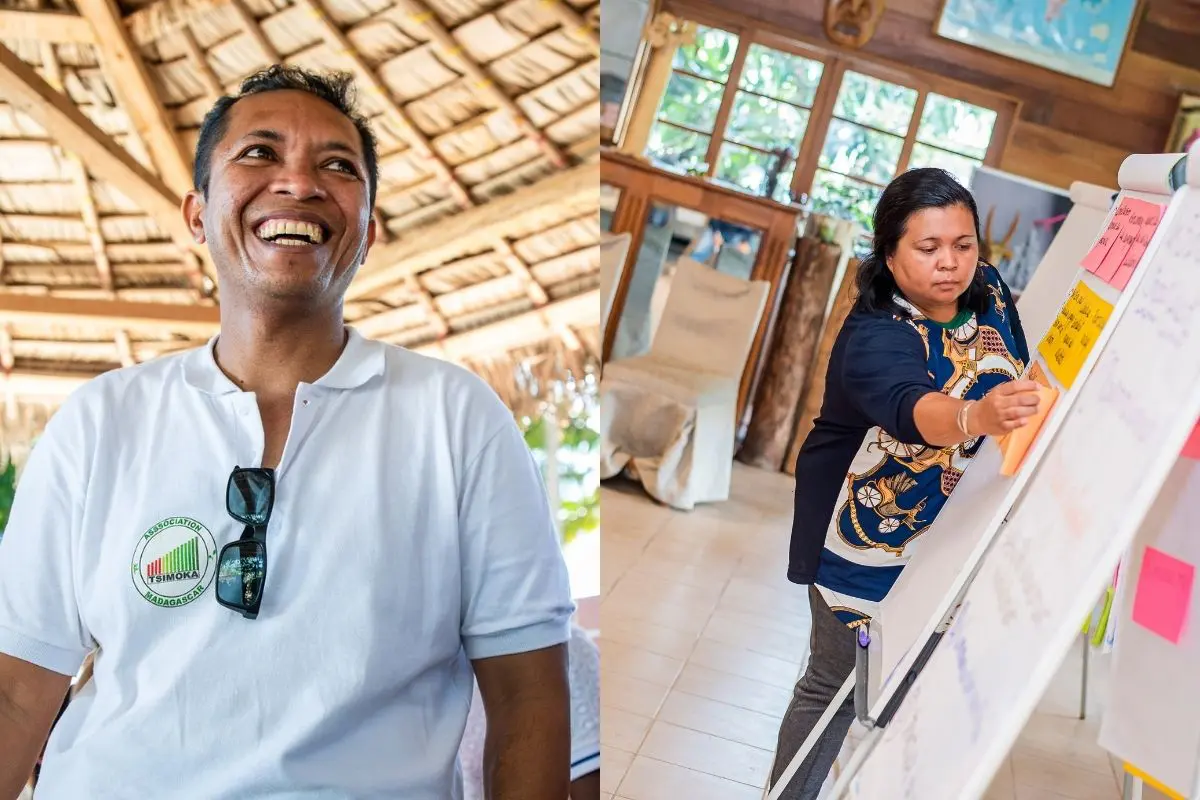
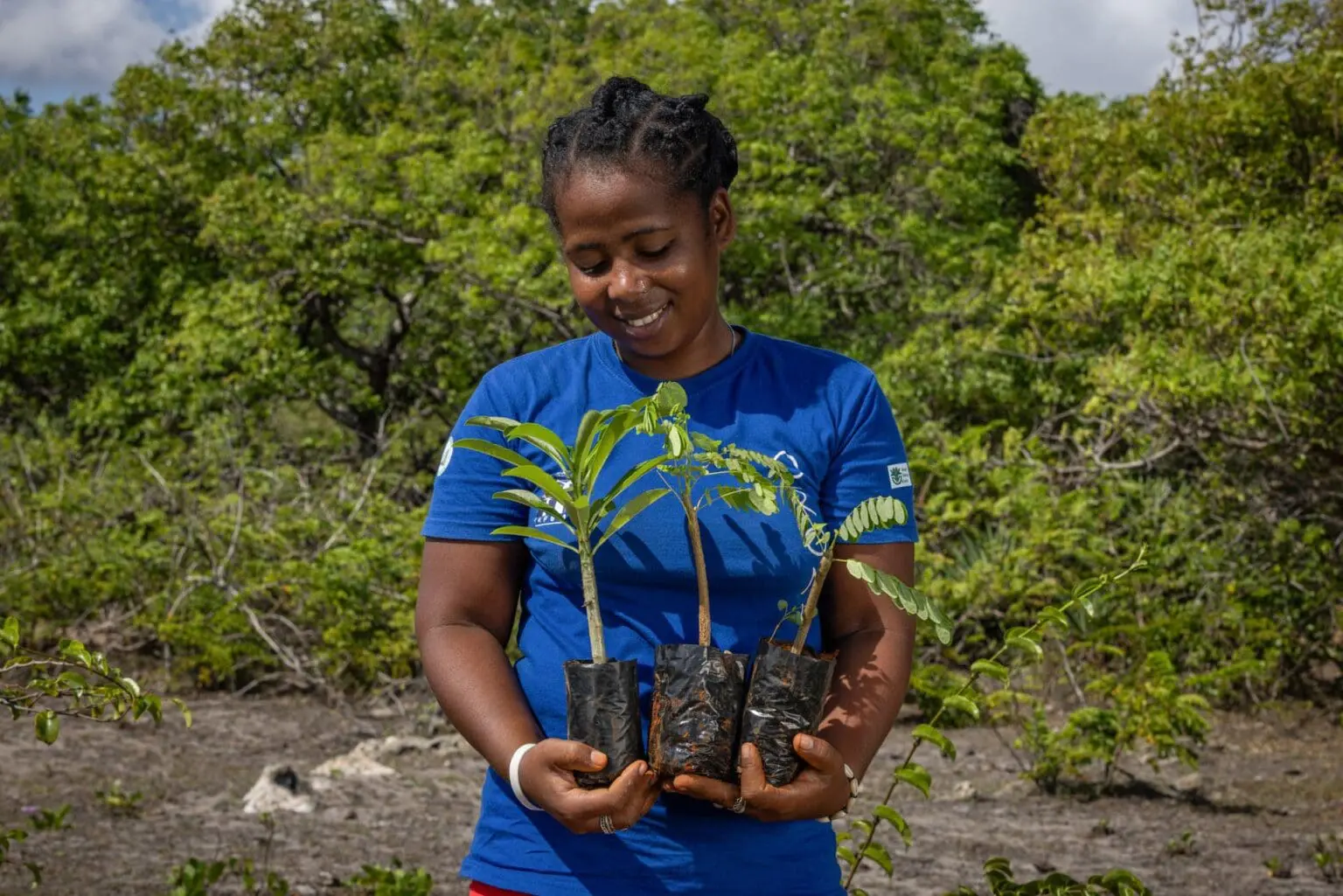
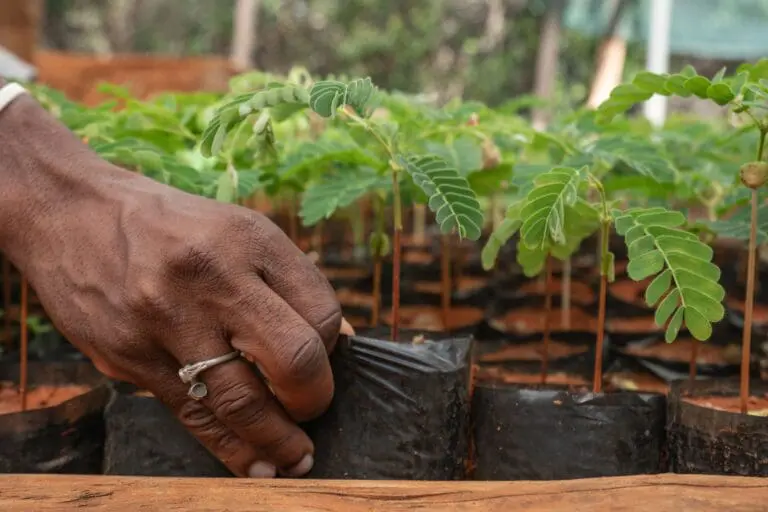
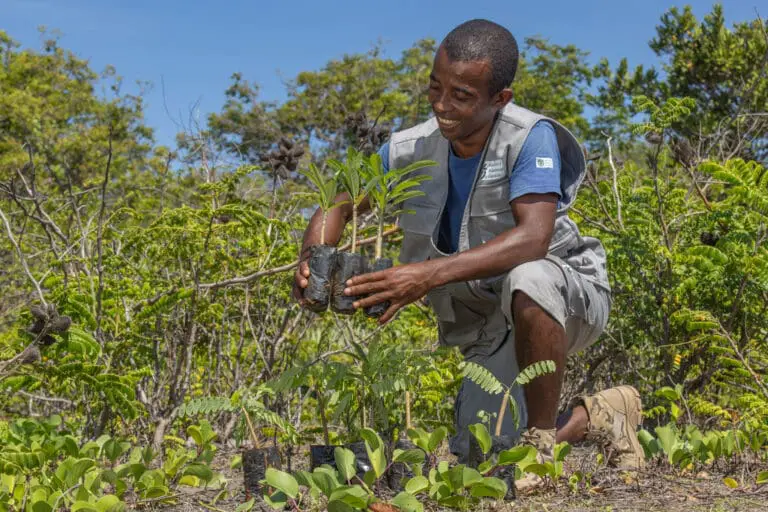
In the last 10 years, we have forged powerful partnerships that have enabled us to deliver shared agroforestry training across four protected areas, reaching over 100 farmers with techniques that not only improve income but also restore degraded lands. One of our biggest successes last year was working with MV to secure funding for a joint proposal to conserve threatened tree species in northern Madagascar. The model is simple: we share our tested approach to dynamic agroforestry and forest restoration, while our local partners implement and adapt it to their specific contexts. We provide technical guidance and monitoring support.
Our partnerships are built not only on technical knowledge but also on shared accountability and community engagement. Through this collaboration, the community receives support, including agroforestry techniques, plants, and inputs for implementing the approach, which has made them feel very confident in the Protected Area Manager and motivates them to get involved in any conservation activity.
We don’t just work together; we plan together, we learn together, and we celebrate impact together. These relationships have helped us scale our work across regions that we could never have reached on our own.
Even before MELP, many of us knew each other’s work. We admired the dedication each of us brought to our respective landscapes. However, our collaborations were often informal – occasional exchanges, shared challenges, but not deeply structured partnerships. MELP provided a space for these relationships to transform. Through workshops, peer learning, and reflective exercises, we built deeper trust, stronger communication, and a shared sense of purpose.
The objective of MELP wasn’t to teach us what we already knew about conservation; it was about helping us build the leadership, relational, and collaborative capacities needed to scale our collective impact. It showed us that the trust and solidarity we needed to drive change were already there – we just needed to nurture them intentionally. As a result, collaborations that once seemed opportunistic or short-term have grown into strategic alliances rooted in shared goals and mutual support.
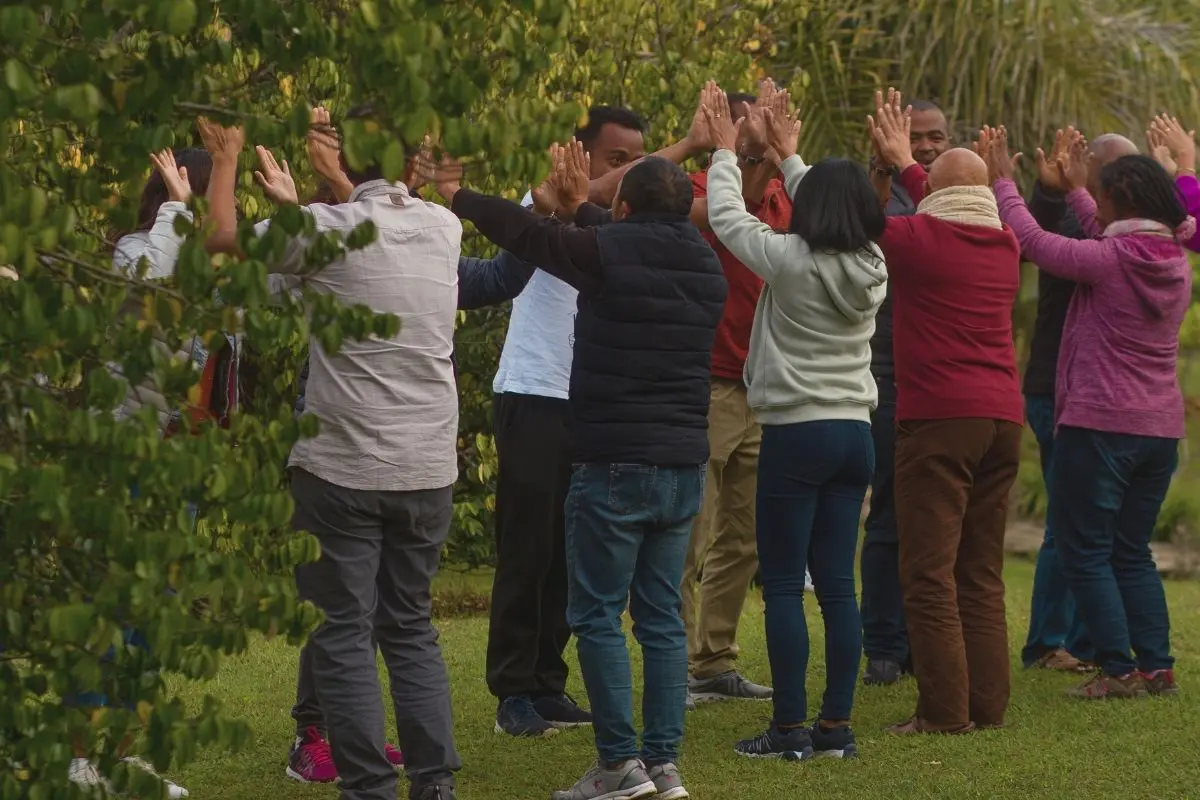
We realized that when Malagasy conservation leaders are brought into the same room – physically or virtually – something powerful happens. We share a common language of community engagement, land stewardship, and resilience. We share similar struggles: whether it’s limited funding, challenging political environments, or the threat of external actors designing projects without local input. And in those convenings, we saw we were not alone. That sense of solidarity has become the foundation for new, bold collaborations.
The trust built through our deeper connections has allowed us to move beyond short-term projects to long-term planning. It has helped us advocate jointly for community land rights, design regionally adapted agroforestry models, and demonstrate that Malagasy organizations have both the expertise and the will to lead large-scale conservation efforts.
Some funders and global conservation actors still question the scalability or reliability of partnerships like ours. There’s a tendency to see local collaboration as informal or lacking structure. But what may appear to be a lack of structure is actually a reflection of informal yet highly effective networks, grounded in relationships and mutual respect. The evidence speaks for itself: collaborations that have deepened through convenings have secured funding, scaled impact, and improved biodiversity outcomes. These are not surface-level alliances; they’re rooted in shared struggle and shared vision.
Too often, local organizations are viewed as implementers rather than co-creators of solutions. This mindset underestimates both the capacity and the innovation coming from the ground. Our collaborations have helped shift that narrative by strengthening our confidence, credibility, and ability to articulate our collective impact.
If Madagascar’s conservation movement is to thrive, we must continue to invest in relationships, especially those led by local actors. We need more spaces to convene honestly and strategically, as well as greater recognition of the leadership that already exists within our communities. Tsimoka was once young and unknown, but by working with other Malagasy organizations, learning from them, and committing to a shared vision, we have become stronger and more ambitious. Now we're being seen, and we're ready to grow our impact.
We need more gatherings that bring grassroots organizations together, not just for networking, but for co-designing the future of conservation in Madagascar. We need flexible funding that allows partnerships to evolve organically. And we need to tell these stories – of trust, of shared ambition, and locally led innovation – so that the world understands what true impact looks like.
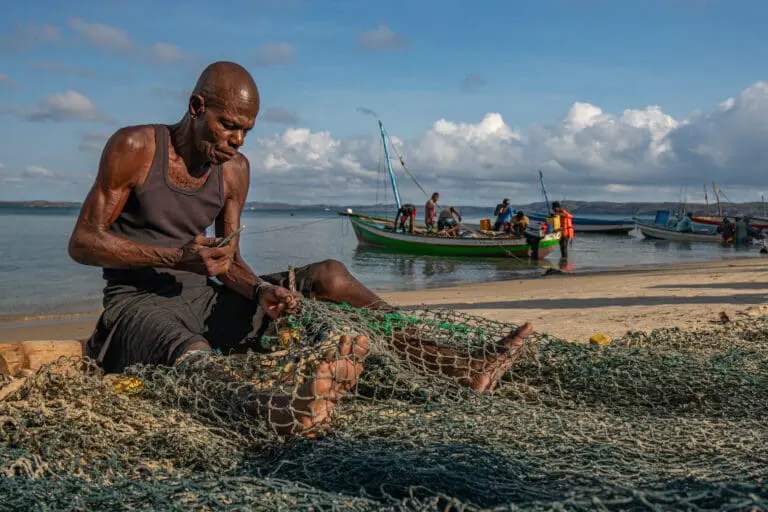
Madagascar's extraordinary biodiversity, including its forests, is vital not only to the island but to the health of our planet. Protecting it demands the leadership of the communities who know these landscapes best and who live their futures alongside them. By investing in local collaboration and leadership, we invest in lasting conservation solutions where they matter most.
Jeremie Razafitsalama is the President of Association Tsimoka. Josia Razafindramanana is a Senior Portfolio Manager for Maliasili in Madagascar.