Revitalizando o Movimento de Conservação Comunitária do Zimbabué

Página Inicial > Vozes de Impacto > Destaque do Parceiro > Revitalizando o Movimento de Conservação Comunitária do Zimbabué
As raízes da conservação liderada pelas comunidades em África são profundas e começam no Zimbabué. Muito antes da conservação comunitária globalmente reconhecida na Namíbia e no Quénia, o Zimbabué pioneirou a conservação pelas comunidades e para as comunidades. O Communal Areas Management Programme for Indigenous Resources (CAMPFIRE), lançado na década de 1980, foi um dos primeiros esforços em larga escala em África para dar às comunidades locais uma participação financeira na conservação. Através das receitas provenientes de safaris de caça, ecoturismo e do uso controlado dos recursos naturais, os habitantes rurais do Zimbabué puderam ver os benefícios de proteger a vida selvagem, apesar dos inconvenientes que isso causava. No seu auge, o CAMPFIRE gerava milhões de dólares anualmente, permitindo que as comunidades construíssem escolas, clínicas e outras infraestruturas com os lucros da conservação. O modelo foi saudado como uma história de sucesso global, inspirando países em todo o mundo e em toda a África.

Os Conselhos Distritais Rurais (RDCs) desempenharam um papel central neste modelo. Como detentores da “autoridade apropriada” ao abrigo de uma Emenda à Lei dos Parques e Vida Selvagem, o governo concedeu aos RDCs “direitos de uso” para gerir e beneficiar da vida selvagem nas terras comunitárias em nome das comunidades que representam. Isso significava que os RDCs podiam tomar decisões sobre como a vida selvagem era utilizada e assegurar que as comunidades recebessem uma parte dos rendimentos de atividades como turismo ou caça. Muitos RDCs utilizaram esta autoridade para adotar o modelo CAMPFIRE, que liga a conservação ao desenvolvimento rural. Esta mudança ajudou a aumentar a participação comunitária e a reduzir a caça furtiva nos primeiros anos. Alguns distritos pioneiros, como Mbire, Mahenya e Binga, alcançaram grande sucesso nos primeiros tempos. No entanto, com o passar do tempo, surgiram problemas à medida que algumas comunidades procuravam ter mais controlo sobre a forma como o dinheiro era utilizado. 

No final da década de 1990, tornou-se evidente que os benefícios do impacto do CAMPFIRE eram distribuídos de forma desigual nas áreas abrangidas pelo programa. Algumas comunidades prosperaram, enquanto outras receberam poucos benefícios. Embora o programa visasse dar às comunidades locais mais controlo sobre os seus recursos, o seu poder era limitado por questões de governação que afetavam a gestão dos fundos gerados pelo programa. Na década de 2000, desafios políticos e económicos levaram a um declínio do financiamento e do impulso para os esforços de conservação. Com menos recursos e poucos incentivos, muitas comunidades afastaram-se da proteção da vida selvagem, e os conflitos com os animais aumentaram. Pessoas que antes impulsionavam os esforços de conservação passaram a enfrentar dificuldades em coexistir com a mesma vida selvagem que antes procuravam proteger, à medida que os custos de viver junto da fauna aumentavam rapidamente, enquanto os benefícios diminuíam.

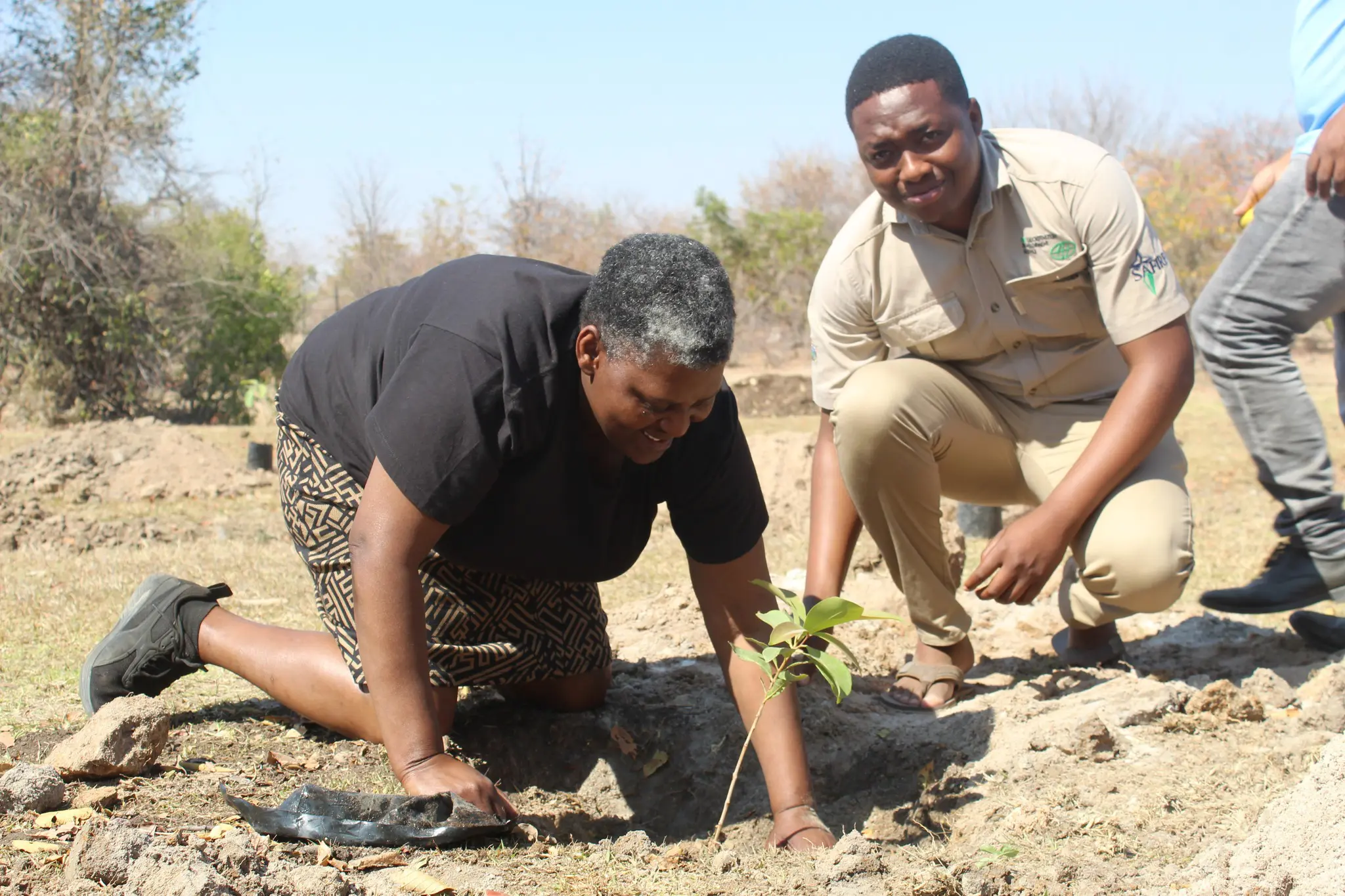
Mas agora, contra todas as probabilidades, as comunidades e organizações de base do Zimbabué estão a reconquistar o seu lugar no centro da conservação. Através de organizações como Southern Alliance for Indigenous Resources (SAFIRE), Organização de Direito Ambiental do Zimbabué (ZELO) (formerly Zimbabwe Environmental Law Association), and Ação para a Conservação da Vida Selvagem (WCA), a new movement is emerging that prioritizes protecting both people and nature, fights for environmental, economic, social, and cultural rights, and creates real economic opportunities in conservation.

Linking Livelihoods and Conservation

In 1994, with CAMPFIRE at its peak, SAFIRE emerged with a bold new vision: what if conservation wasn’t just about saving wildlife, but also about sustainable livelihoods? Instead of relying solely on safari hunting and tourism, SAFIRE promoted a different approach: one centred on non-timber forest products and agroforestry.
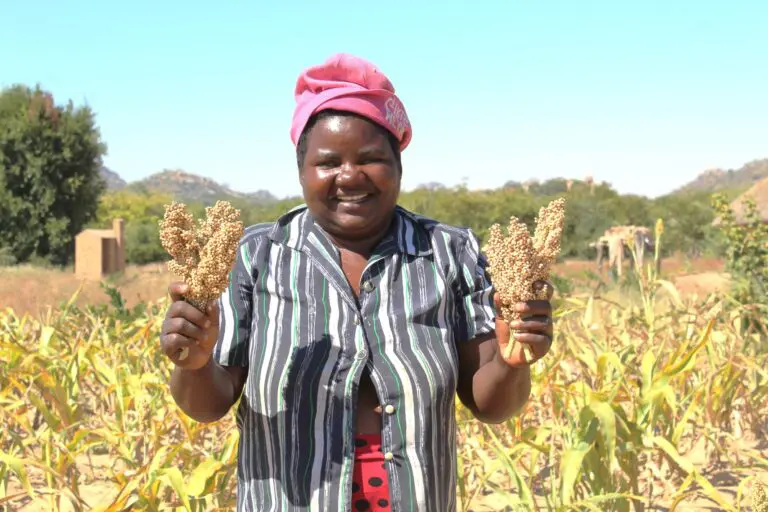
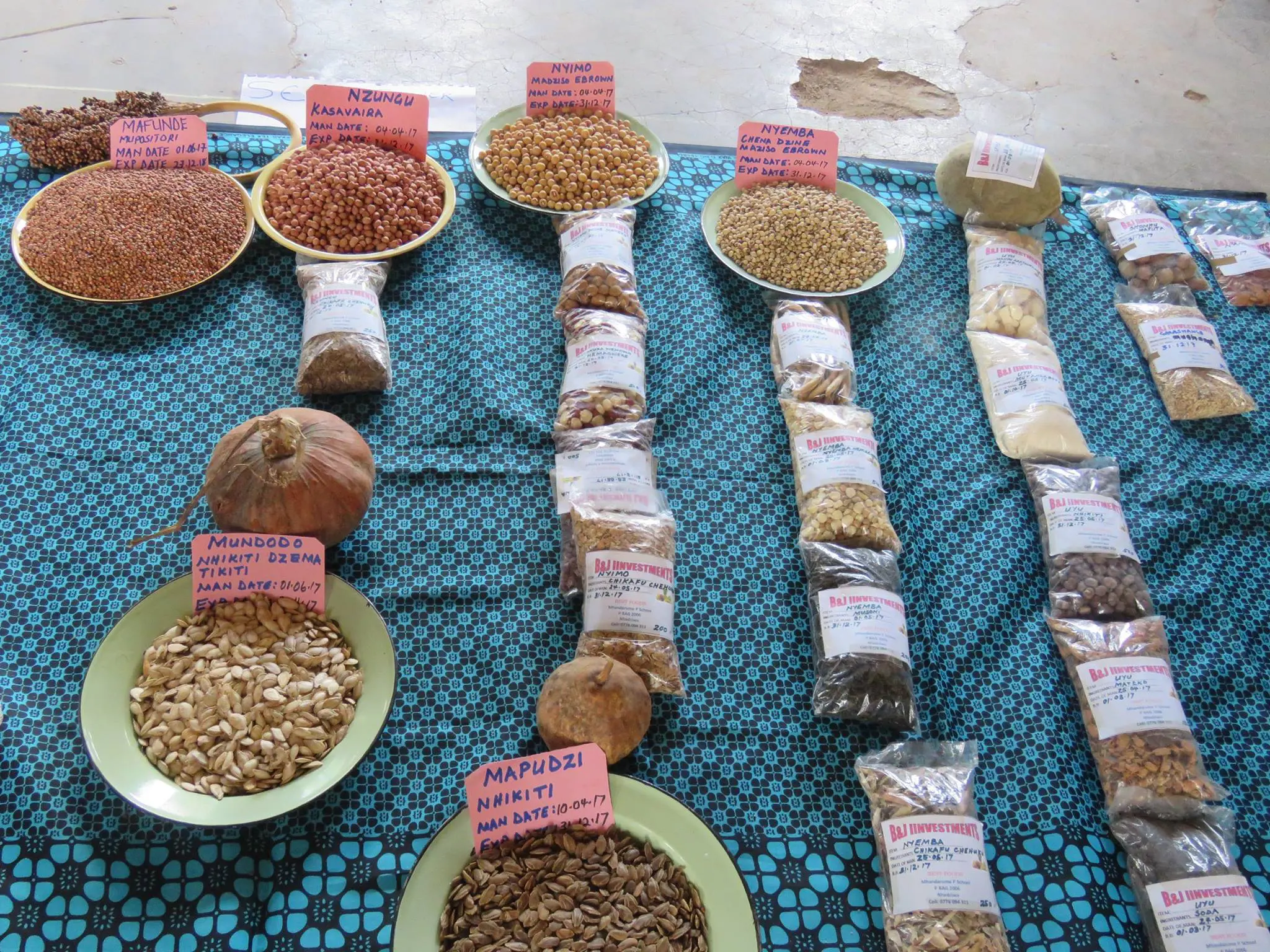
By helping communities earn a living from wild resources without depleting them, SAFIRE created a new kind of conservation economy. People learned to sustainably harvest baobab fruit, honey, marula nuts, herbal teas, and medicinal plants, gaining access to ethical markets that paid fair prices for their goods.

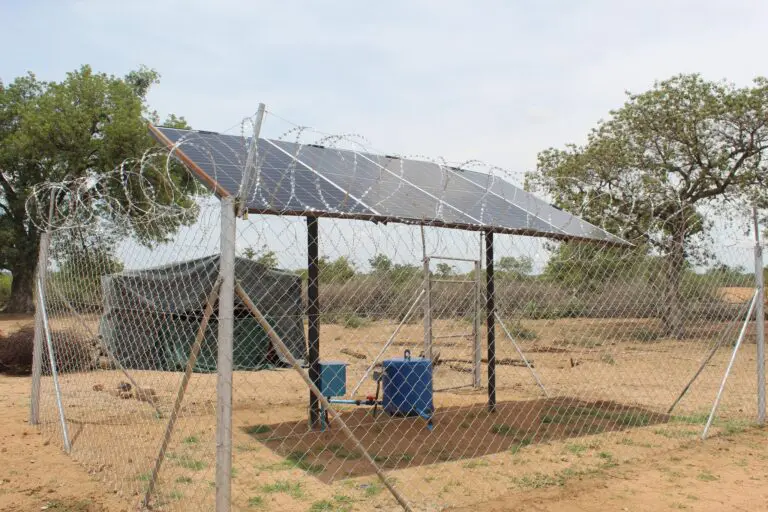
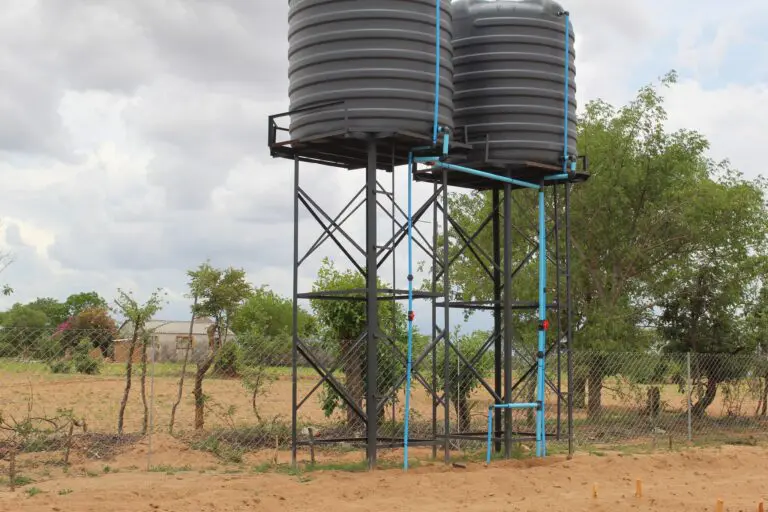
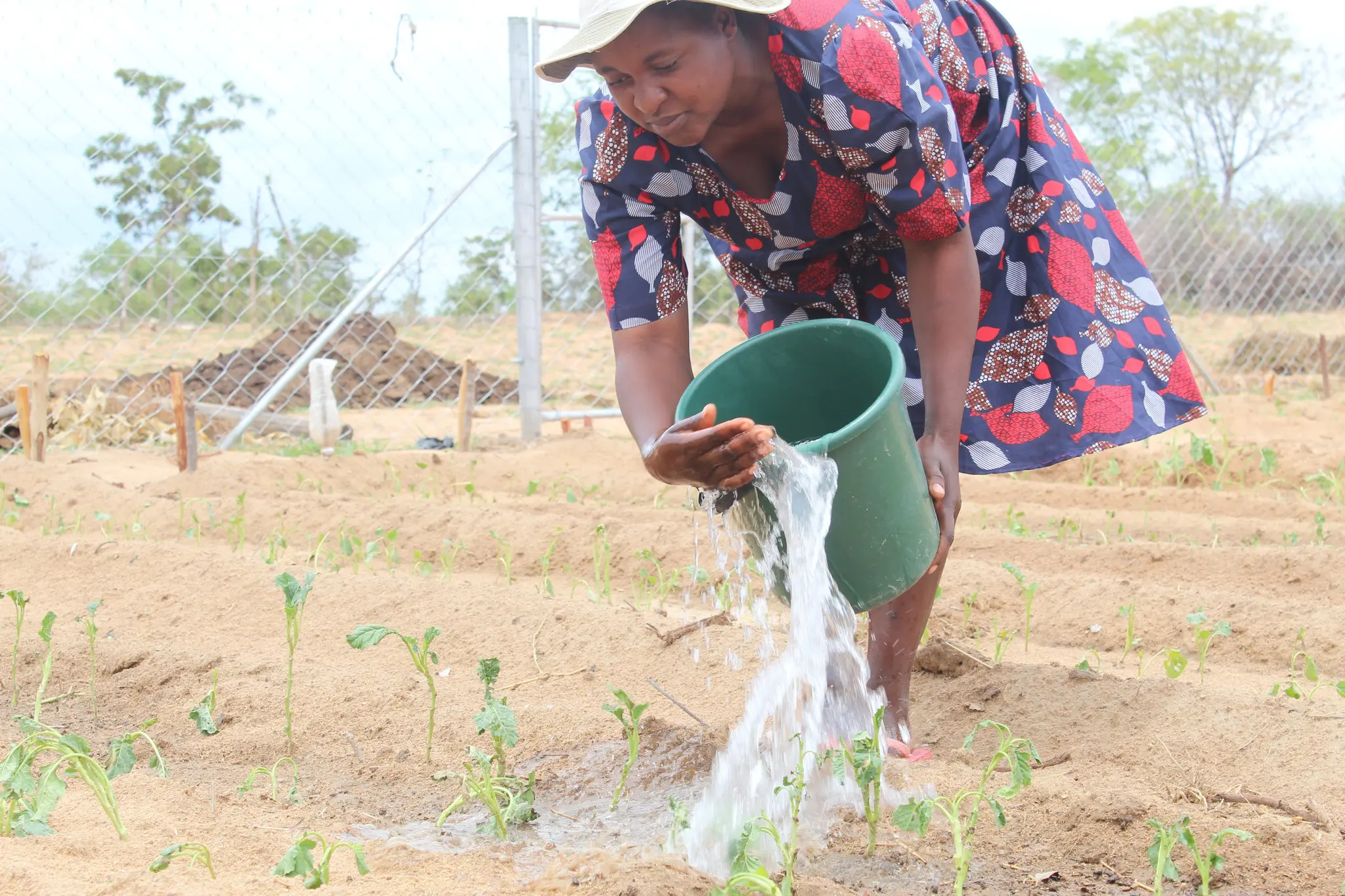
“We have seen real transformation – families paying school fees developing their homesteads by improving their buildings, establishing household solarized water system gardens, and participating in savings and lending activities, from honey and baobab and mar sales, earning a livelihood from conservation means a community begins to recognize and value its natural resources.”

Estella Toperesu, Director of SAFIRE.
.

.

.

SAFIRE’s work became even more critical when the economy began to falter in the late 1990s. It provided rural communities with economic resilience amid growing instability. However, things became tougher at the start of the new millennium, with political changes and economic challenges resulting in limited tourist arrivals, which directly impacted the income generated by CAMPIRE programs.

Advancing Environmental Rights and Accountability

By 2000, Zimbabwe was experiencing significant political and economic changes. The Fast-Track Land Reform Program reshaped land ownership across the country, opening up new opportunities for smallholder farmers and shifting long-standing conservation initiatives. At the same time, a struggling economy and international sanctions put pressure on natural resources. Rural communities had fewer livelihood options, leading to increased harmful activities such as deforestation, small-scale mining, and poaching, making environmental protections increasingly challenging to enforce.

With institutions crumbling, rural communities found themselves vulnerable to powerful commercial industries. Mining companies took land with little regard for environmental impact, forests were cleared without regulation, and people struggled to find ways to fight for their rights. The Zimbabwe Environmental Law Association was founded in 2000. In 2025, it was registered under the Private Voluntary Organisations Act and rebranded as Zimbabwe Environmental Law Organisation (ZELO).

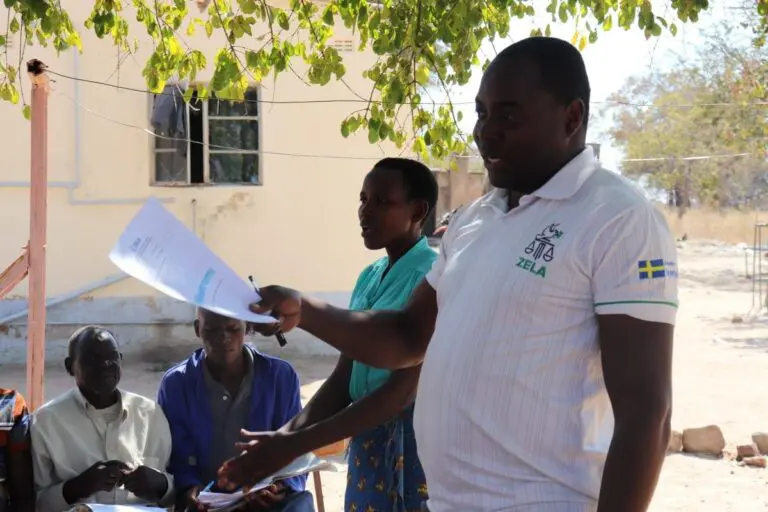
ZELO became a legal advocate and watchdog for natural resources governance and environmental rights, stepping in to hold those harming nature accountable and help local people find justice. The organization collaborated with corporations to promote environmental justice, advocated for communities displaced by mining, and lobbied for more stringent environmental laws and policies. Today, Zimbabwe has the Environmental Management Act and a Constitution that recognises environmental rights as human rights. These rights - Environmental, Economic, Social, and Cultural Rights (EESCR) – represent community aspirations to participate in sustainable conservation of natural resources. They didn’t just work in courtrooms – they went to villages, training ordinary Zimbabweans to know their rights, increasing their ability to use and manage their natural resources, and to demand justice and accountability when their rights were being violated.
However, by the 2010s, another crisis was brewing: human-wildlife conflict had reached catastrophic levels.

Community-led Solutions for Coexistence

By 2019, conservation in Zimbabwe was facing a new kind of emergency. Decades of economic, natural resources governance, and climate change issues have left rural communities vulnerable. Wildlife populations had rebounded in some areas, but without the necessary knowledge and resources to manage them, people and animals were increasingly coming into conflict.

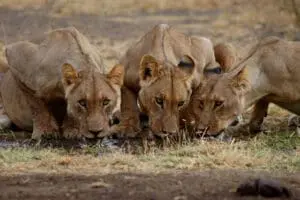
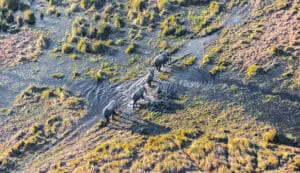
Elephants trampled crops, leaving families without food and sustenance. Lions attacked livestock, costing farmers their livelihoods. Human deaths from wildlife encounters increased, with no compensation to mitigate the crisis. People weren’t against conservation - they simply couldn’t afford it anymore. Wildlife Conservation Action (WCA) was established to find real solutions for people struggling to coexist with wildlife.

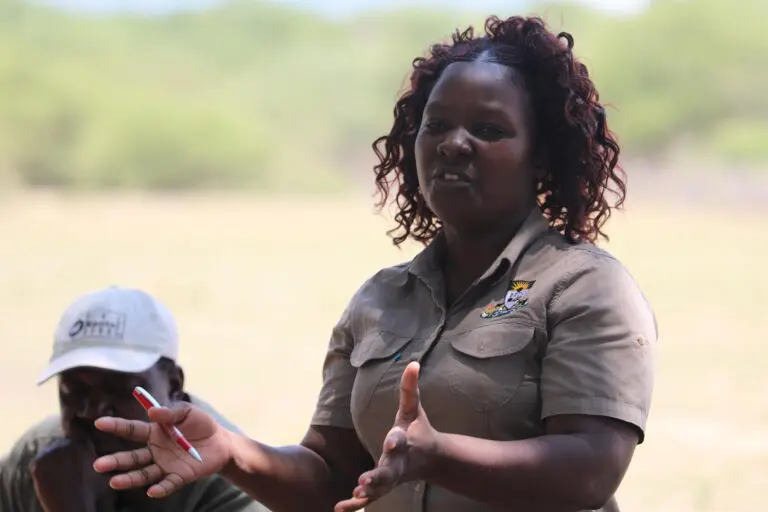
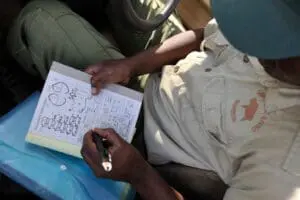
Unlike past efforts that relied on government intervention, WCA put communities and indigenous knowledge at the center of the solution. Through reinforced kraals, mobile bomas, early warning systems, and innovative predator deterrents, WCA gave people the tools to protect their homes, farms, and livestock without resorting to retaliatory killings. Central to this approach are the Community Guardians – local men and women trained by WCA to lead conservation efforts from within.

“They are the sons and daughters from these communities... they understand the problem better, and they are also the ones that are better positioned to find solutions.”

Dr. Moreangels Mbizah, WCA’s founder and Executive Director.

The Road Ahead: Challenges and Opportunities

The future of community-led conservation in Zimbabwe is both promising and complex. One of the most pressing issues is policy reform. Currently, the Parks and Wildlife Amendment Bill, is being debated in parliament. If passed, it could open the door for communities to have more direct control over conservation areas, benefitting thousands of rural families.

Making conservation economically viable is another key piece of the puzzle. Programs like SAFIRE’s sustainable trade initiatives and WCA’s climate-smart farming projects already show what’s possible when conservation aligns with livelihoods. In some areas, SAFIRE’s work has led to a 40% increase in household incomes and helped restore over 40,000 hectares of degraded land, proving the effectiveness of their model. But to scale up, they’ll need stronger links to markets and long-term support that prioritizes lasting impact over quick returns.

Good governance of Community-Based Organisations or institutions established at the local level is another important factor in making conservation sustainable. Without good governance, conservation projects and initiatives, no matter how well-intentioned and resourced, will collapse. That's where ZELO’s work becomes relevant and crucial.

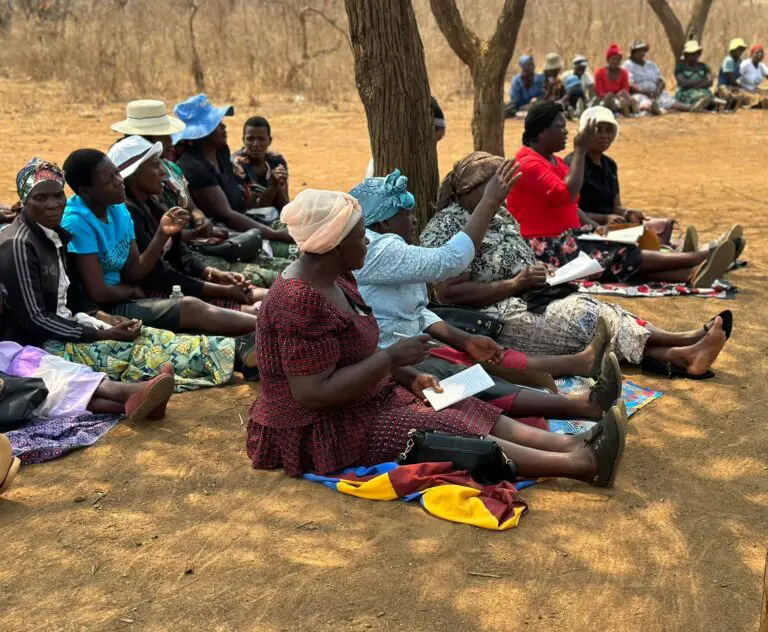
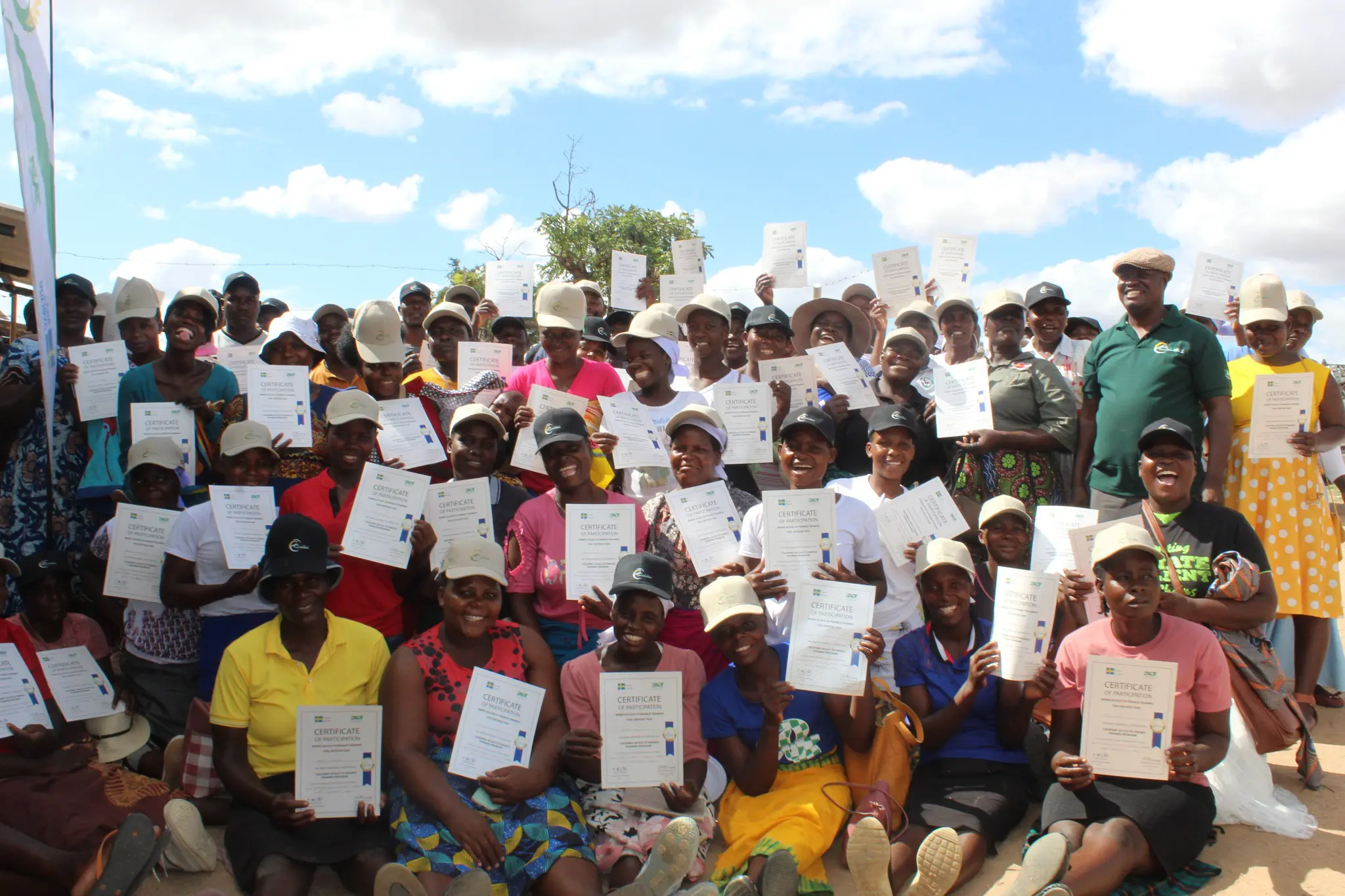
Education and community involvement are also critical. For conservation to take root, especially with future generations, young people need to see it as more than just protecting wildlife – they’ll need to see it as a real opportunity. Organizations like WCA, SAFIRE, and ZELO are already weaving environmental education into schools, universities, and community forums, helping to shape a generation that sees nature not as a barrier but as a foundation for the future. ZELO alone has trained more than 5,000 community paralegals, building legal capacity from the ground up.

“Registration of CBOs as legal entities is a key tool of promoting sustainability, as these institutions will remain rooted in communities long after projects have ended,”

Mutuso Dhliwayo of ZELO
Amid these challenges, there is also a growing sense of momentum. As Moreangels Mbizah of WCA says, “Even in the absence of funding, community-led initiatives continue because they’re driven by the community. That’s what makes it sustainable.”

Importantly, this revival is not happening in isolation. SAFIRE, ZELO, WCA, and other community-led organizations are actively working with Rural District Councils to strengthen local conservation governance. By supporting RDCs with technical expertise, capacity building, and inclusive planning processes, these organizations are helping to ensure that conservation decisions better reflect the voices and priorities of the communities they serve. In places where partnerships are strong, RDCs play a crucial role in facilitating transparent benefit-sharing, aligning development goals with conservation efforts, and creating opportunities for community trusts and producer groups to thrive. These collaborations are rebuilding trust and demonstrating that when local governments and grassroots organizations work together, community conservation can be more equitable, accountable, and resilient. In some areas where WCA works, for example, carnivore-related livestock losses have decreased by 60%, benefiting over 30,000 people and demonstrating what’s possible when solutions emerge from within.

Zimbabwe’s community conservation movement has come full circle. Once a leader, then a cautionary tale, it is now a story of slow but steady revival. Although SAFIRE, ZELO, and WCA still face significant challenges, they are beginning to rewrite the narrative, from extraction and exclusion to stewardship and shared prosperity. In doing so, Zimbabwe is not only reclaiming its legacy, but it’s also reshaping conservation through community-rooted action and justice-driven innovation. 

Saiba mais

A Maliasili existe para ajudar organizações locais de conservação talentosas a superar os seus desafios e limitações, para que possam tornar-se agentes de mudança mais eficazes nas suas paisagens, comunidades e países.

Subscreva a nossa Newsletter Trimestral

Inscreva-se com o seu endereço de e-mail para receber notícias e atualizações.
Respeitamos a sua privacidade.

© Maliasili 2014 - 2026

4 Carmichael St, Suite 111-193, Essex Junction, VT 05452

A Maliasili está designada como uma organização de caridade pública (501c3) pelo Serviço de Receita Federal dos Estados Unidos (Internal Revenue Service).