
Raviver le mouvement de conservation communautaire au Zimbabwe

Accueil > Voix de l’impact > Zoom sur un partenaire > Raviver le mouvement de conservation communautaire au Zimbabwe
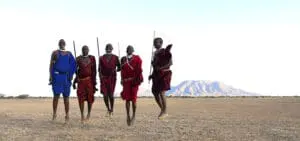
Les racines de la conservation menée par les communautés en Afrique sont profondes, et elles commencent au Zimbabwe. Bien avant la renommée mondiale des programmes de conservation communautaire en Namibie et au Kenya, le Zimbabwe a été un pionnier de la conservation par et pour les communautés. Le Communal Areas Management Programme for Indigenous Resources (CAMPFIRE), lancé dans les années 1980, fut l’un des premiers efforts à grande échelle en Afrique visant à donner aux communautés locales un intérêt financier dans la conservation. Grâce aux revenus générés par le safari de chasse, l’écotourisme et l’utilisation contrôlée des ressources naturelles, les habitants des zones rurales du Zimbabwe ont pu constater les avantages de la protection de la faune, malgré les inconvénients que cela pouvait engendrer. À son apogée, le programme CAMPFIRE générait plusieurs millions de dollars par an, permettant aux communautés de construire des écoles, des cliniques et d’autres infrastructures avec les profits issus de la conservation. Ce modèle a été salué comme une réussite mondiale, inspirant des pays du monde entier et à travers l’Afrique.

Les Rural District Councils (RDCs) ont joué un rôle central dans ce modèle. En tant que détenteurs de « l’autorité appropriée » en vertu d’un amendement à la Parks and Wildlife Act, le gouvernement a accordé aux RDCs des « droits d’usage » pour gérer la faune et en tirer profit sur les terres communautaires au nom des communautés qu’ils représentent. Cela signifiait que les RDCs pouvaient prendre des décisions sur l’utilisation de la faune et s’assurer que les communautés percevaient une part des revenus générés par des activités telles que le tourisme ou la chasse. De nombreux RDCs ont utilisé cette autorité pour adopter le modèle CAMPFIRE, qui relie la conservation au développement rural. Ce changement a permis d’augmenter la participation communautaire et de réduire le braconnage dans les premières années. Certains districts pionniers, tels que Mbire, Mahenya et Binga, ont connu un grand succès au départ. Cependant, avec le temps, des problèmes sont apparus lorsque certaines communautés ont souhaité exercer un contrôle plus important sur l’utilisation des fonds. 

À la fin des années 1990, il était clair que les bénéfices issus de l’impact du programme CAMPFIRE étaient répartis de manière inégale entre les zones couvertes par le programme. Certaines communautés prospéraient, tandis que d’autres en tiraient peu d’avantages. Bien que le programme visait à donner aux communautés locales davantage de contrôle sur leurs ressources, leur pouvoir était limité par des problèmes de gouvernance affectant la gestion des fonds générés par le programme. Dans les années 2000, des défis politiques et économiques ont conduit à une baisse des financements et de l’élan des efforts de conservation. Avec moins de ressources et peu d’incitations, de nombreuses communautés se sont retirées de la protection de la faune, et les conflits avec la faune ont augmenté. Les personnes qui avaient autrefois conduit les efforts de conservation luttaient désormais pour coexister avec la même faune qu’elles cherchaient à protéger, car les coûts associés à la vie parmi les animaux sauvages augmentaient rapidement, tandis que les bénéfices diminuaient.

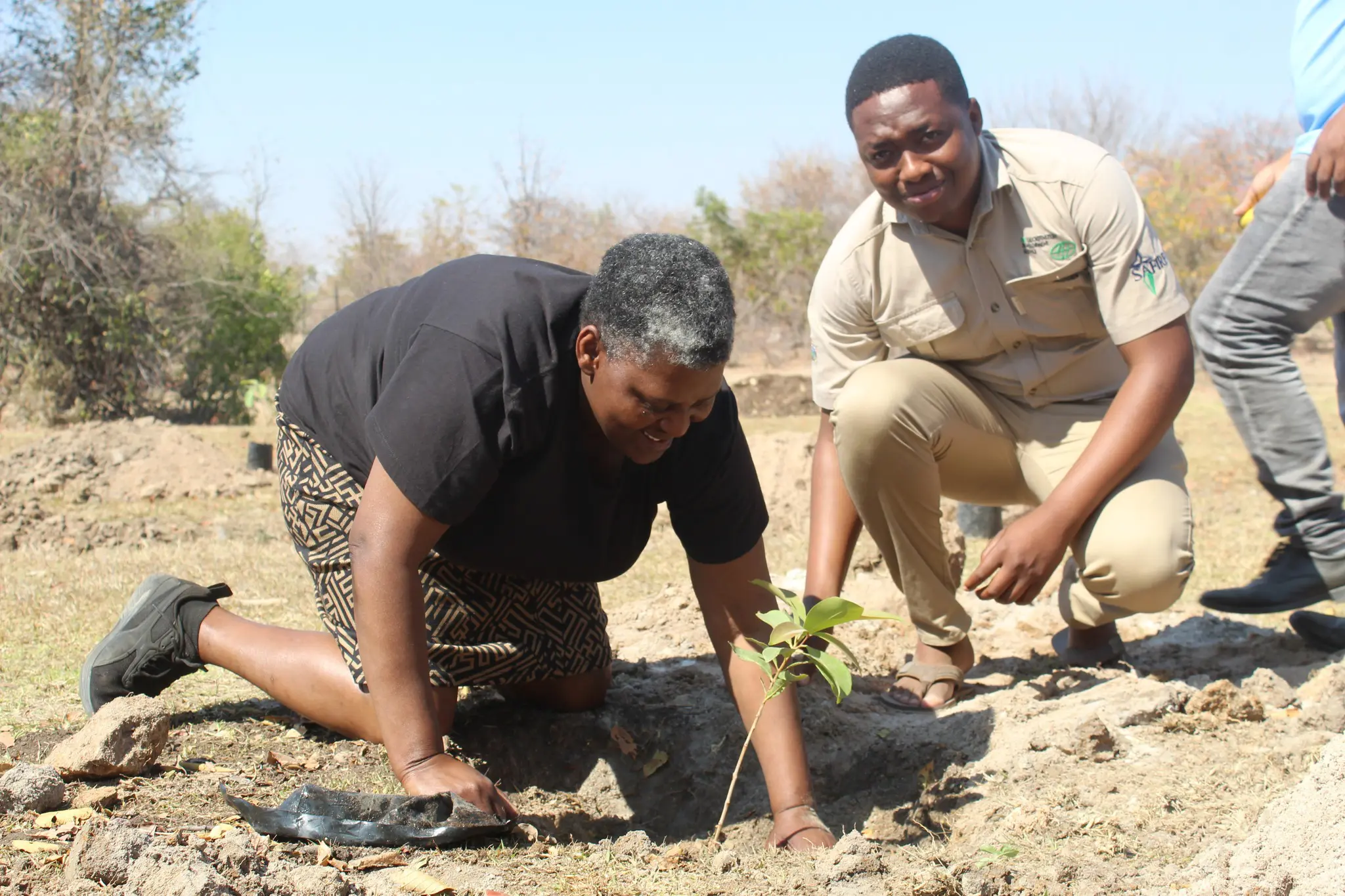
Mais aujourd’hui, contre toute attente, les communautés et les organisations locales du Zimbabwe reprennent leur place au cœur de la conservation. Grâce à des organisations telles que Southern Alliance for Indigenous Resources (SAFIRE), Organisation du droit environnemental du Zimbabwe (ZELO) (formerly Zimbabwe Environmental Law Association), and Action pour la conservation de la faune sauvage (WCA), a new movement is emerging that prioritizes protecting both people and nature, fights for environmental, economic, social, and cultural rights, and creates real economic opportunities in conservation.

Linking Livelihoods and Conservation

In 1994, with CAMPFIRE at its peak, SAFIRE emerged with a bold new vision: what if conservation wasn’t just about saving wildlife, but also about sustainable livelihoods? Instead of relying solely on safari hunting and tourism, SAFIRE promoted a different approach: one centred on non-timber forest products and agroforestry.
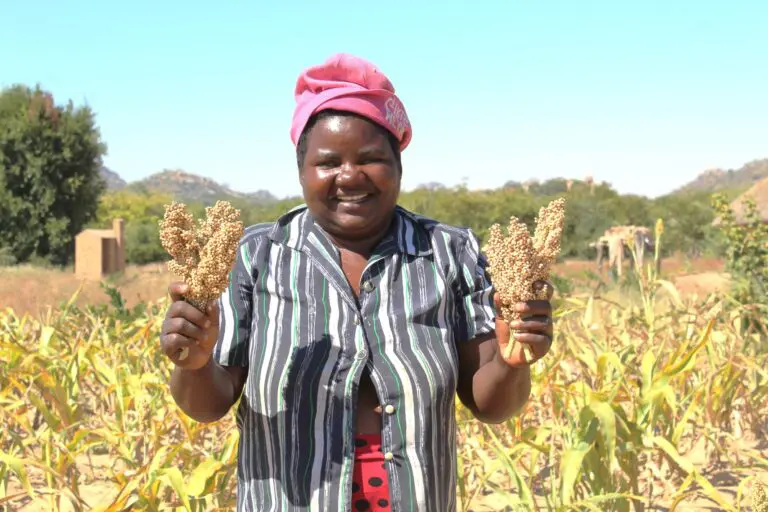
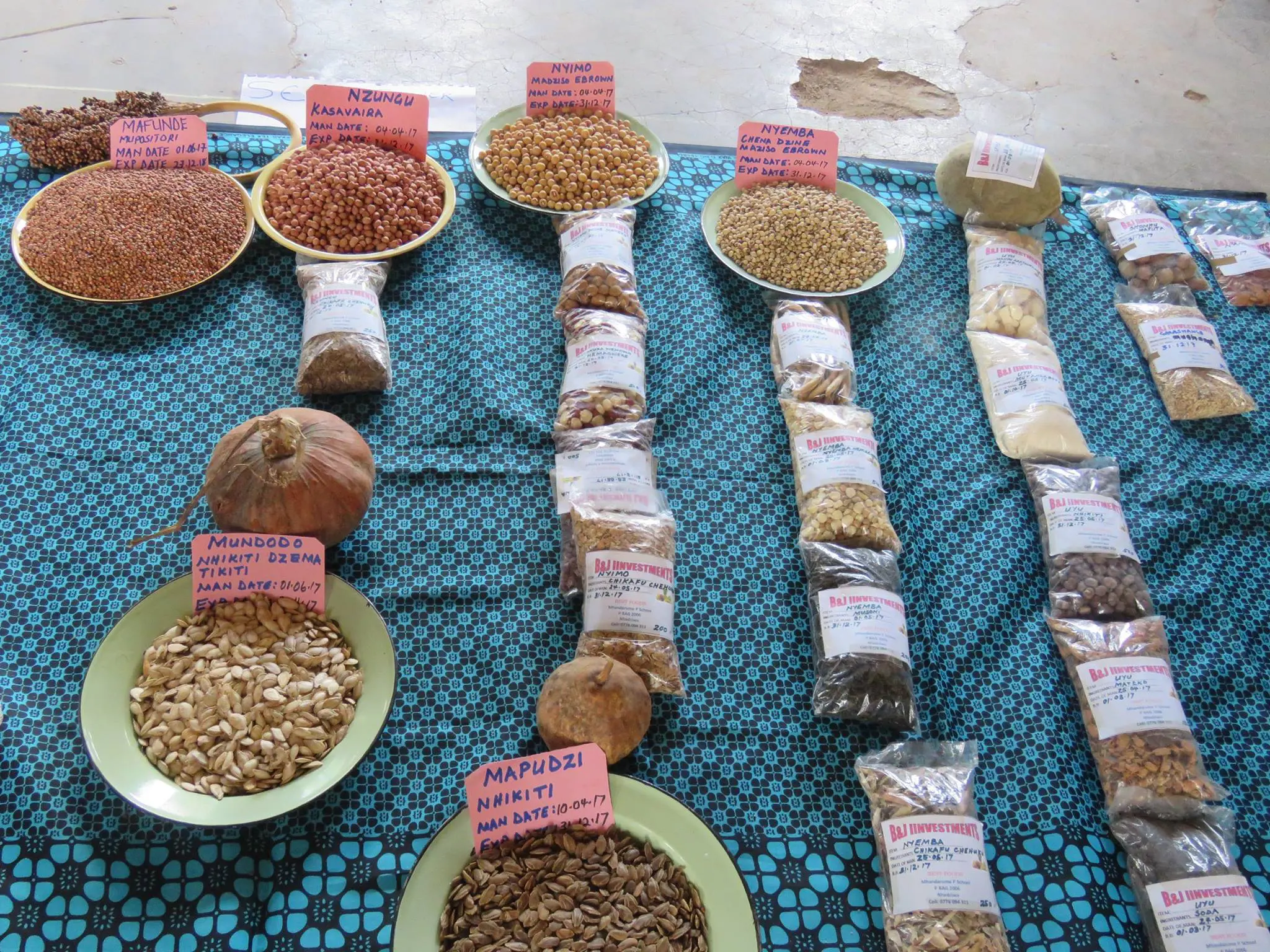
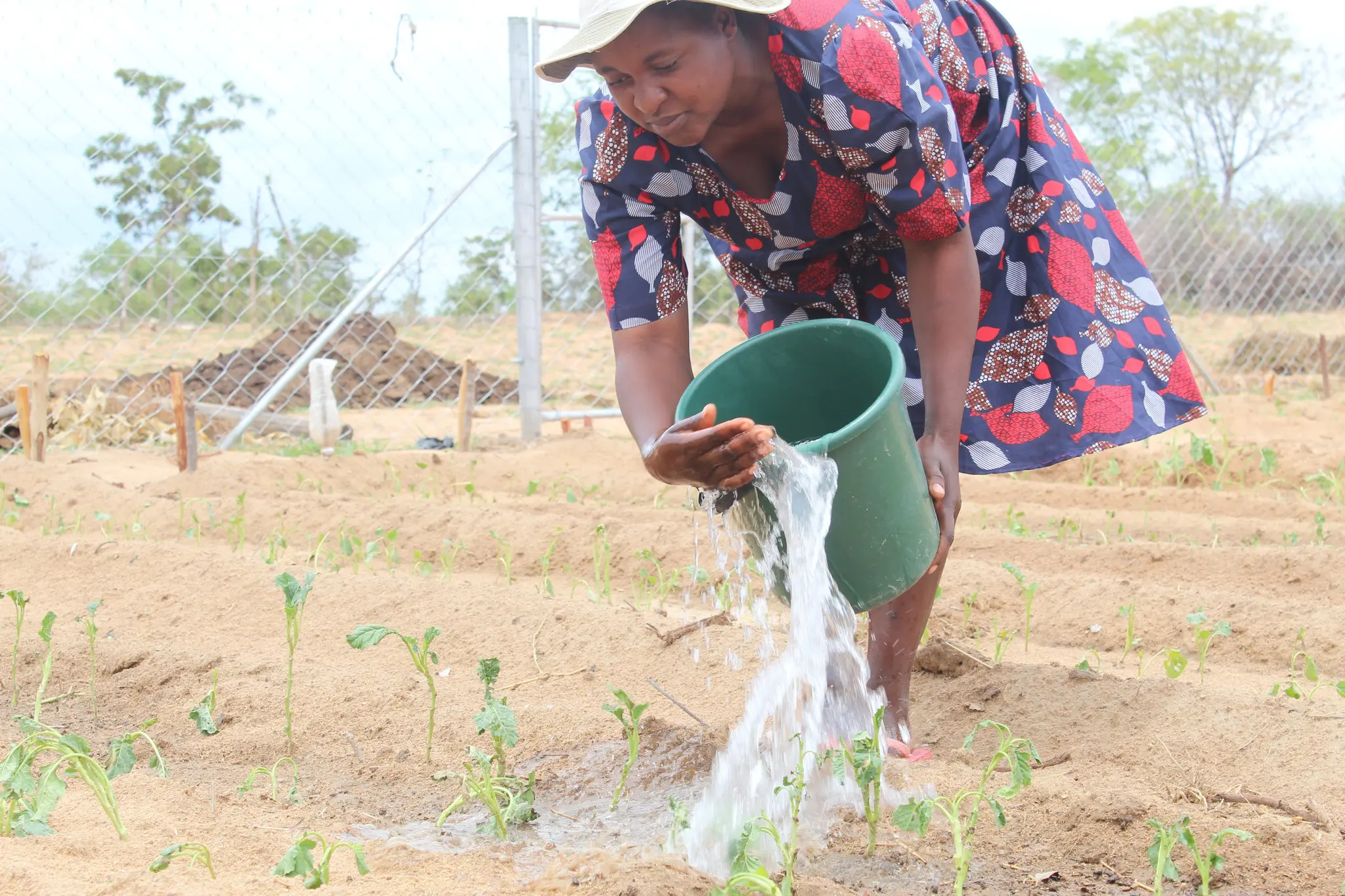
By helping communities earn a living from wild resources without depleting them, SAFIRE created a new kind of conservation economy. People learned to sustainably harvest baobab fruit, honey, marula nuts, herbal teas, and medicinal plants, gaining access to ethical markets that paid fair prices for their goods.

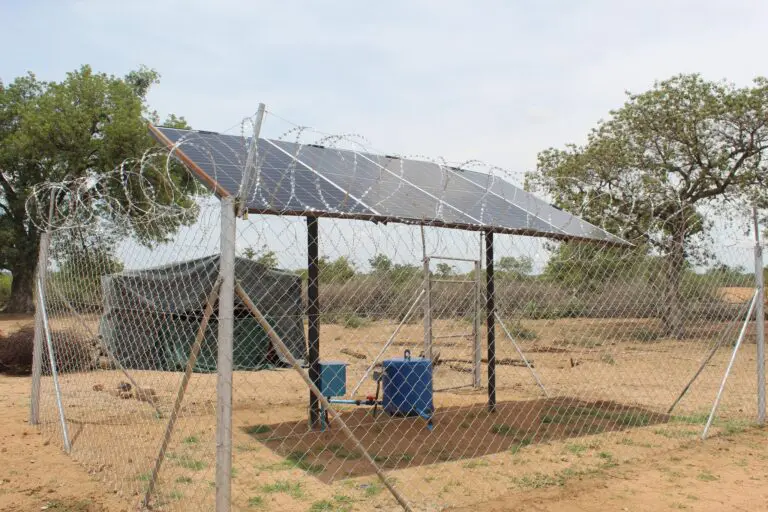
“We have seen real transformation – families paying school fees developing their homesteads by improving their buildings, establishing household solarized water system gardens, and participating in savings and lending activities, from honey and baobab and mar sales, earning a livelihood from conservation means a community begins to recognize and value its natural resources.”

Estella Toperesu, Director of SAFIRE.
.

.

.

SAFIRE’s work became even more critical when the economy began to falter in the late 1990s. It provided rural communities with economic resilience amid growing instability. However, things became tougher at the start of the new millennium, with political changes and economic challenges resulting in limited tourist arrivals, which directly impacted the income generated by CAMPIRE programs.

Advancing Environmental Rights and Accountability

By 2000, Zimbabwe was experiencing significant political and economic changes. The Fast-Track Land Reform Program reshaped land ownership across the country, opening up new opportunities for smallholder farmers and shifting long-standing conservation initiatives. At the same time, a struggling economy and international sanctions put pressure on natural resources. Rural communities had fewer livelihood options, leading to increased harmful activities such as deforestation, small-scale mining, and poaching, making environmental protections increasingly challenging to enforce.

With institutions crumbling, rural communities found themselves vulnerable to powerful commercial industries. Mining companies took land with little regard for environmental impact, forests were cleared without regulation, and people struggled to find ways to fight for their rights. The Zimbabwe Environmental Law Association was founded in 2000. In 2025, it was registered under the Private Voluntary Organisations Act and rebranded as Zimbabwe Environmental Law Organisation (ZELO).

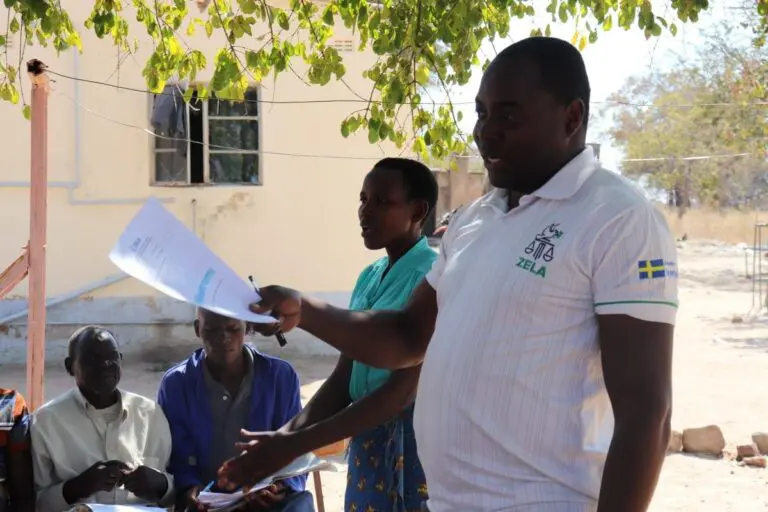
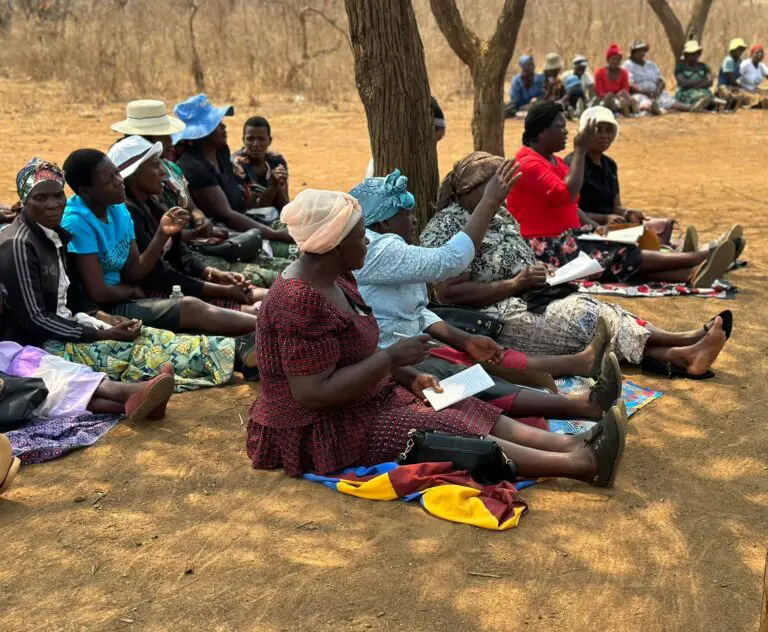
ZELO became a legal advocate and watchdog for natural resources governance and environmental rights, stepping in to hold those harming nature accountable and help local people find justice. The organization collaborated with corporations to promote environmental justice, advocated for communities displaced by mining, and lobbied for more stringent environmental laws and policies. Today, Zimbabwe has the Environmental Management Act and a Constitution that recognises environmental rights as human rights. These rights - Environmental, Economic, Social, and Cultural Rights (EESCR) – represent community aspirations to participate in sustainable conservation of natural resources. They didn’t just work in courtrooms – they went to villages, training ordinary Zimbabweans to know their rights, increasing their ability to use and manage their natural resources, and to demand justice and accountability when their rights were being violated.
However, by the 2010s, another crisis was brewing: human-wildlife conflict had reached catastrophic levels.

Community-led Solutions for Coexistence

By 2019, conservation in Zimbabwe was facing a new kind of emergency. Decades of economic, natural resources governance, and climate change issues have left rural communities vulnerable. Wildlife populations had rebounded in some areas, but without the necessary knowledge and resources to manage them, people and animals were increasingly coming into conflict.

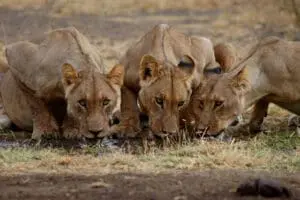
Elephants trampled crops, leaving families without food and sustenance. Lions attacked livestock, costing farmers their livelihoods. Human deaths from wildlife encounters increased, with no compensation to mitigate the crisis. People weren’t against conservation - they simply couldn’t afford it anymore. Wildlife Conservation Action (WCA) was established to find real solutions for people struggling to coexist with wildlife.

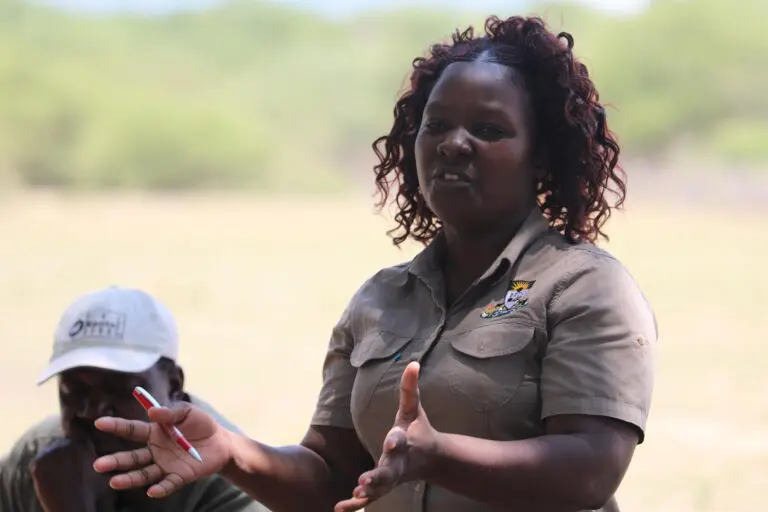
Unlike past efforts that relied on government intervention, WCA put communities and indigenous knowledge at the center of the solution. Through reinforced kraals, mobile bomas, early warning systems, and innovative predator deterrents, WCA gave people the tools to protect their homes, farms, and livestock without resorting to retaliatory killings. Central to this approach are the Community Guardians – local men and women trained by WCA to lead conservation efforts from within.

“They are the sons and daughters from these communities... they understand the problem better, and they are also the ones that are better positioned to find solutions.”

Dr. Moreangels Mbizah, WCA’s founder and Executive Director.

The Road Ahead: Challenges and Opportunities

The future of community-led conservation in Zimbabwe is both promising and complex. One of the most pressing issues is policy reform. Currently, the Parks and Wildlife Amendment Bill, is being debated in parliament. If passed, it could open the door for communities to have more direct control over conservation areas, benefitting thousands of rural families.

Making conservation economically viable is another key piece of the puzzle. Programs like SAFIRE’s sustainable trade initiatives and WCA’s climate-smart farming projects already show what’s possible when conservation aligns with livelihoods. In some areas, SAFIRE’s work has led to a 40% increase in household incomes and helped restore over 40,000 hectares of degraded land, proving the effectiveness of their model. But to scale up, they’ll need stronger links to markets and long-term support that prioritizes lasting impact over quick returns.

Good governance of Community-Based Organisations or institutions established at the local level is another important factor in making conservation sustainable. Without good governance, conservation projects and initiatives, no matter how well-intentioned and resourced, will collapse. That's where ZELO’s work becomes relevant and crucial.

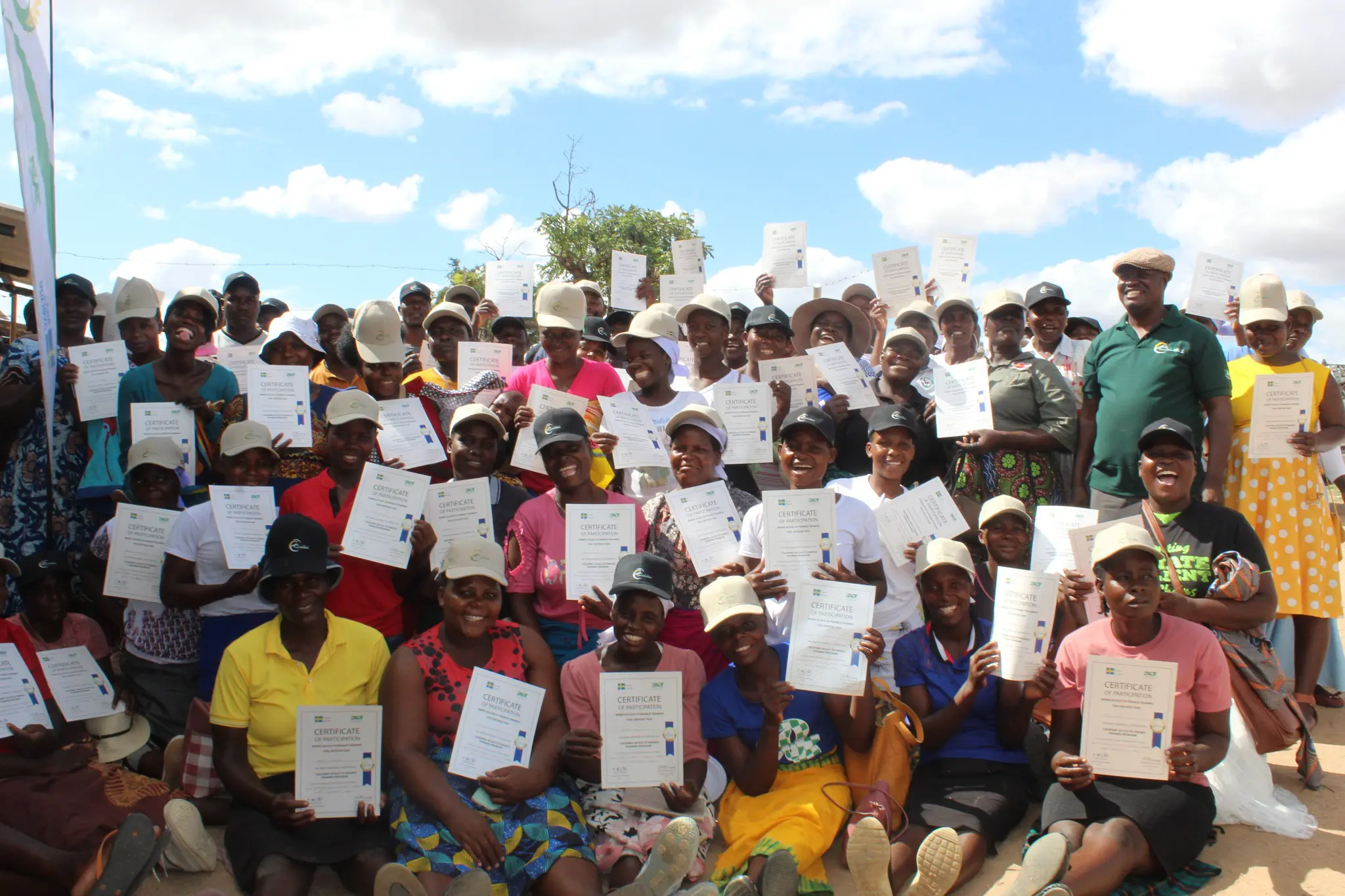
Education and community involvement are also critical. For conservation to take root, especially with future generations, young people need to see it as more than just protecting wildlife – they’ll need to see it as a real opportunity. Organizations like WCA, SAFIRE, and ZELO are already weaving environmental education into schools, universities, and community forums, helping to shape a generation that sees nature not as a barrier but as a foundation for the future. ZELO alone has trained more than 5,000 community paralegals, building legal capacity from the ground up.

“Registration of CBOs as legal entities is a key tool of promoting sustainability, as these institutions will remain rooted in communities long after projects have ended,”

Mutuso Dhliwayo of ZELO
Amid these challenges, there is also a growing sense of momentum. As Moreangels Mbizah of WCA says, “Even in the absence of funding, community-led initiatives continue because they’re driven by the community. That’s what makes it sustainable.”

Importantly, this revival is not happening in isolation. SAFIRE, ZELO, WCA, and other community-led organizations are actively working with Rural District Councils to strengthen local conservation governance. By supporting RDCs with technical expertise, capacity building, and inclusive planning processes, these organizations are helping to ensure that conservation decisions better reflect the voices and priorities of the communities they serve. In places where partnerships are strong, RDCs play a crucial role in facilitating transparent benefit-sharing, aligning development goals with conservation efforts, and creating opportunities for community trusts and producer groups to thrive. These collaborations are rebuilding trust and demonstrating that when local governments and grassroots organizations work together, community conservation can be more equitable, accountable, and resilient. In some areas where WCA works, for example, carnivore-related livestock losses have decreased by 60%, benefiting over 30,000 people and demonstrating what’s possible when solutions emerge from within.

Zimbabwe’s community conservation movement has come full circle. Once a leader, then a cautionary tale, it is now a story of slow but steady revival. Although SAFIRE, ZELO, and WCA still face significant challenges, they are beginning to rewrite the narrative, from extraction and exclusion to stewardship and shared prosperity. In doing so, Zimbabwe is not only reclaiming its legacy, but it’s also reshaping conservation through community-rooted action and justice-driven innovation. 

En savoir plus

Maliasili existe pour aider les organisations locales de conservation talentueuses à surmonter leurs défis et contraintes, afin qu’elles puissent devenir des acteurs de changement plus efficaces au sein de leurs paysages, communautés et pays.

S’abonner à notre newsletter trimestrielle

Inscrivez-vous avec votre adresse e-mail pour recevoir nos actualités et mises à jour.
Nous respectons votre vie privée.

© Maliasili 2014 - 2026

4 Carmichael St, Suite 111-193, Essex Junction, VT 05452

Maliasili est reconnue comme une organisation caritative publique (501c3) par l’Internal Revenue Service.