At a glance
- Gatherings are a critical resource for growth, learning, connection and trust: but only if done with intention and care. Too many events happen because of habit or obligation, leading to frustration and wasted time and energy.
- For every gathering, leaders and organizers need to ask: how can we design this in a way that builds connection, unlocks wisdom, and inspires action, rather than simply going through the motions?
- Connection precedes content: building relationship, trust, and psychological safety allows deeper reflection, honest conversations, and real progress to take place when addressing complex issues.
- There are common mistakes that ruin gatherings: like trying to do too much, lack of clear focus, or poor facilitation and structure. These can be avoided by intentionally designing gatherings to be purpose-driven, engaging, and well-facilitated.
We’ve all been there: stacked schedules, endless presentations, and asking ourselves, “why am I even here?” when stuck in an unproductive or pointless meeting.
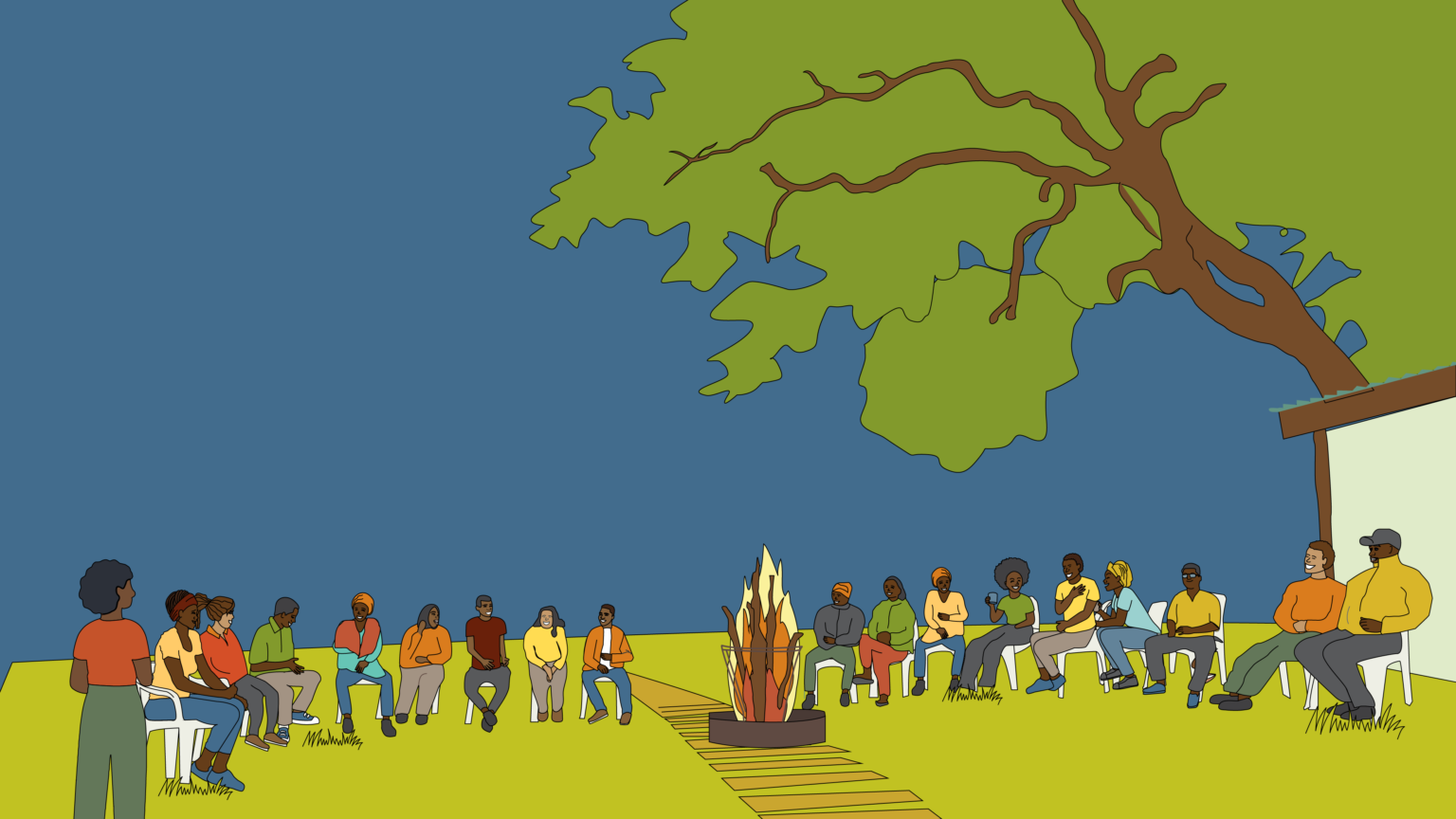
Or on the other end, we’ve experienced the magic of a truly well-designed, transformational gathering: where the room feels alive, connections feel real, and people leave energized, inspired, and aligned on what to do next.
As a leader or organizer of gatherings, whether team retreats, workshops, or strategic conversations, creating spaces like these requires intentional design, thoughtful planning, and skilled facilitation. But it also requires understanding the true value and power of bringing people together.
Gatherings aren’t just operational check-ins; they are opportunities to build trust, foster creativity, and unlock collective wisdom. When done well, they can transform teams, partnerships, and organizations.
Why do we need it?
Building intentional space to bring people together is essential for high-performing teams, successful partnerships, and driving meaningful change. It allows us to slow down, connect, and think together.
The most courage-filled and effective gatherings are built on a simple yet radical idea: connection precedes content. When people feel safe, heard, and connected, they are better equipped to navigate difficult conversations, solve complex problems, and innovate. Truly transformational gatherings create space for all voices to be heard and valued.
In short, creating spaces for connection, trust, and reflection pays dividends in strategic ways:
- ✓
It unlocks collective wisdom and problem-solving: When people feel comfortable sharing, they share new insights, surface challenges, and find solutions that no single person could have come up with alone.
- ✓
It builds trust and psychological safety, which speeds up real work: Trust isn’t built in formal meetings; it’s built through shared experiences, vulnerability, and active listening. When trust is established, teams move faster, communicate more openly, and handle conflict better.
- ✓
It creates alignment and shared commitment: People support what they help create. Involving people in shaping decisions leads to deeper ownership, clearer alignment, and stronger follow-through.
- ✓
It reinforces values, shared culture, and purpose: Gatherings serve as a reminder of why we do the work we do. They help ground people in shared values, celebrate achievements, and re-energize the group.
- ✓
It surfaces the real issues that need attention: When spaces are safe and well-structured, people feel comfortable bringing up hidden challenges, addressing unspoken tensions, and tackling what really matters instead of skirting around issues.
- ✓
It creates room for reflection and new perspectives: Stepping away from the daily grind gives people space to step back, reflect, gain perspective, and return with renewed clarity and fresh ideas.

How can we do it well? And what must we look out for?
Just like a bad meeting can drain energy, a poorly designed gathering can waste time, frustrate people, and damage trust. To host impactful gatherings, keep the following in mind:
How to make sure gatherings are useful, engaging, and worth the investment:
- ✓
Be clear on the purpose and desired outcomes of the gathering: Before inviting anyone, ask: Why are we meeting, and what will success look like by the end? Clarity of purpose shapes every decision, from agenda design to invitation list.
- ✓
Design the process, not just the agenda items: A great agenda isn’t just a list of topics; it’s a thoughtfully designed process. Think about how people will interact, participate, and contribute, ensuring balance between content, reflection, and discussion.
- ✓
Focus on connection before content to build trust and psychological safety: Start with low-stakes, warm-up exercises that allow people to connect as human beings before jumping into heavy work or complex topics.
- ✓
Ensure active participation and give everyone a voice: Structure discussions so everyone contributes—use small groups, pair-shares, or writing exercises—rather than letting dominant voices take over.
- ✓
Pay attention to the physical space: The room setup matters! Choose a space that encourages openness, interaction, and movement, avoiding rigid boardrooms whenever possible.
- ✓
Pace the schedule and allow time for rest: Avoid overloading agendas. Build in downtime, reflection periods, and regular breaks to keep energy and focus high.
- ✓
Invest in skilled facilitation: Skilled facilitators keep conversations focused, navigate dynamics, manage power balances, and ensure the group achieves its goals.
- ✓
Follow up with clear actions and accountability: The energy of a great gathering can fade quickly without clear follow-up. Document key outcomes, assign action items, and maintain momentum post-gathering.
Less is more: 9 red flags for gatherings and meetings 🚩
- ✓
Having too many agenda items and trying to cram too much into the time available: This leads to rushed discussions, shallow engagement, and exhaustion. Prioritize depth over breadth.
- ✓
Lack of clear purpose or objective for why the gathering is happening: If you can’t answer “why are we meeting?”, suspend or cancel the meeting until clarity is reached.
- ✓
One-way broadcasting rather than interactive discussion: If the meeting is just one person presenting data, send an email or record a video instead. Use gathering time for discussion and collective input.
- ✓
Dominant voices taking over the floor: Without proper facilitation, extroverted or senior voices hog the floor, while quiet or junior attendees are left out.
- ✓
Ignoring power dynamics or avoiding difficult topics that need to be addressed: Unspoken tensions or unaddressed power dynamics create artificial conversations where real issues are swept under the rug.
- ✓
Poor time management and lack of structure: Running over time, starting late, or losing track of objectives creates frustration and disengagement.
- ✓
Not providing breaks or space for reflection: Back-to-back presentations without breaks lead to cognitive fatigue and lower quality contributions.
- ✓
Failing to document key decisions or action items: If decisions aren’t recorded or assigned, participants leave unclear on next steps, rendering the meeting useless.
- ✓
Not considering accessibility or inclusion needs: Failing to design for physical, linguistic, or cultural needs excludes team members and limits participation.
Gatherings can be transformational when done thoughtfully and intentionally
- By focusing on connection, clarity of purpose, and structured facilitation, you can turn routine meetings into powerful moments of alignment and progress.
- Remember, every gathering is an investment of people’s time and energy. Make it count by designing spaces where people feel valued, heard, and inspired to act.
- The next time you plan a meeting or retreat, ask yourself: How can we make this a gathering that truly unlocks collective potential?