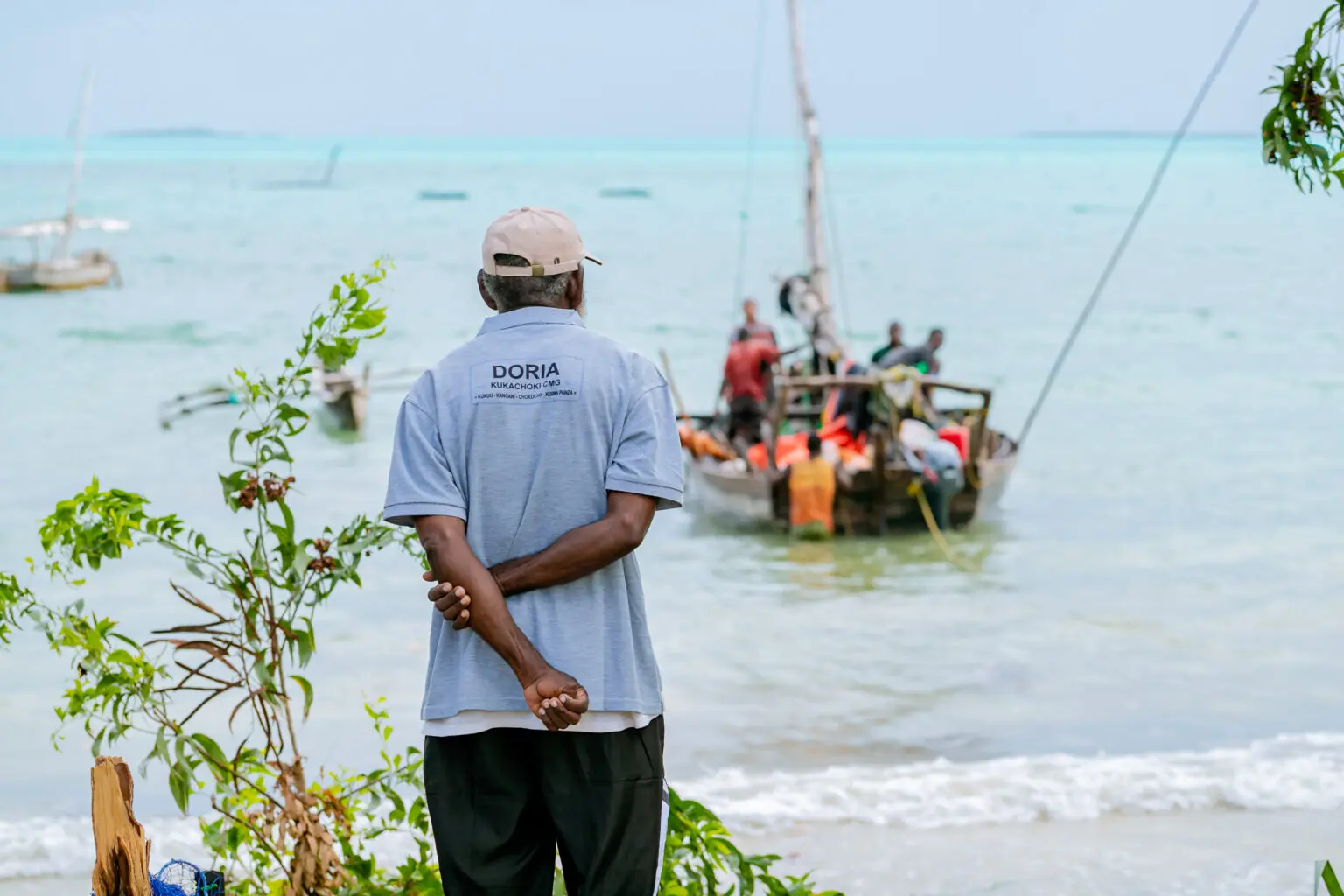
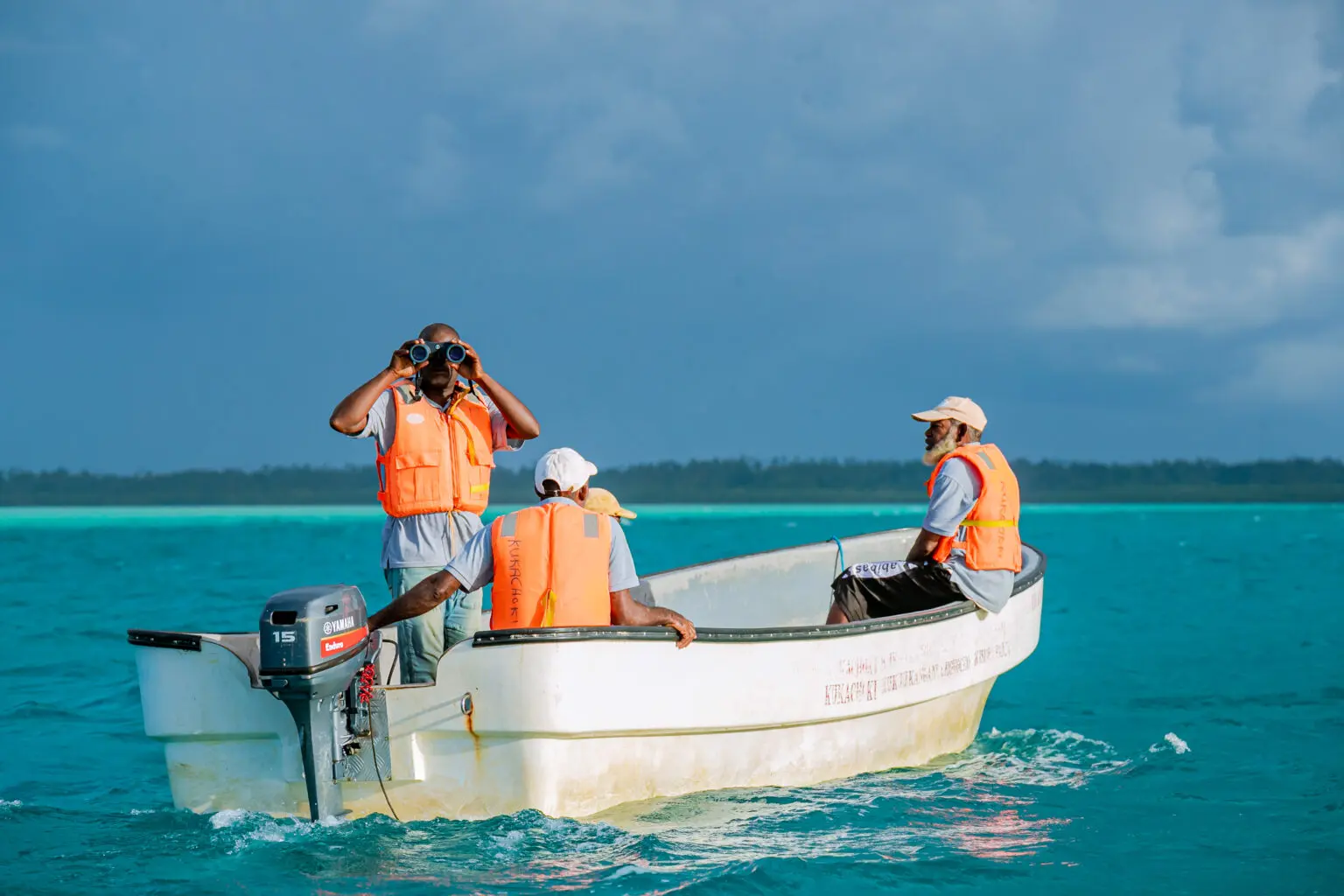
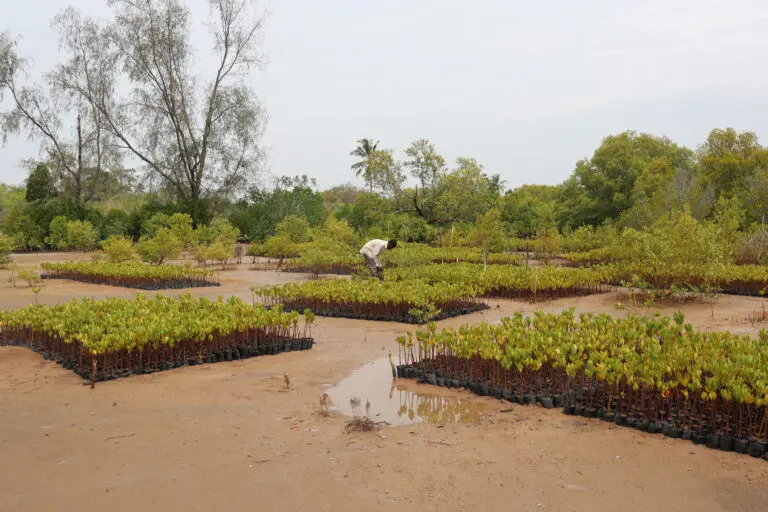
At COMRED, we expanded our model to additional landscapes. Before the grant, we were working with eight Beach Management Units (BMUs) in Kwale County. With this funding, we expanded into Kilifi County and increased our reach to 15 BMUs. Because we were applying a consistent set of interventions across these sites, we could concentrate our efforts, monitor change more effectively, and foster collective learning across the BMUs.
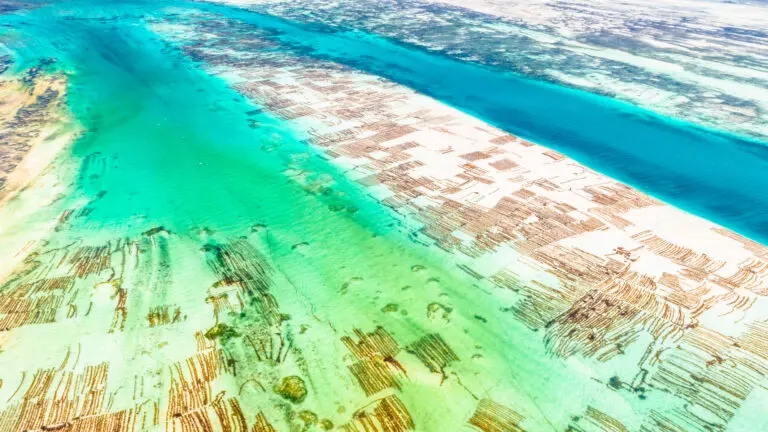
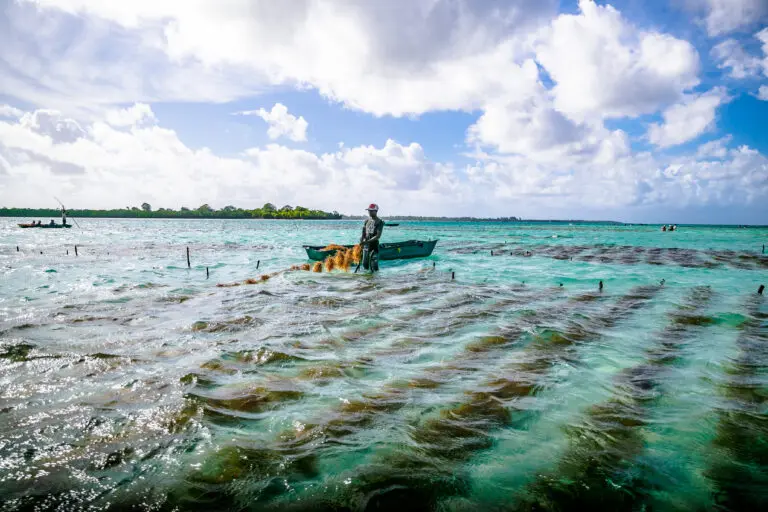
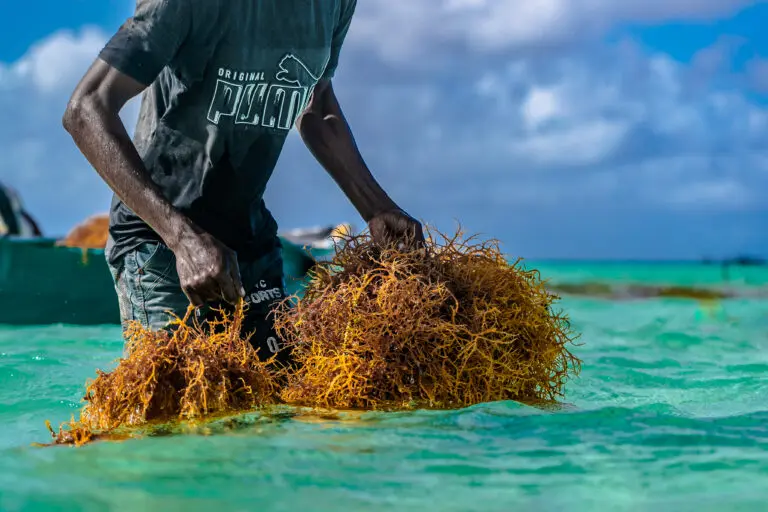
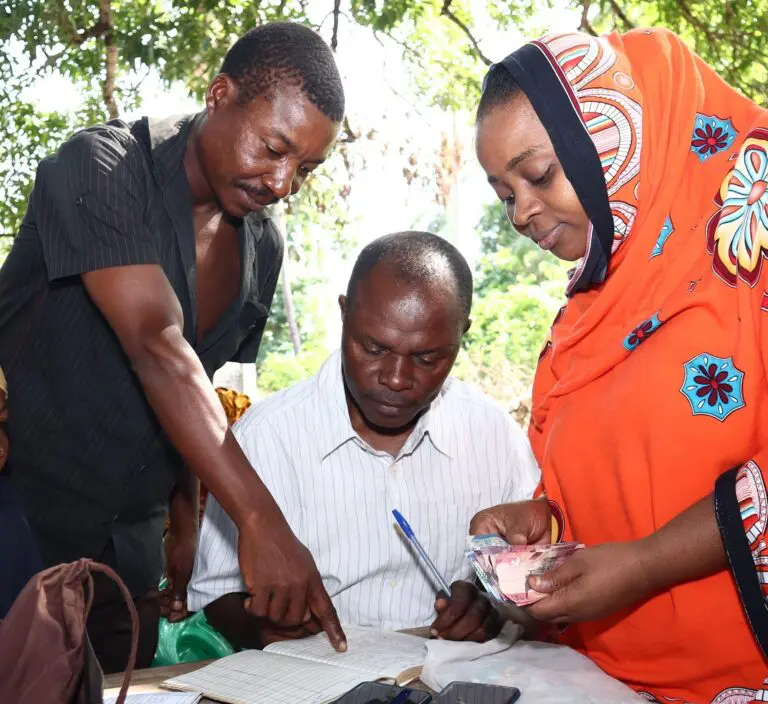
Mwambao grew the MKUBA eco-credit initiative, nearly doubling the number of eco-credit groups we support 10 communities, and reaching over 1500 people. MKUBA links access to loans with conservation action, allowing communities to benefit directly from protecting their marine ecosystems. This expansion has made our approach more targeted, more accountable, and more transformative for the communities we serve.
At Sea Sense, the grant enabled us to expand into Mkuranga District, a stretch of coastline that has long been overlooked in Tanzania’s community-led marine management efforts. That absence had created a loophole for destructive fishing practices. Today, 11 BMUs have been established, registered, and are fully operational, where none existed previously. Community engagement has surged, with the number of people formally committing to co-management more than doubling from 695 to 1,584. At the same time, two pilot eco-credit funds are thriving, growing by nearly 50% on average and directly linking conservation with improved livelihoods.
These tangible results stemmed from something more fundamental: we had the space to invest in our relationships with communities, to build trust and ownership, and to act on local knowledge.
At Mwambao, the transformation extended to how we communicate our work. For the first time, we developed a communications strategy – something we hadn’t had the time or capacity for before. That strategy has made us more efficient and reshaped how we engage with our target audiences – communities, government partners, and within our team. Our communications officer received training, building new skills and confidence, which we draw on daily to tell our story, secure new partnerships, and make our work more sustainable.
The leadership training and team personality assessments aspects of organizational development were entirely new for many of us at COMRED. It pushed us to rethink leadership, not just in our communities, but within our own team. The process transformed how we collaborate: we began to better understand each other’s working styles, delegate more effectively, and develop a team culture that balances performance with empathy. It helped us become more intentional about the kind of leadership we want to grow, not just to deliver projects, but to build lasting organizational resilience.

Perhaps most significantly, all the organizations developed and began implementing strategic plans. We learned that strategy is more than just writing down goals – it means stepping back to ask hard questions and chart a clearer path forward. It forced us to move beyond day-to-day project delivery and think bigger: What kind of organizations are we becoming? Where do we want to be in five years? What should we stop doing, and what should we scale?
The strategic plans we developed weren’t just check-the-box documents. They became blueprints for our growth. For COMRED, the plan aligned our team and gave clarity to our priorities and fundraising efforts. At Mwambao, it guides everything from staffing to interventions. At Sea Sense, it has changed how we design and plan initiatives, ensuring that every project we undertake aligns with our long-term vision. We moved from reacting to opportunities to proactively building the kind of institutions we want to be.
Equally important were the opportunities we had to learn from one another. The grant created space for regional exchanges, where our teams and community members visited each other’s sites to share knowledge on fisheries data collection, eco-credit management, and community governance. We actively implemented things we learnt from each other, but these exchanges went beyond technical skills – they built trust, solidarity, and a sense that we are part of a larger movement. It stopped being just about your site. It became about the whole coastline. That spirit of collaboration is one of the most lasting legacies of this support.
All of this has made us more intentional organizations. We’re no longer just reacting to funding calls or community crises. We’re working toward a shared vision, supported by stronger systems, a more aligned team, and clearer strategies. And that has translated to a deeper impact on the ground: from more resilient reef ecosystems to communities that see themselves not just as beneficiaries, but as leaders in marine conservation.
Most of the time, funding for “locally led” conservation comes with tight controls and short timelines. You’re expected to deliver complex results in under a year, with little room for adaptation. You’re evaluated on results, not on whether your organization is actually stronger. This grant, while still rigorous, was different. It respected our knowledge and allowed flexibility. When communities suggested a better approach, we could adjust. When internal gaps emerged, we could invest in addressing them. We had opportunities to learn from each other and share solutions that work. Instead of being fragmented implementors, we became more cohesive and effective institutions.
The global funding landscape saw significant shifts this year. While this has been challenging, it also presents an opportunity to fundamentally change how conservation is funded.
Local organizations like ours bring deep knowledge, rooted relationships, and long-term commitment to the places and people we work with. But to unlock that potential, we need more funders to back us as leaders, not just implementers. The right kind of conservation funding creates a ripple effect: healthier oceans, stronger communities, more resilient ecosystems, and a generation of local leaders equipped to carry the work forward.
We’ve now seen what’s possible when local organizations are trusted with the right kind of support – support that invests in our growth, not just our outputs. Over the past three years, we didn’t just deliver stronger programs. We built stronger institutions. And in doing so, we delivered a deeper, more lasting impact for the people and ecosystems we serve. If we’re serious about shifting power and securing the future of our oceans, then we need to fund like it. And that starts by resourcing local leadership – not as an exception, but as the new standard.