Na maioria das conferências de ciência marinha, as pessoas que vivem mais próximas do oceano — os pescadores, os produtores de algas marinhas e as comunidades costeiras — raramente estão no centro da narrativa. A Associação de Ciência Marinha do Oceano Índico Ocidental é o principal centro regional de ciência marinha — um espaço onde investigadores, profissionais e comunidades se reúnem para compreender e proteger o Oceano Índico Ocidental. Ao longo dos anos, o Simpósio começou a abrir cada vez mais espaço para estas vozes. Mas, no seu 13.º encontro em Mombaça, algo diferente aconteceu. Organizações marinhas e líderes das comunidades que apoiam no Quénia, Tanzânia e Moçambique não se limitaram a participar, ajudaram a conceber a própria agenda do diálogo.
Através do Community Marine Leaders Hub, uma sessão especial co-criada por uma coligação de 13 organizações marinhas lideradas localmente, pescadores e líderes comunitários tiveram a oportunidade de falar na mesma plataforma que cientistas e decisores políticos, partilhando o seu conhecimento, prioridades e experiência vivida. Estas pessoas locais não são apenas contadoras de histórias; são praticantes da conservação — restaurando mangais, protegendo recifes, recolhendo dados e gerindo pescarias. O seu conhecimento tradicional, quando combinado com a ciência moderna, está a moldar novas abordagens que sustentam tanto as pessoas como a natureza.
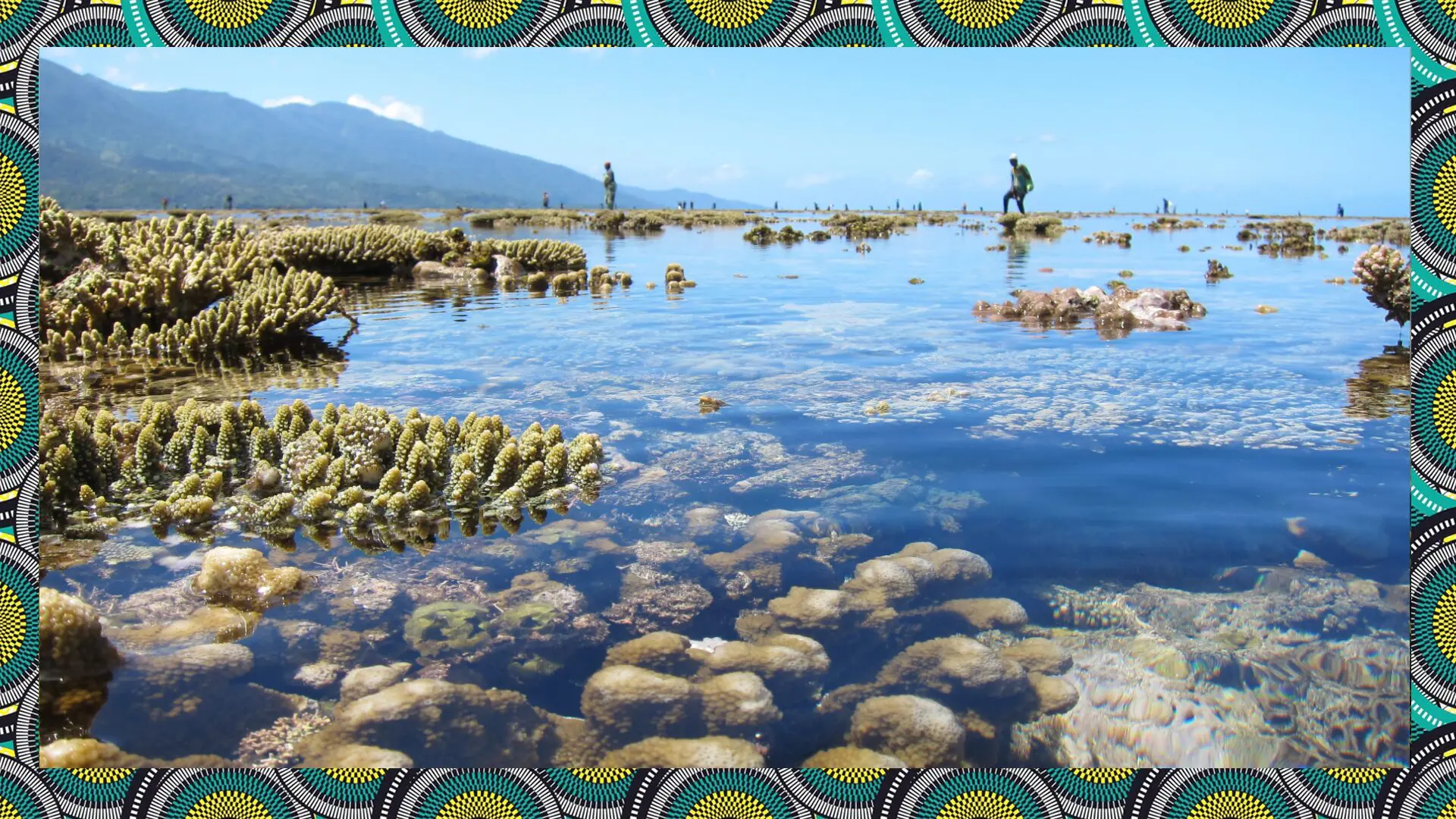
Estendendo-se da Somália até à África do Sul e atravessando até Madagáscar e às ilhas do Oceano Índico, o Oceano Índico Ocidental (WIO) é uma das regiões marinhas mais vitais — e ainda assim menos reconhecidas — do planeta. Alberga algumas das mais ricas biodiversidades do mundo: recifes de coral que abrigam mais de 2.200 espécies de peixes; mais de 30 mamíferos marinhos; vastas florestas de mangal; e pradarias marinhas que funcionam como viveiros e armazenam grandes quantidades de carbono azul. Estes ecossistemas sustentam mais de 60 milhões de pessoas que vivem ao longo da costa e que dependem do oceano para alimentação, meios de subsistência e identidade cultural.
As águas da região geram uma estimativa de US$20 billion em bens e serviços todos os anos — desde as pescarias e o turismo até ao armazenamento de carbono e à proteção costeira. No entanto, esses mesmos ecossistemas ultrapassaram este ano um limiar alarmante ponto de rutura. O branqueamento dos corais, a sobrepesca por arrastões comerciais e o desenvolvimento costeiro estão a acelerar, enquanto as alterações climáticas estão a aquecer o WIO mais rapidamente do que a média global. O resultado é a diminuição das reservas de peixe, a erosão dos meios de subsistência e o aumento da vulnerabilidade das próprias comunidades que têm protegido estas águas ao longo de gerações.
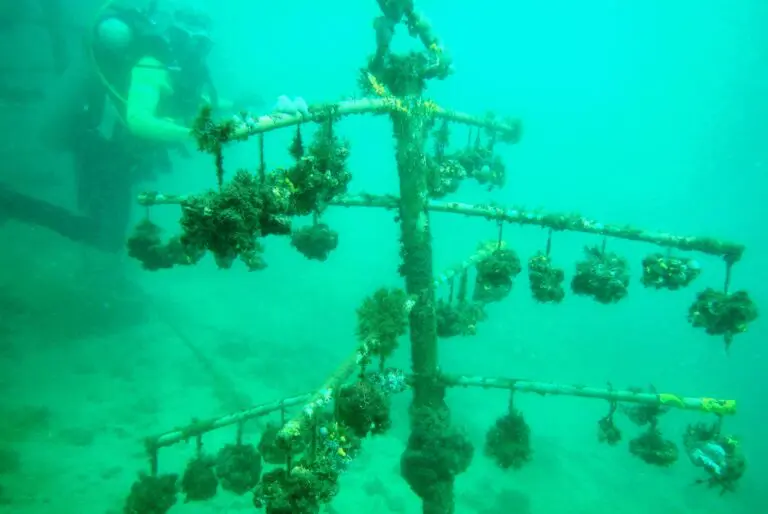
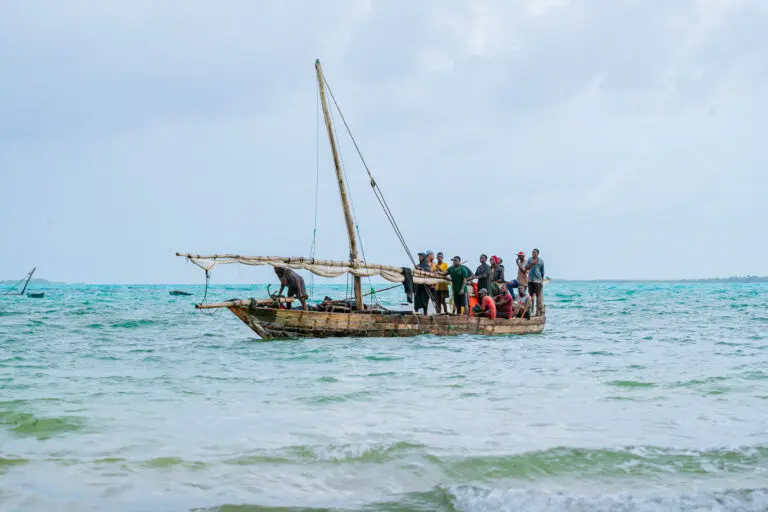
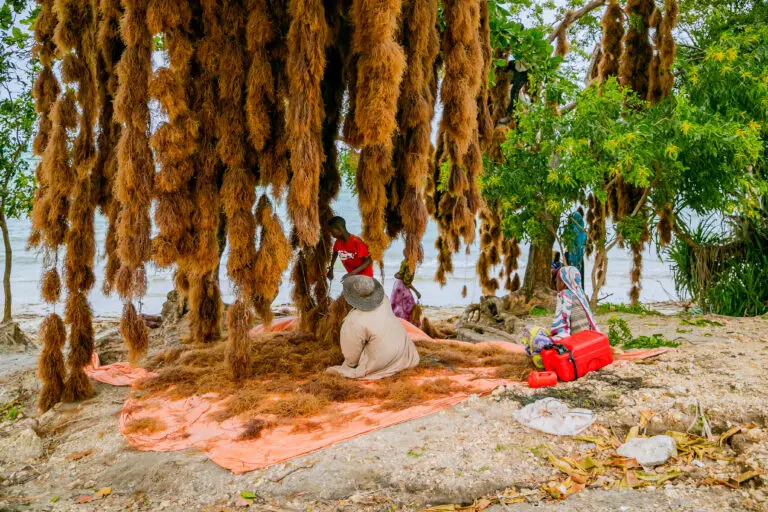
Apesar desta importância, a conservação marinha continua a receber apenas uma fração da atenção e do financiamento atribuídos aos ecossistemas terrestres. As florestas e as reservas de vida selvagem dominam as agendas globais, enquanto o oceano — vasto, complexo e em grande parte invisível — é muitas vezes negligenciado. No entanto, os mangais e as pradarias marinhas do WIO estão entre os mais sumidouros de carbono mais eficazes; os seus recifes protegem milhões de pessoas contra tempestades e inundações; e as suas pescarias alimentam nações inteiras. Proteger este oceano não é uma causa ambiental de nicho; é um imperativo social, económico e climático.
É por isso que a liderança que emerge da região é tão poderosa — e tão urgente. Em todo o WIO, uma nova geração de organizações locais está a demonstrar que, quando as comunidades costeiras lideram, a conservação torna-se simultaneamente uma solução climática e um movimento de justiça. Através de colaboração enraizada na confiança and shared learning, they are restoring ecosystems, strengthening resilience, and securing a future for the western Indian ocean and the people who depend on it.
The idea for the Community Marine Leaders Hub was born within a trusted network, the African Marine Conservation Leadership Programme (AMCLP). Facilitated by Maliasili and supported by Blue Ventures, AMCLP equips senior marine conservation leaders with the skills to understand themselves, better support their teams, and catalyze impactful collaborations. Over the years, it has built a community bound by trust and shared purpose – exactly the foundation needed to drive collective action.
“The African Marine Conservation Leadership Program, and our other programs, are really about creating the kind of space where collaboration can actually take root,” said Richard Ndiga, “When leaders from different places come together and spend time learning, talking openly and unpacking challenges, something important happens – trust starts to build. Once you have trust, everything follows. People begin to see the bigger picture, understand each others’ realities, and recognize where they align. That’s when you start to see real joint problem-solving and genuine collective action.”
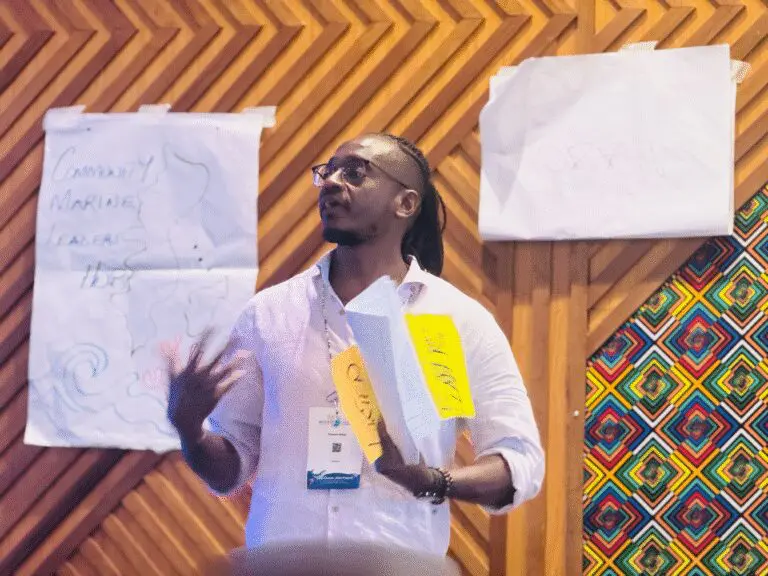
When AMCLP alumni and other marine organizations met online in January 2025, they recognized that WIOMSA, the region’s most influential marine platform, had long been a space where science dominated the conversation. While initiatives at previous symposiums had begun to incorporate community perspectives, this network saw an opportunity to go further and create a space led by communities themselves.
That shared vision came alive a month later at a planning workshop in Diani, where AMCLP alumni and partners – Mwambao, COMRED, LaMCOT, Ação pelo Oceano, Reefolution, Bahari Hai, and others – as well as Kenyan fishing community leaders, gathered to design how to shift power in practice.
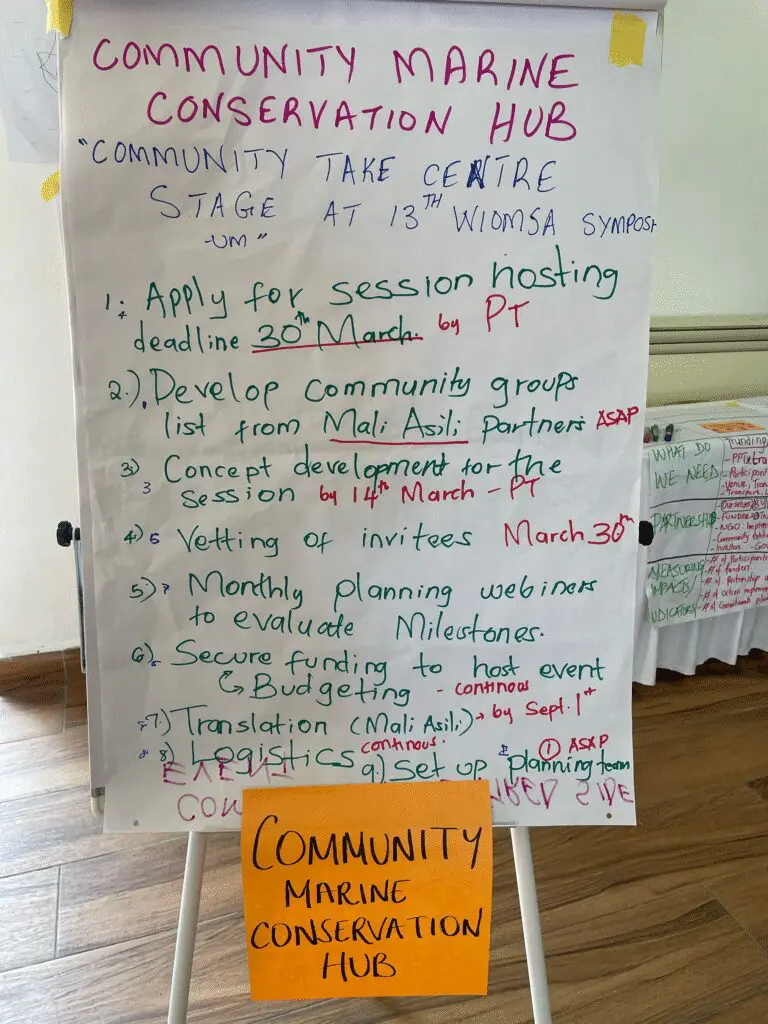
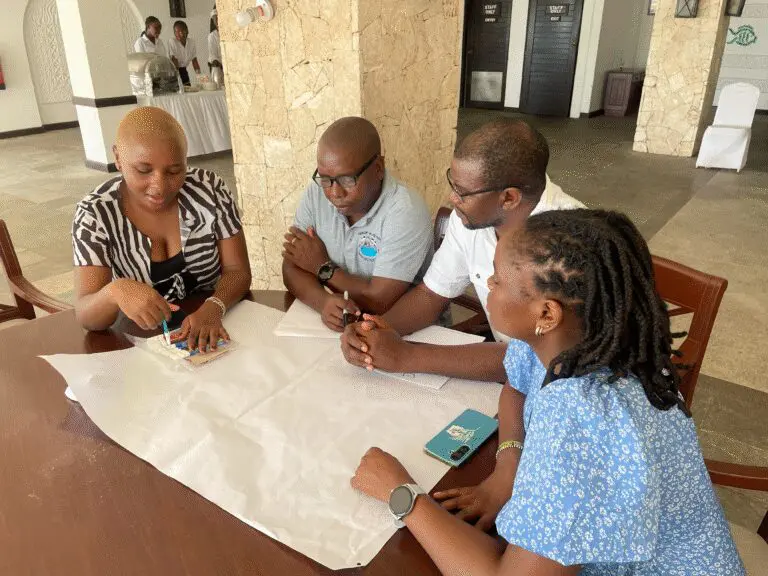
Sticky notes covered the walls as they mapped ideas: creative storytelling, youth engagement, fisher-led science, and community data sharing. What emerged was a bold plan to make WIOMSA 2025 more inclusive, participatory, and grounded in community realities.
Out of that process came three joint initiatives:
“Collective impact means documenting Indigenous knowledge and complementing it with modern science to come up with agreed solutions for better fisheries and sustainable conservation,” explained Gola Mohamed Juma. His work at Mwambao Coastal Community Network supports more than 50 coastal communities across Zanzibar and mainland Tanzania, representing over 25,000 people who manage reefs, fisheries and mangroves.
More than just logistics, these collaborations were a testament to what trust can build. As one partner reflected, “This was a great idea, carving out organizations with like-minded goals to come together. It should be a permanent feature of WIOMSA Symposiums.”
Marine conservation organizations across the WIO are reimagining what ocean stewardship looks like by centering local people in their work. In Tanzania, Action for Ocean has protected 8,000 hectares of mangroves under long-term conservation, combining blue carbon initiatives with livelihoods that benefit nearly 10,000 people. Sea Sense has protected 22,000 turtle eggs and guided 16,000 hatchlings to sea, all while restoring mangroves and turning former poachers into conservation champions.
In Kenya’s Kilifi County, Bahari Hai is inspiring a new generation of marine conservationists through youth-led conservation and education programs that have reached over 2,000 students and coastal youth. Meanwhile in Mozambique, AMA (Associação do Meio Ambiente) is restoring mangroves and seagrass meadows that protect coastlines, store carbon and sustain artisanal fishers, proving that caring for the ocean and improving livelihoods go hand-in-hand.

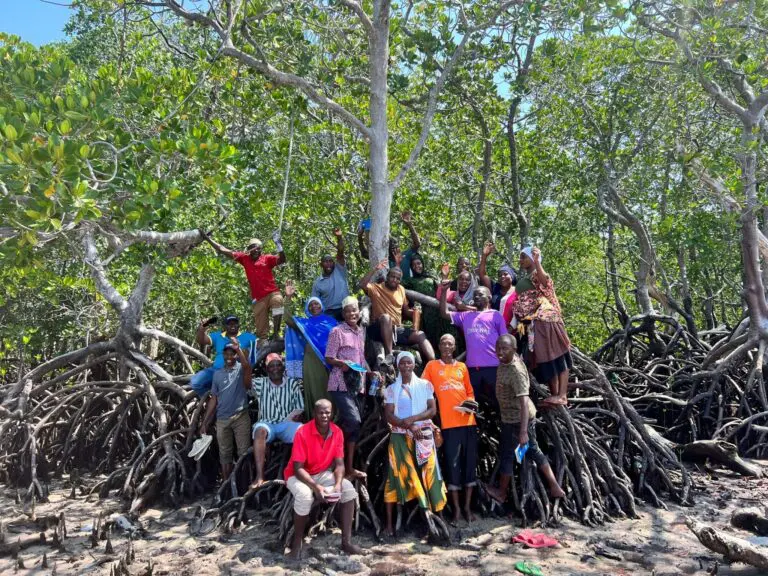

For the community leaders who travelled to Mombasa, the symposium wasn’t just another meeting – it was a moment of recognition.
“When I finished high school, my uncle, who was in the fish business, brought me into the trade,” says Ahmad Omar Said, secretary of the Mayungu Beach Management Unit (BMU) in Kenya’s Kwale county. “I became engaged not only as a fisher but also with a turtle conservation group. Now I work to bring in more community members.”
From Lamu, Ibrahim Masuo, the chair of Bandari BMU that works closely with LaMCOT, described what’s at stake. “As a crab fisher, the mangrove habitats we rely on have deteriorated due to logging. Many fishers face daily difficulties accessing fishing grounds with lower catches.”
Yet his community is leading the response. “We rely on Indigenous knowledge, which is also science,” Masuo said. “We sensitise fellow crab fishers to care for the burrows and rebuild them for crabs to recolonize.”
Their words carry the power of experience, proving that conservation is not something done for communities, but with them. “Traditional knowledge is also valuable,” Ahmad added. “We have to respect and apply it if we want to be successful in conservation.”
Women are also at the forefront of this shift, shaping a more resilient and inclusive approach. Joan Momanyi, Managing Director of CORDIO East Africa and a Lead Up alumna, believes that women’s leadership is the key to lasting change.
“Communities have always been the custodians of resources. Modern science should complement Indigenous knowledge because, in many instances, they align. The Community Marine Leaders Hub is facilitating this connection.”
She added, “When women are involved, conservation becomes inclusive – and when inclusivity is a value, trust is achieved because all voices are on the table.”
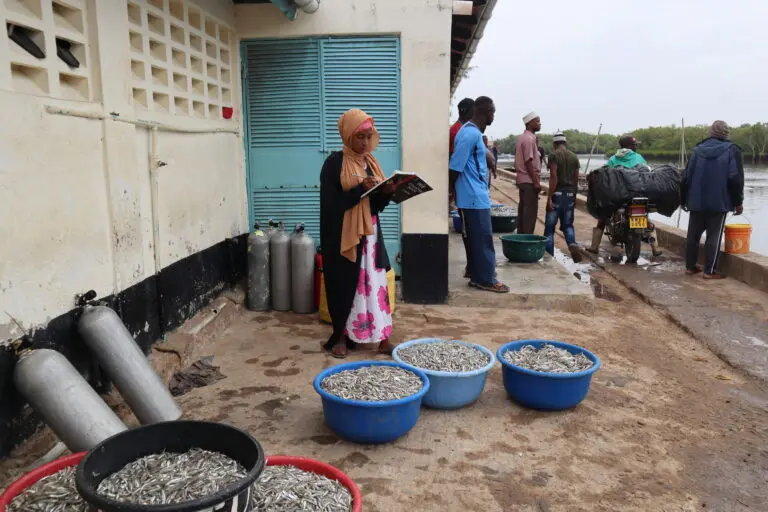
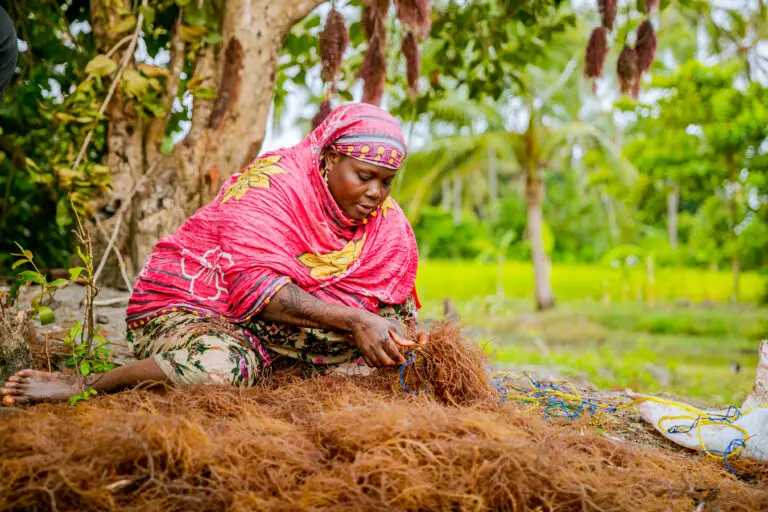
Gender equality is shifting slowly in many places along the seascape. In the Comoros Islands, Women are gaining influence. Dahari’s fisher associations have seen women rise to leadership, making up 70% of local resource managers and community monitors. In Kenya, COMRED’s eco-credit scheme is giving women access to finance and opportunity – issuing over 1,700 micro-loans and providing training for fish processing and trading to grow marine-based businesses sustainably.
By October, what began as a shared idea had become a movement. The Community Marine Leaders Hub turned into one of WIOMSA’s most inspiring sessions – a vibrant day-long experience where fishers, youth and community representatives took the stage to share lived experiences, lessons and hopes for the ocean’s future.
Marine organizations presented side by side, amplifying each other’s work. Over 70 leaders and allies came together for a networking cocktail that broke silos and forged new relationships. “It ensured inclusivity because community members were engaged and our voices were heard,” said one participant.
The Hub itself was designed as a learning space, not a panel – structured around storytelling, dialogue and creative co-design rather than formal presentations. Fishers shared how traditional knowledge guided their practices; poetry, art and theatre reflected community resilience; and scientists joined group discussions to co-create ideas for inclusive conservation models. Each interaction built understanding, showing that when knowledge flows in all directions, stronger solutions emerge.
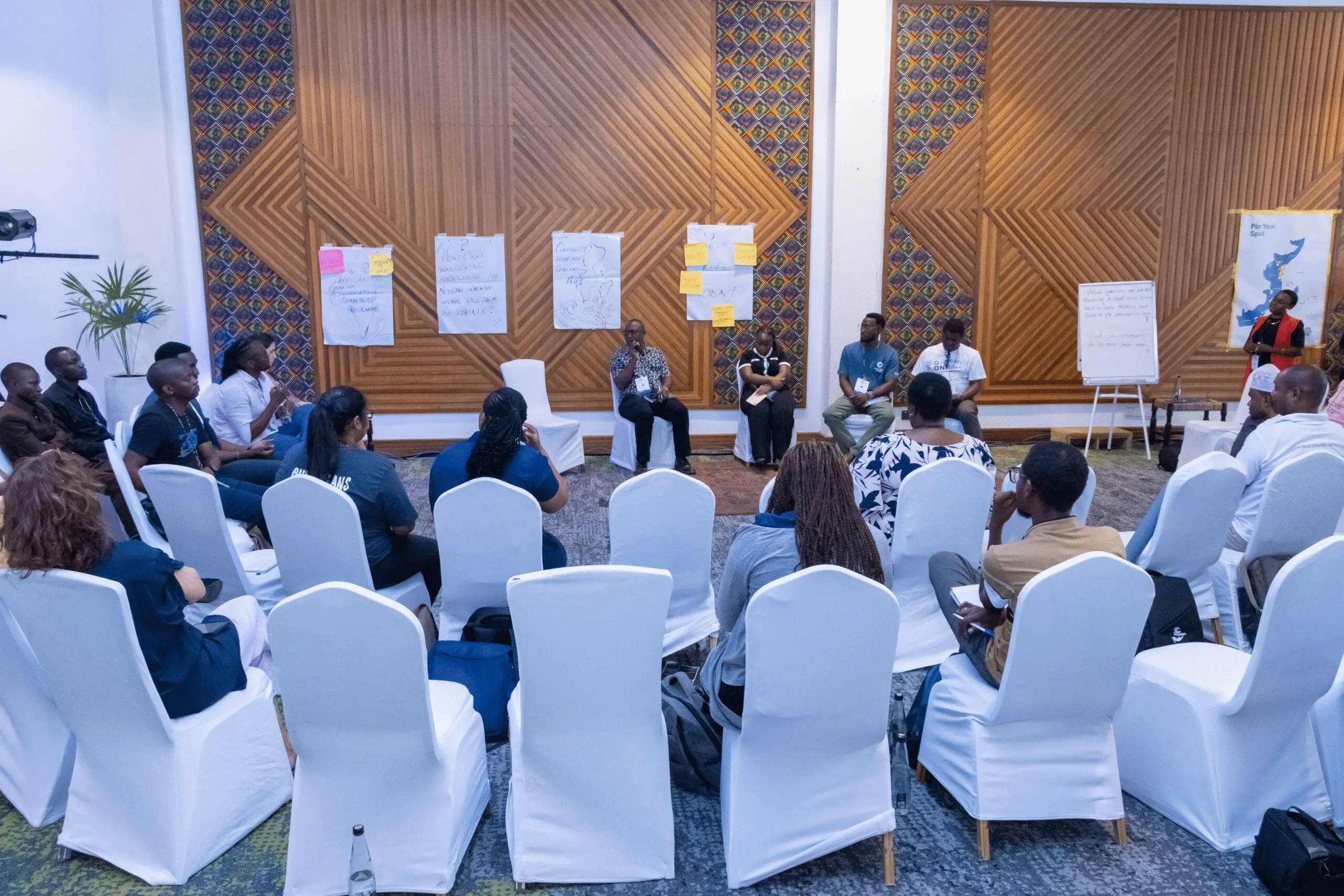
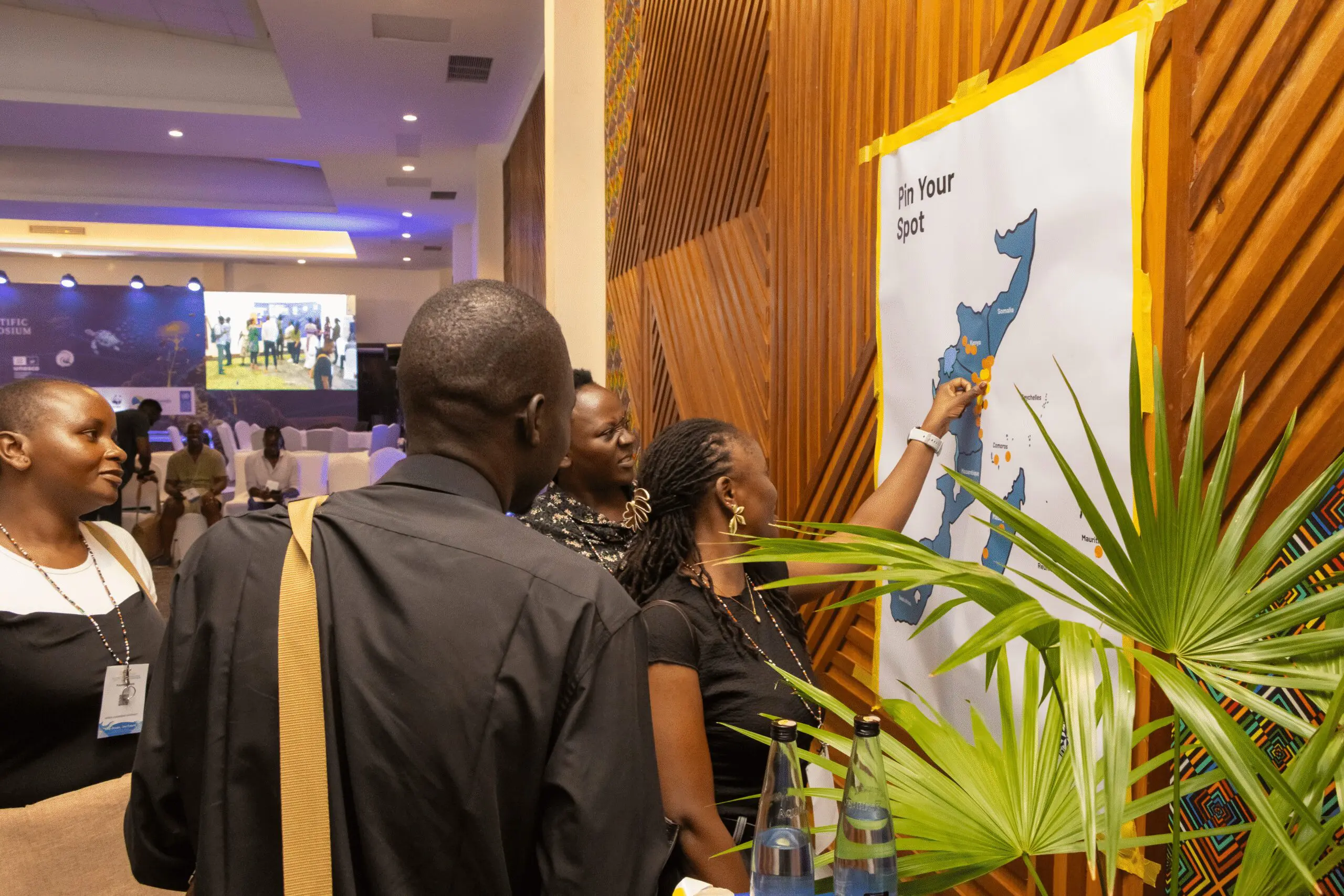


Importantly, the Hub connected local action to global frameworks – including the Nairobi Convention, African Blue Economy Strategy and the Post-2020 Global Biodiversity Framework – positioning community leadership as central to regional governance and climate goals. Among the outcomes were calls to formalize community participation in marine governance, ensure that women and youth have decision-making roles, and establish a regional financing mechanism to channel more resources directly to community-led conservation.
The success of the day also reflects WIOMSA’s growing commitment to inclusion – recognizing that the future of marine science depends on meaningful collaboration with the people live and work closest to the ocean. By opening its doors to wider community leadership, WIOMSA has set an important precedent for how scientific convenings can evolve into platforms for shared learning and collective action.
For many, this collaboration illustrated something bigger: when leaders convene around shared purpose, they can move entire systems. The trust built through AMCLP became the foundation for a new model of collective impact, one that will continue shaping marine conservation in the region.
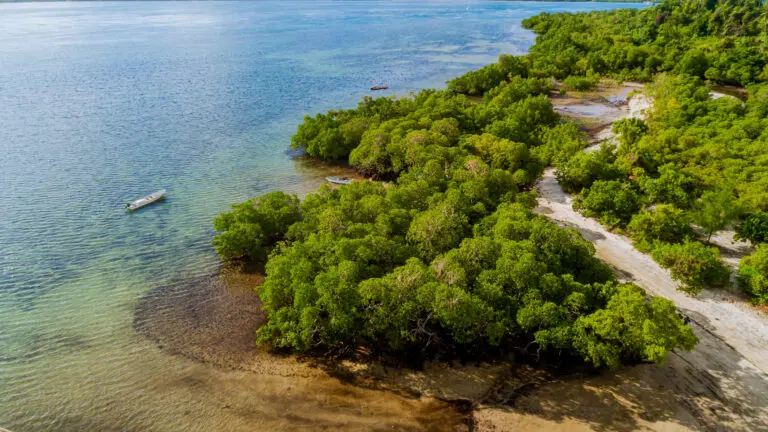
The Journey to WIOMSA doesn’t end in Mombasa – it’s only the beginning. Energized by the success of this year, the same partnerships that made this moment possible are already thinking about what’s next, including a Marine Leaders Network that will sustain collaboration and joint action to ensure a powerful community presence at regional events.
From youth groups to fisher associations, women’s cooperatives to blue-carbon projects, these organizations together form a living network of local leadership. Collectively, they support the protection and co-management of more than 200,000 hectares of reefs, mangroves and seagrass beds; engage tens of thousands of coastal residents; and are pioneering new pathways for sustainable livelihoods, education and climate resilience.

“The health of our ocean is the link that connects us as a region, and it’s the strength of our communities that keeps that link unbroken. When we connect people, align our policies, and share our data, we move beyond conservation to collective stewardship,” said Catherine Nchimbi, Senior Portfolio Manager at Malasili. “A united ocean community doesn’t just protect the sea; it secures our shared future. WIOMSA created a space where we were reminded that without the community, the ocean cannot thrive.”
This is the future of marine conservation: communities leading, science listening, and the ocean thriving – not because of one organization, but because of all of them, working together.