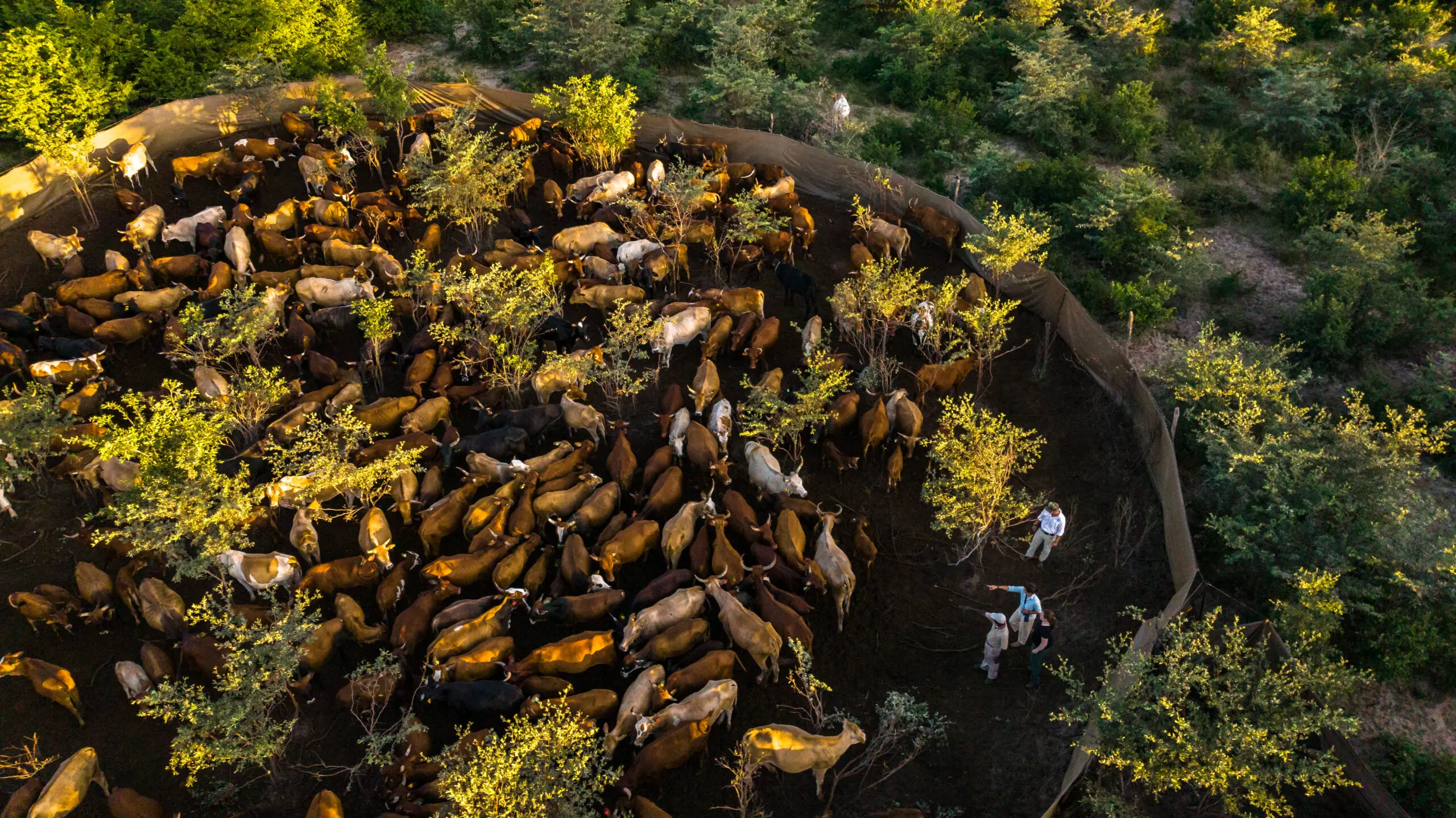
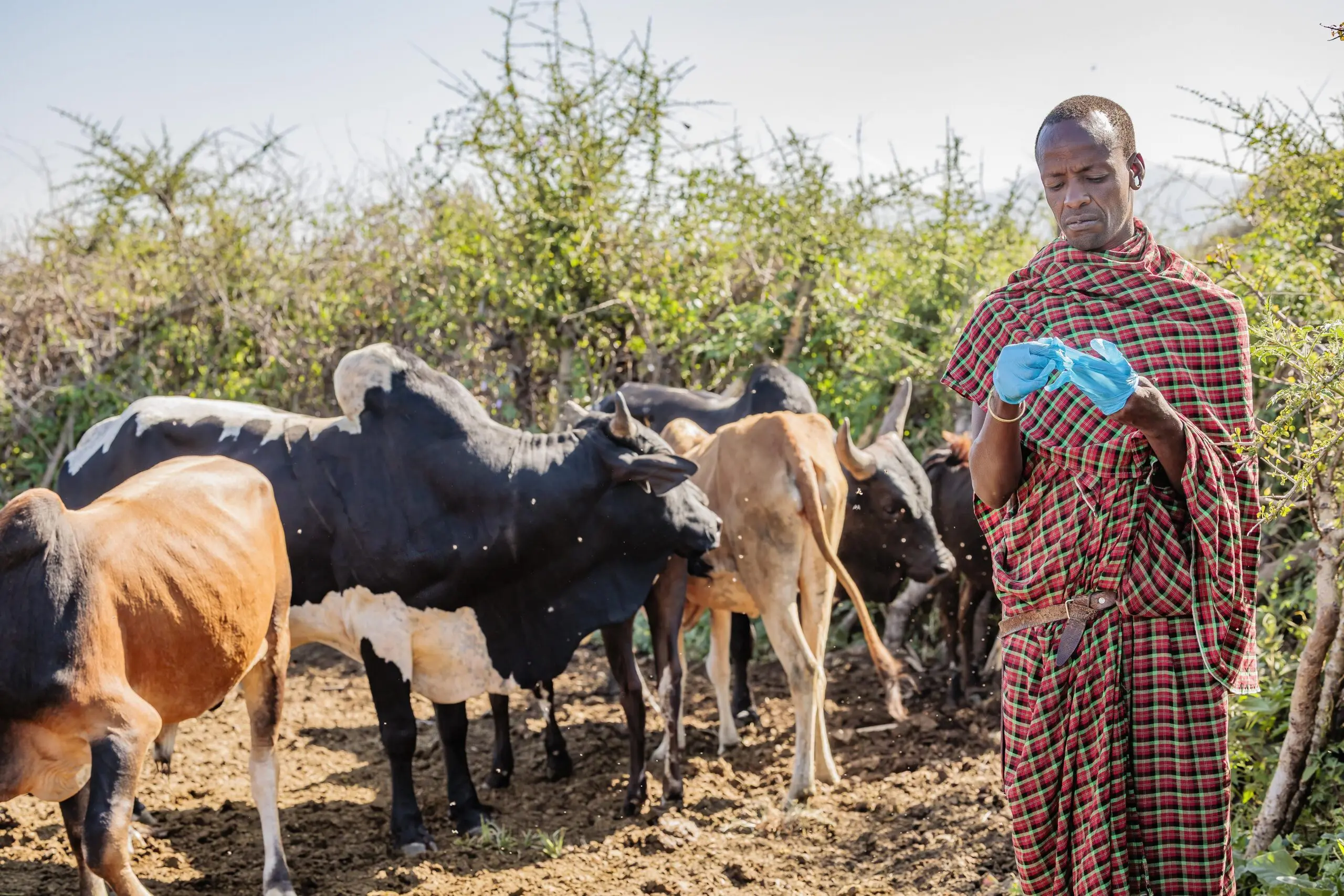
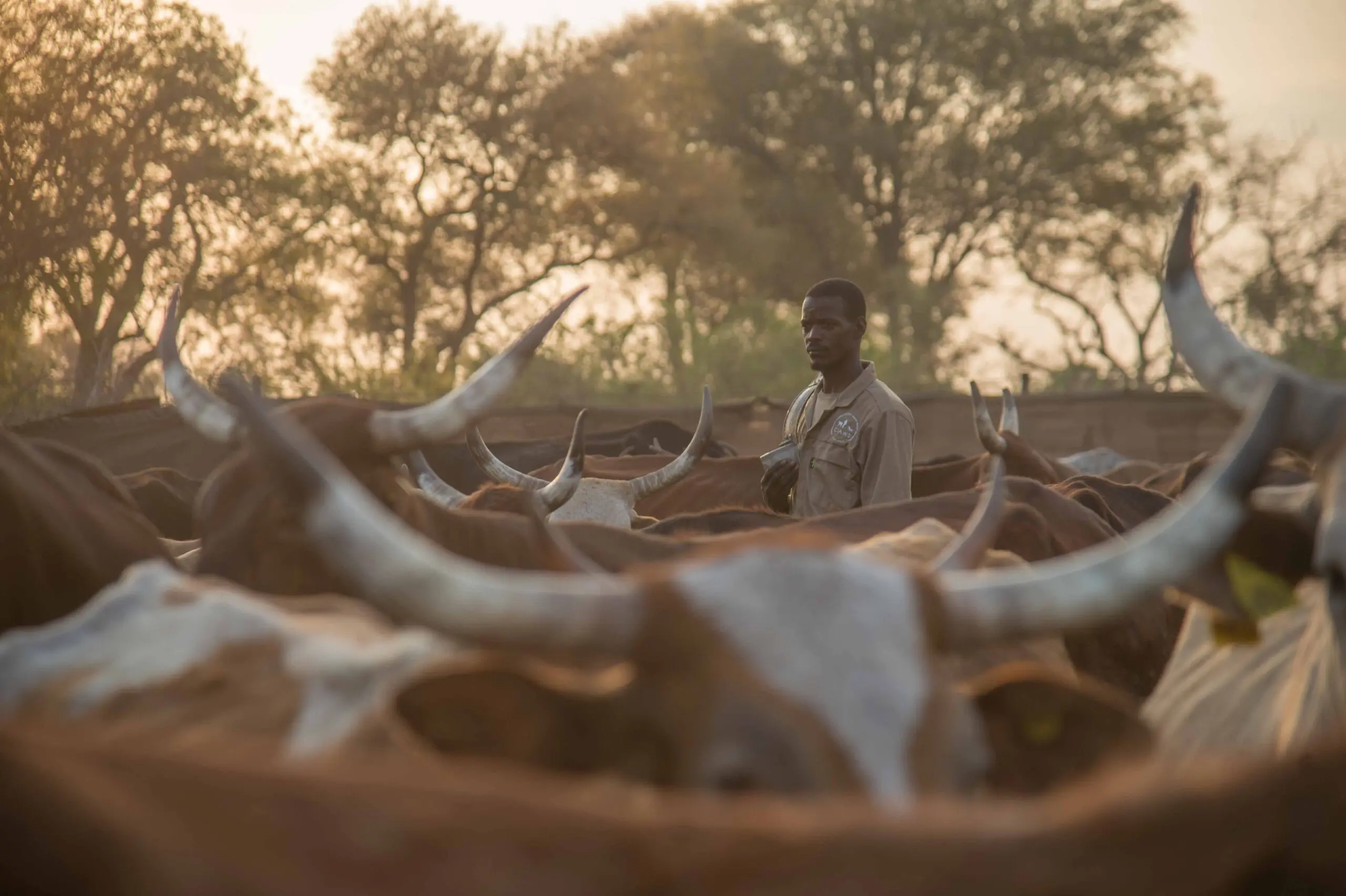
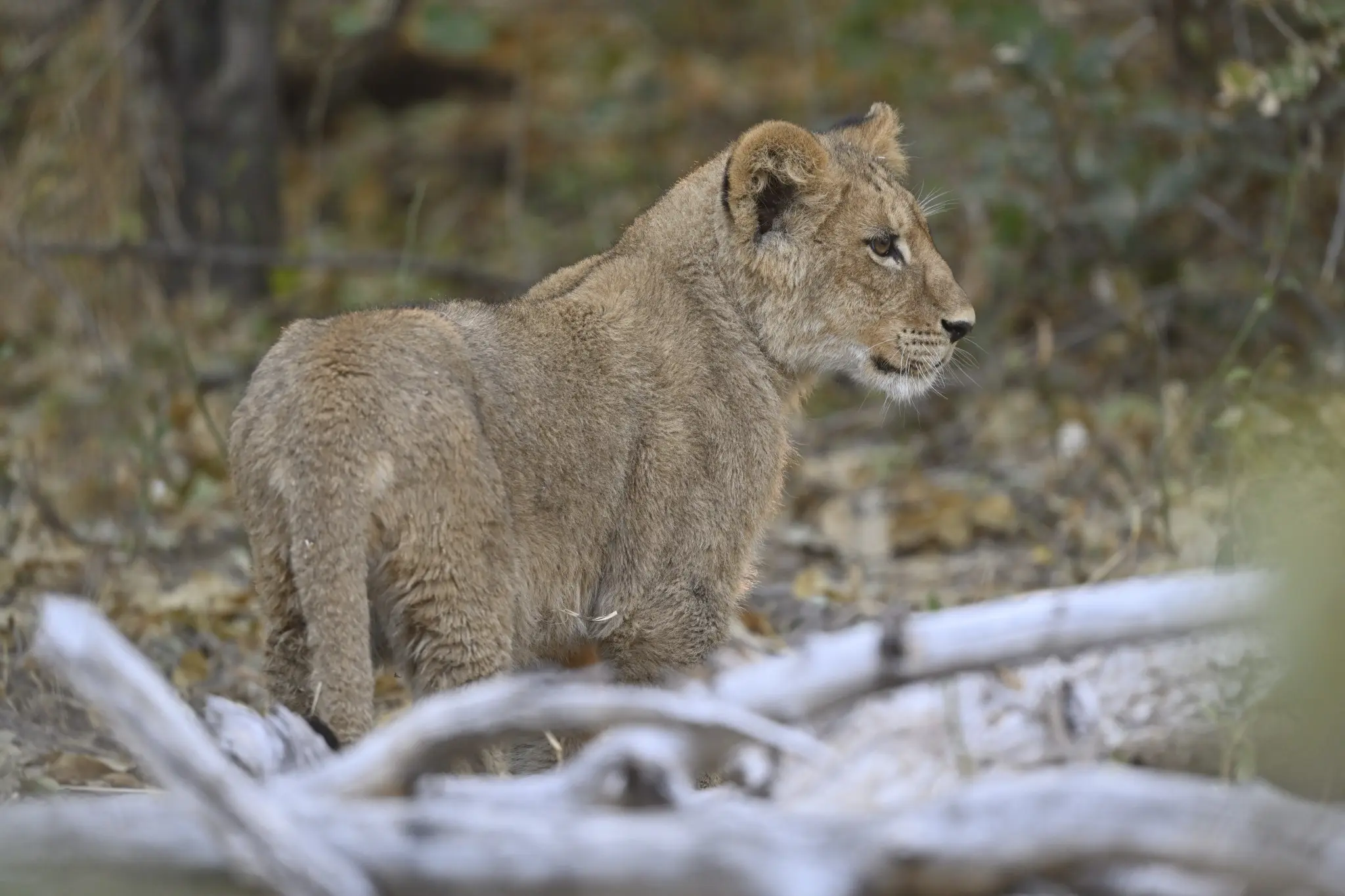
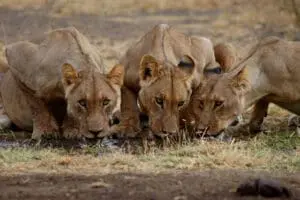
Lions have long been associated with strength, courage, and charisma. From The Lion King to African folklore, and national emblems to sports mascots, they have captured the imaginations of people worldwide. But for those who live alongside them in Africa, the story is far more complex. For many pastoralist communities, livestock is their livelihood; worth more than just money, it is food, social and cultural status, and family security. Living with lions means living with the constant threat that a single predator could wipe out a family’s wealth in one night – or worse, injure or kill a loved one, fueling deep resentment.
Today, lions face this complicated reality alongside mounting threats: habitat loss and fragmentation, poaching to fuel the illegal wildlife trade, prey depletion, and escalating human-lion conflict. Listed as Vulnerable on the IUCN Red List, the species has lost half its population in the last 25 years and now occupies only 10% of its historic range, with only an estimated 25,000 lions remaining in the wild. Their survival depends not only on protecting wild spaces, but also on reimagining how people and predators can live side-by-side. Amidst this challenge, community-driven approaches are beginning to shift the narrative.
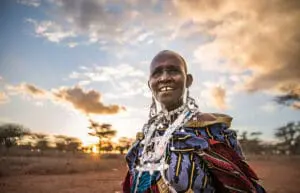
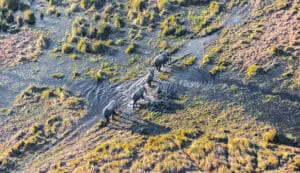
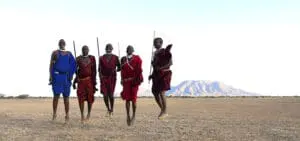
In this photo essay, we explore how, from Tanzania’s Maasai highlands to Botswana’s Okavango floodplains, our partners KopeLion and CLAWS are leading the change with local leadership, cultural insight, and practical innovation.