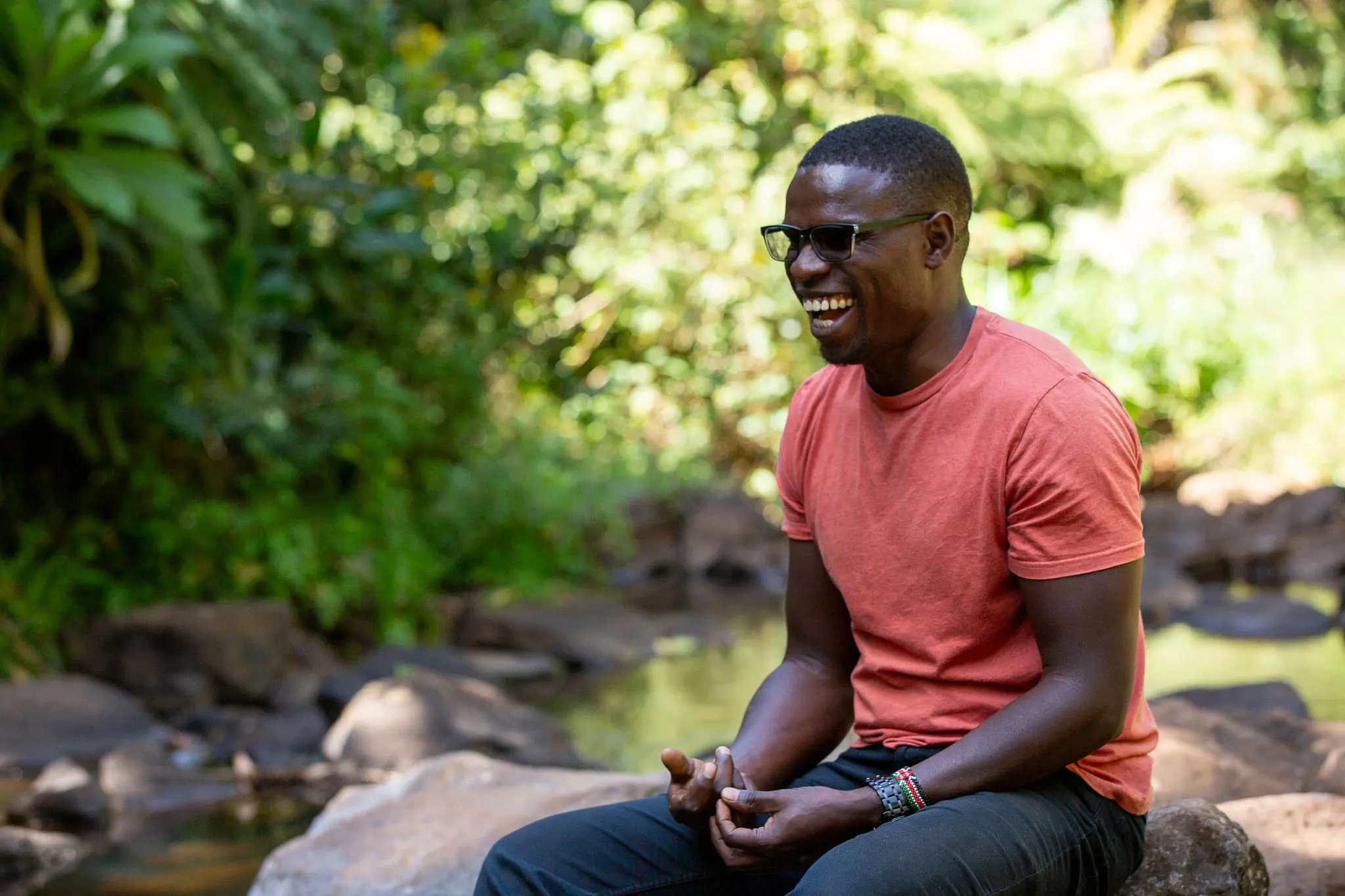
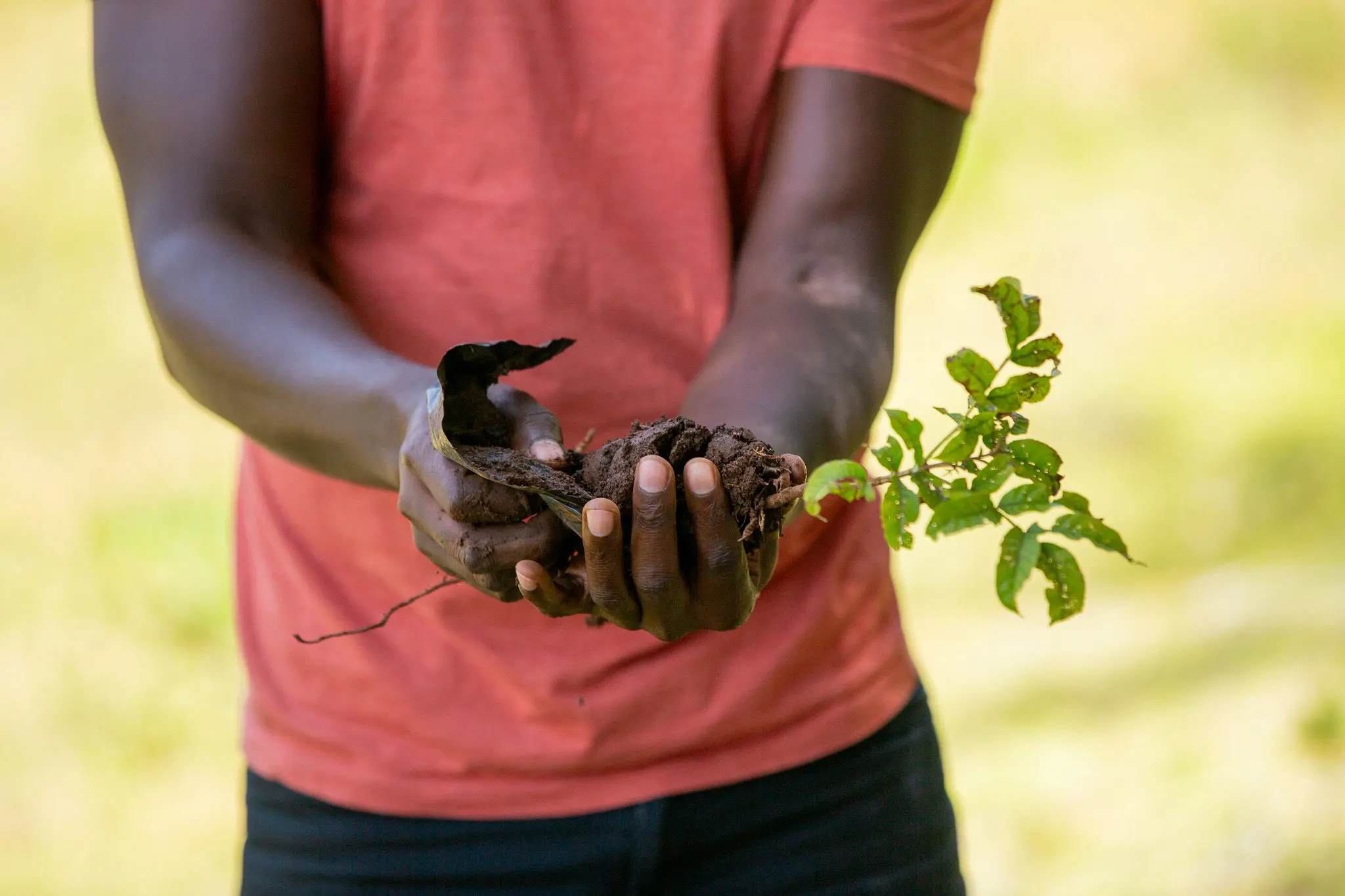
The Torok River is part of a much larger ecological system than the stream Kenfrey crossed as a child. It originates from the Cherangani Hills and is part of a broader network of Kenya’s key water towers, including the Mau Forest Complex. Collectively, these five ecosystems supply over 75% of Kenya’s water, underpinning agriculture, energy, and livelihoods across the country.
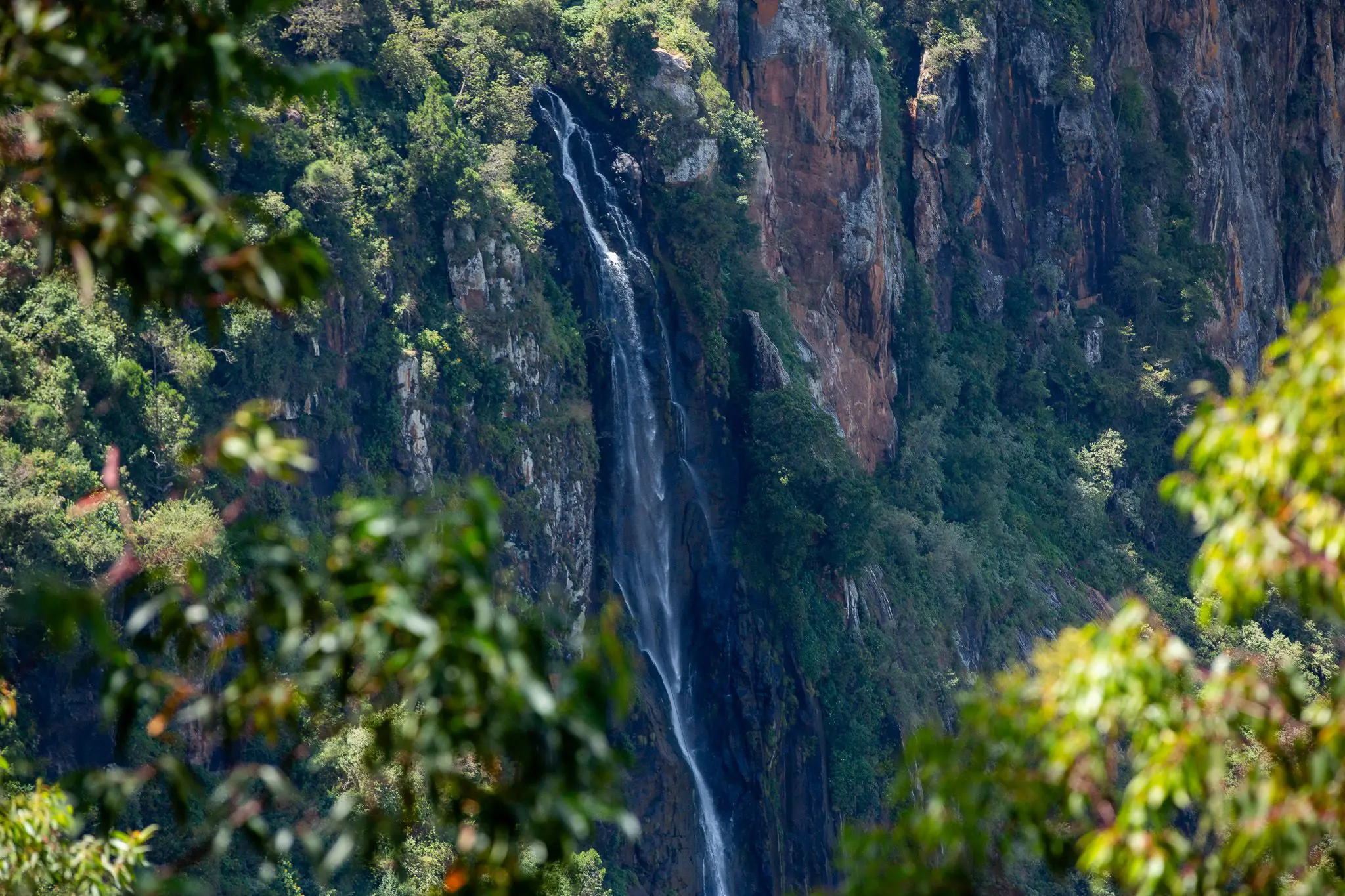
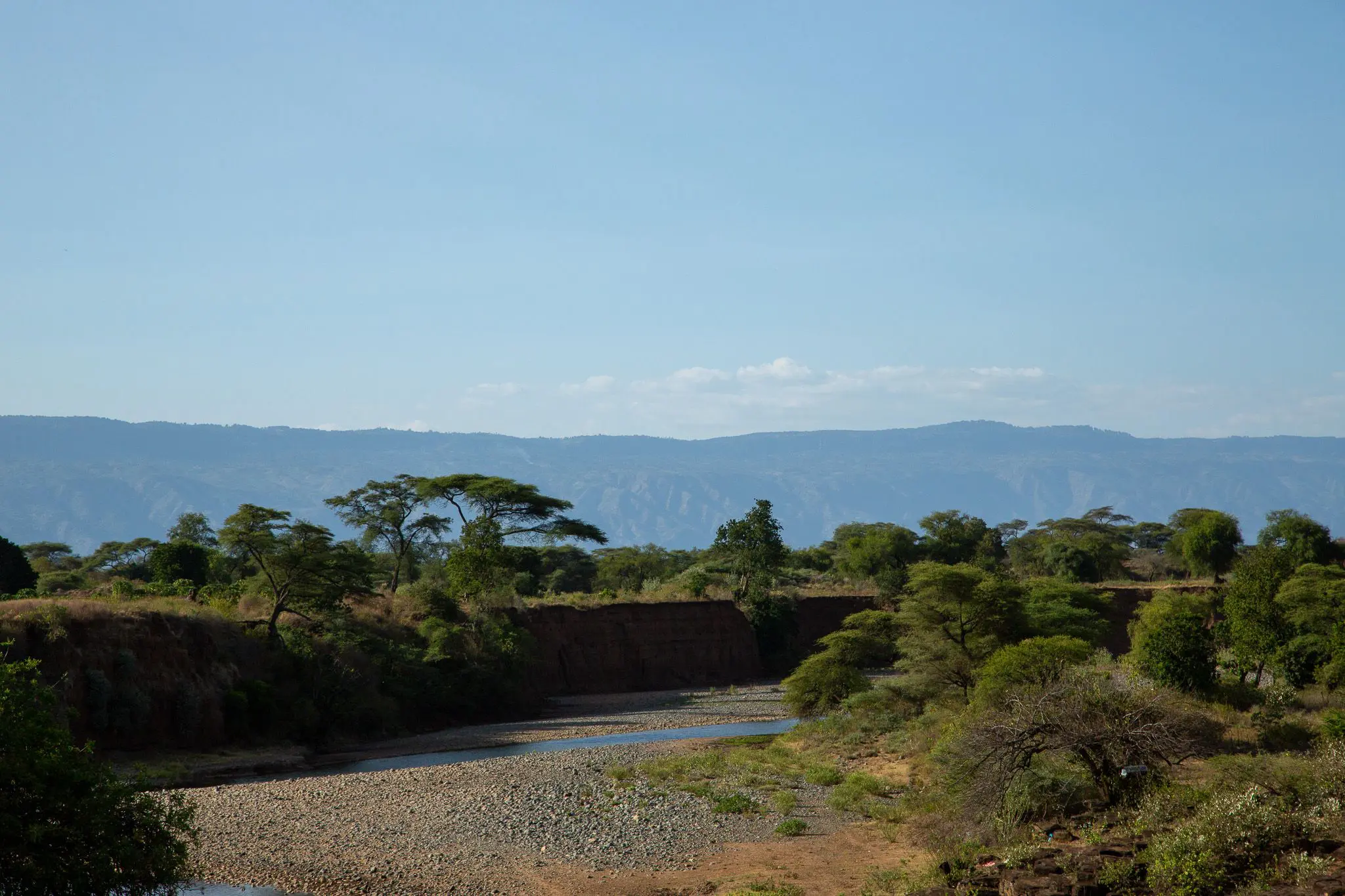
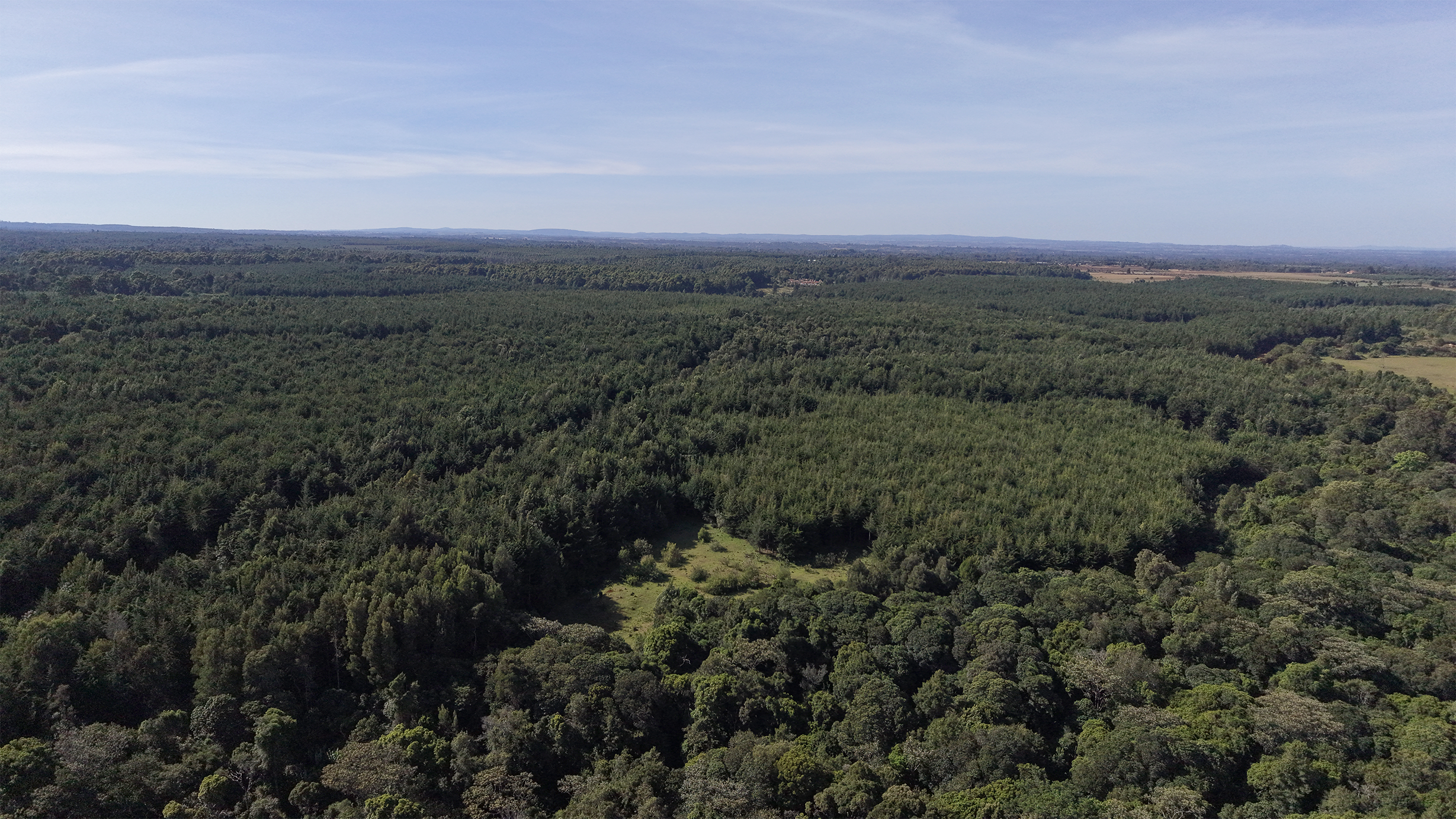
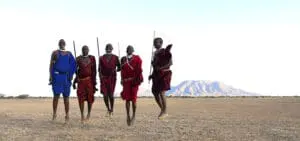
These highland forests regulate river flow, anchor soil and sustain ecosystems far downstream. Rivers originating here feed into Lake Victoria, the Nile Basin, and other ecosystems that stretch beyond Kenya. Even wildlife landscapes like the Maasai Mara depend on the water systems that originate in these highlands.
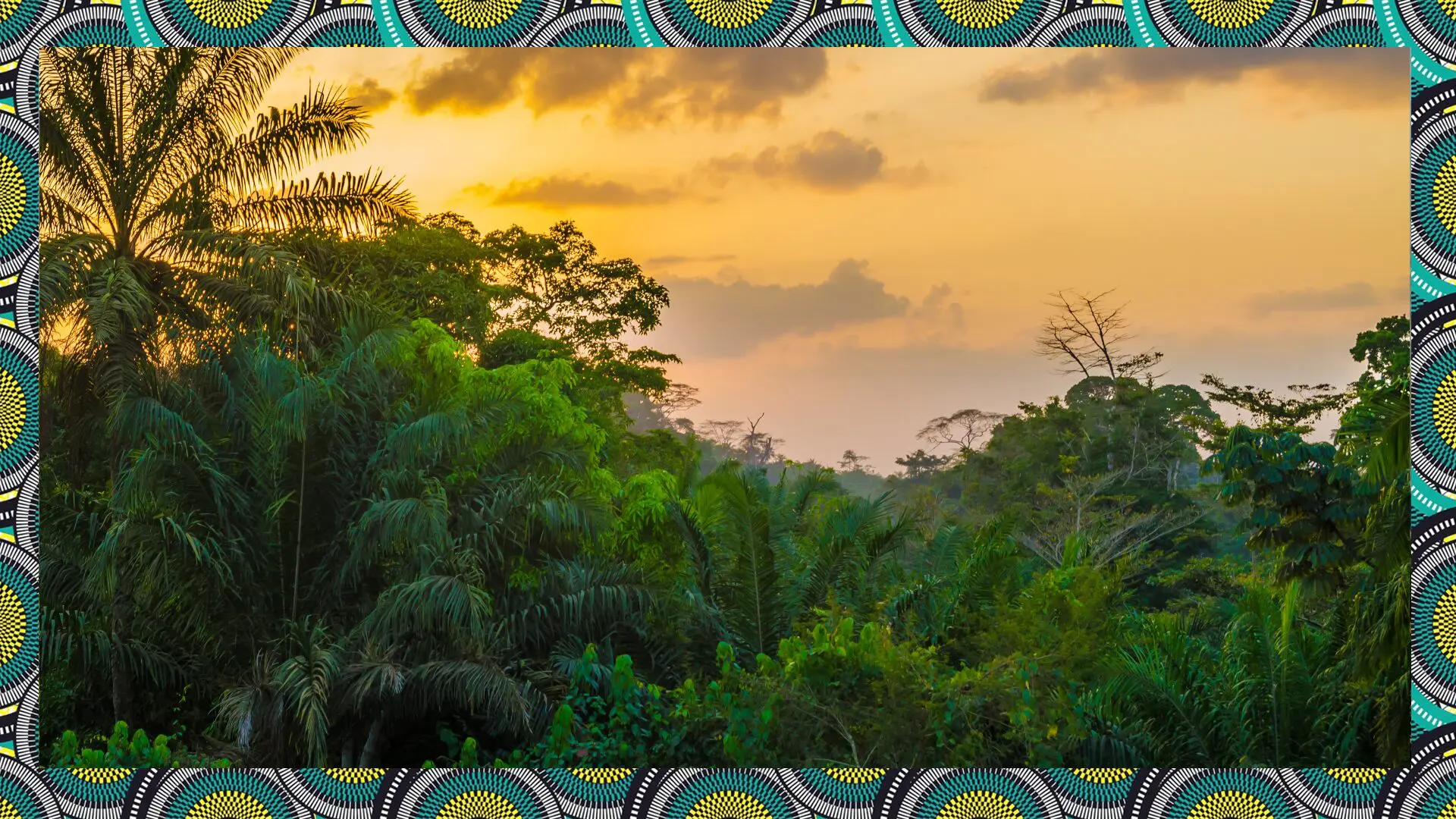
They form a connected system across forests, farms, rivers and communities. Over time, that system has come under strain. Across the Cherangani Hills, forest cover has declined by an estimated 13–14% in the last three decades. In the Mau Forest Complex, satellite data shows a loss of over 50,000 hectares between 2001 and 2022, driven by logging, agricultural expansion, and charcoal production.
Munro Katui, a SCOPE board member, has seen these changes unfold.
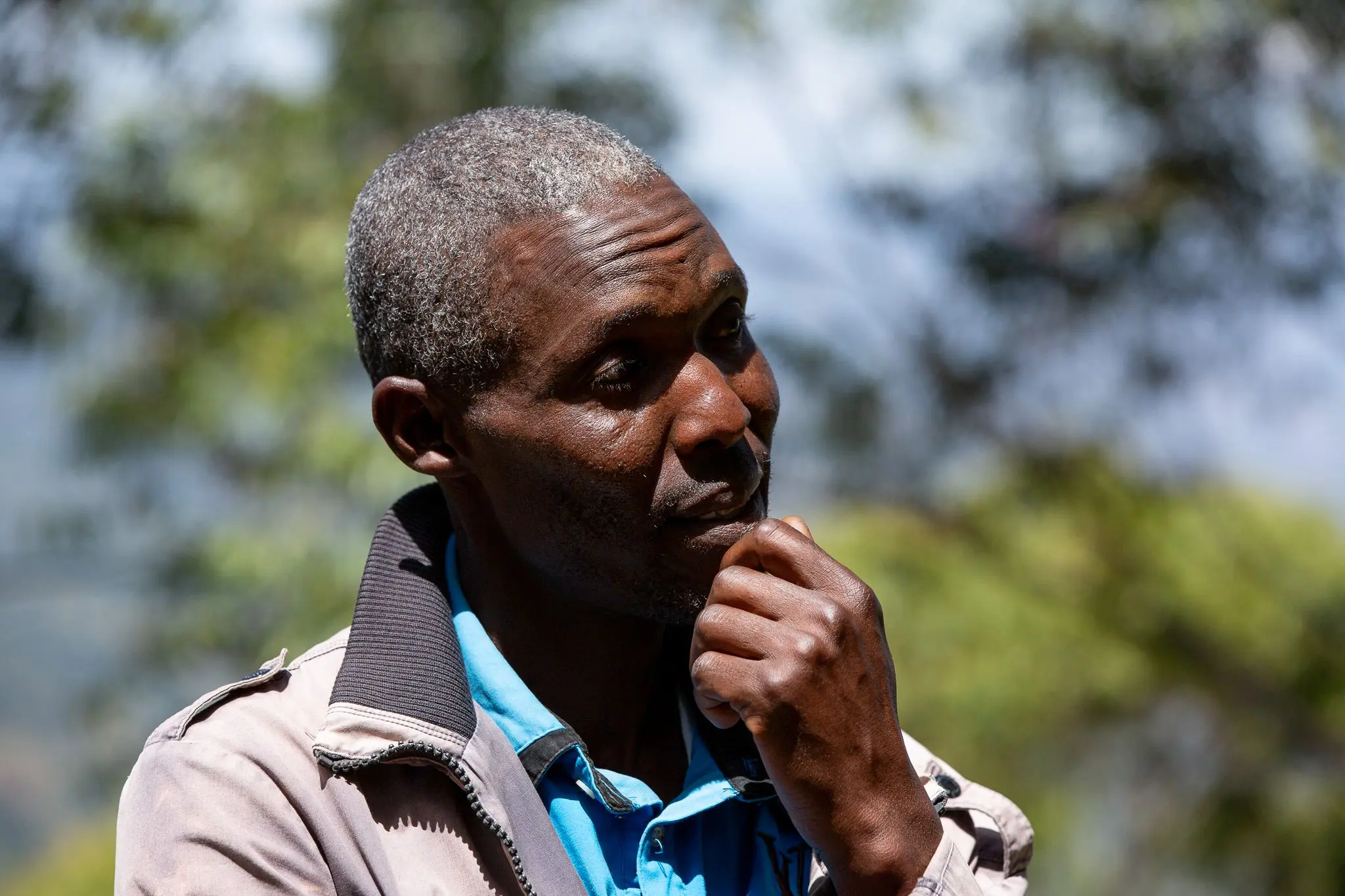
"When I was growing up here in the ‘80s, you could hear the Torok Falls roar from two or even three kilometers away. Now, there’s barely any water."
Munro Katui, SCOPE board memberThe shift is the result of a system that has gradually weakened. In 2025, landslides in part of the Kerio Valley had devastating consequences, including deaths from Kenfrey’s own community.
“Destruction takes time,” Kenfrey says. “And restoration takes even longer.”
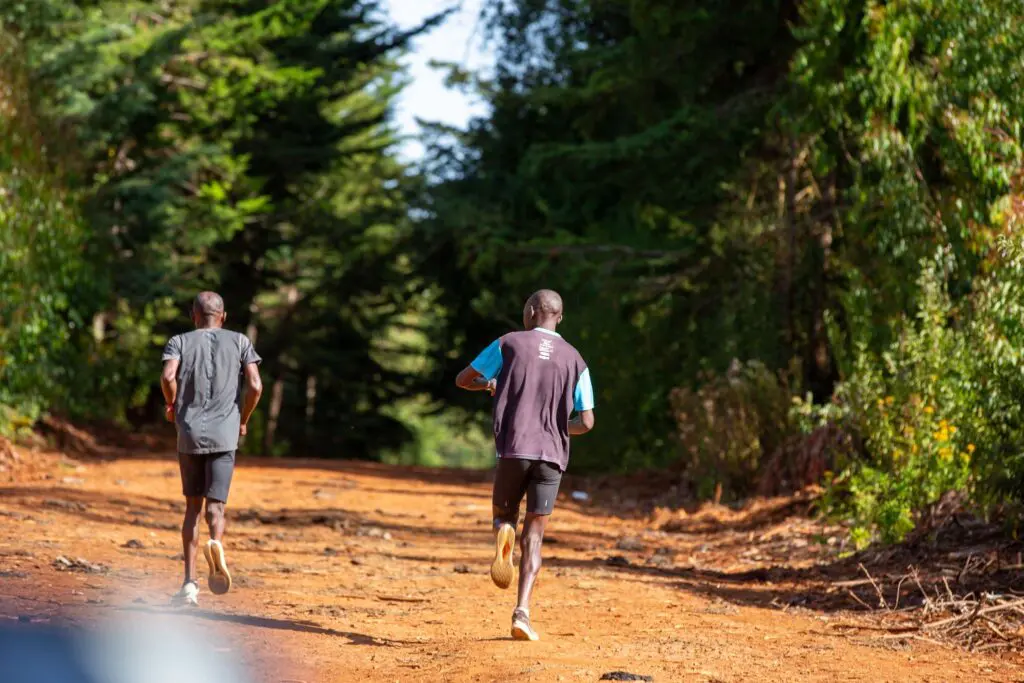
He leads a small team with big ambition. They have trialed many approaches across different areas of the landscape and have learned several lessons along the way. Now, SCOPE has clarified its vision. Their new strategic plan aims to prove that restoration can work when coordinated within a single linked landscape, with a model that could be replicated across the country and beyond. Rather than spread efforts thinly, it will focus on one connected ecological corridor – linking the Cherengani, Mau and the Kerio Valley, threaded by the Torok River. Their work is not a sprint. It’s a marathon.
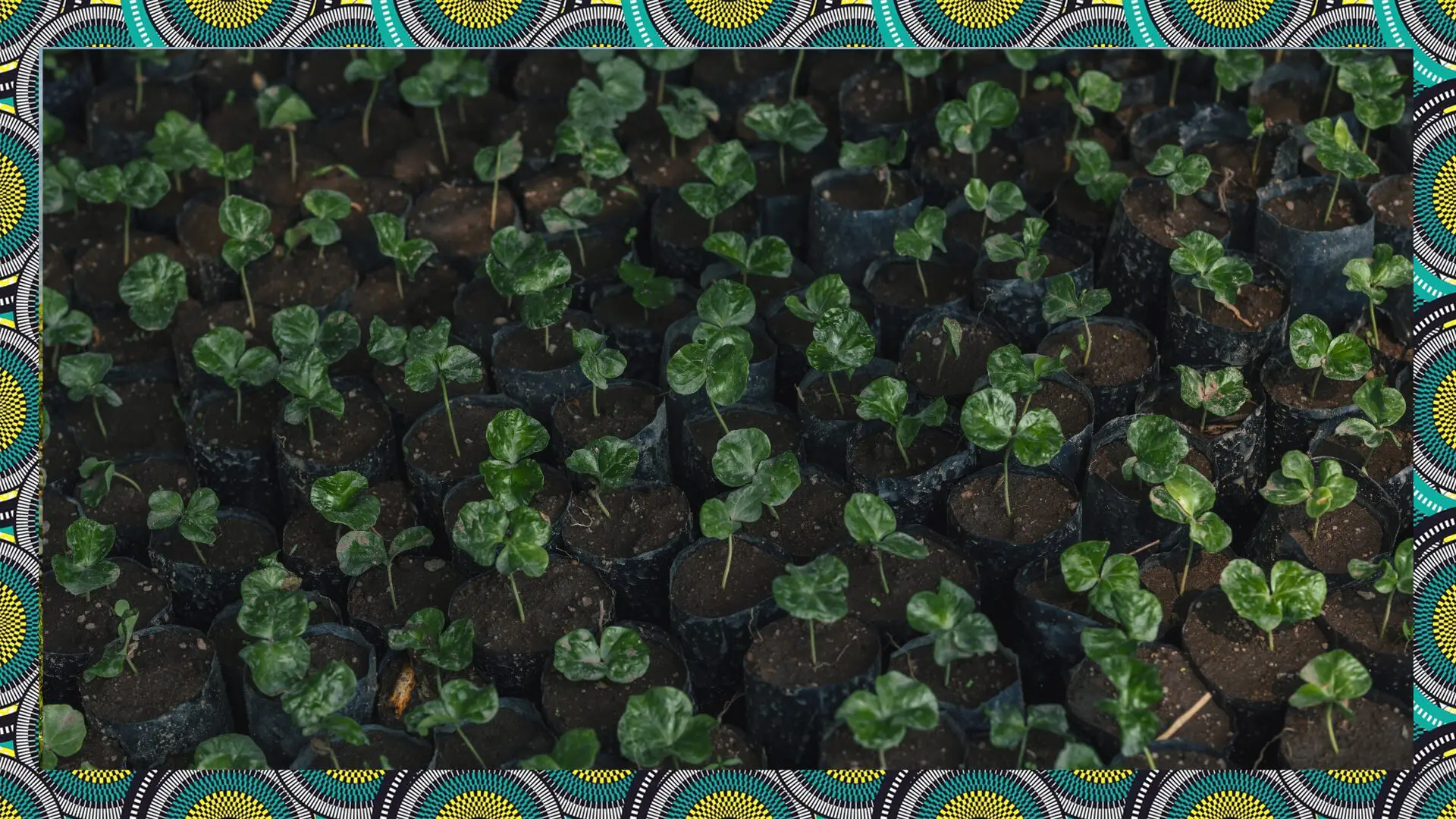
In Kaptagat Forest – a 3,000-hectare block at the meeting point of the Mau and Cherengani water towers – SCOPE works with farmers on small plots to restore the forest and livelihoods. They plant indigenous species like croton, cedar, podo and Nandi flame along the riparian line, and fruit trees intercropped with maize, beans and potatoes within their plots.
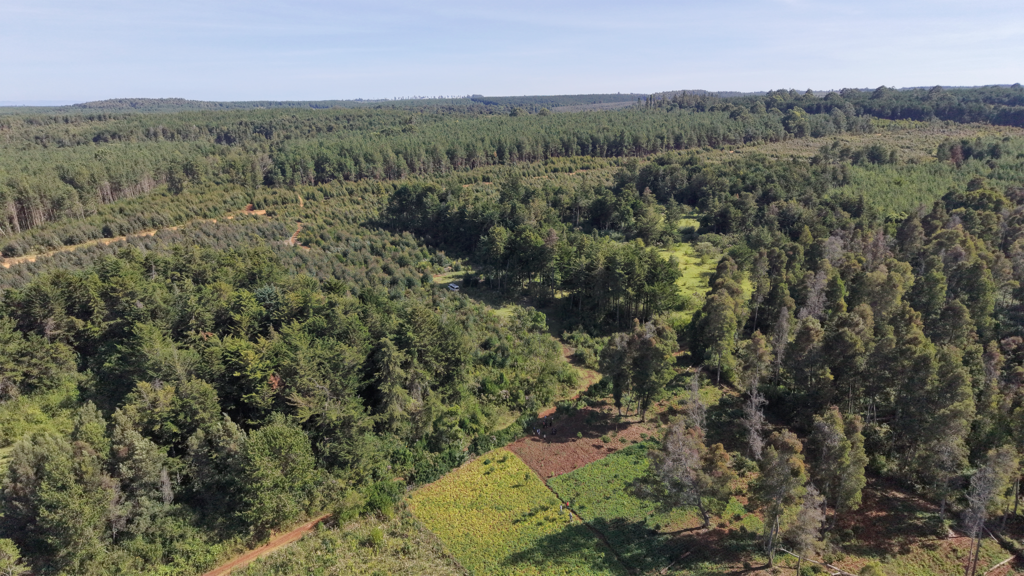
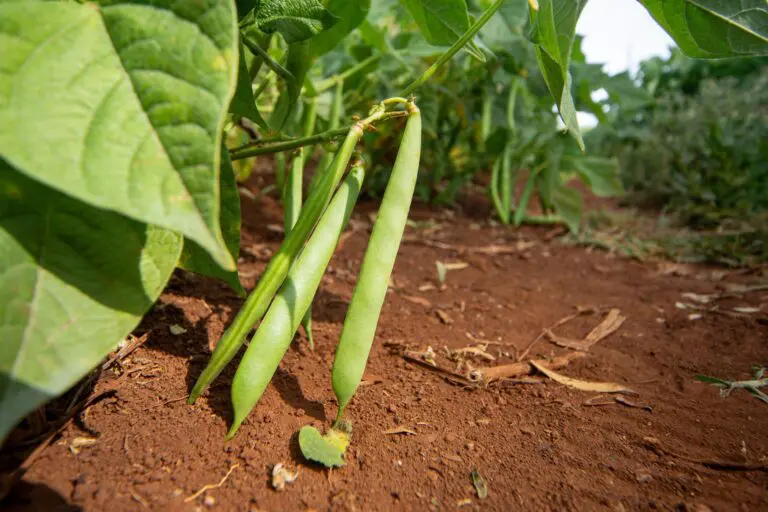
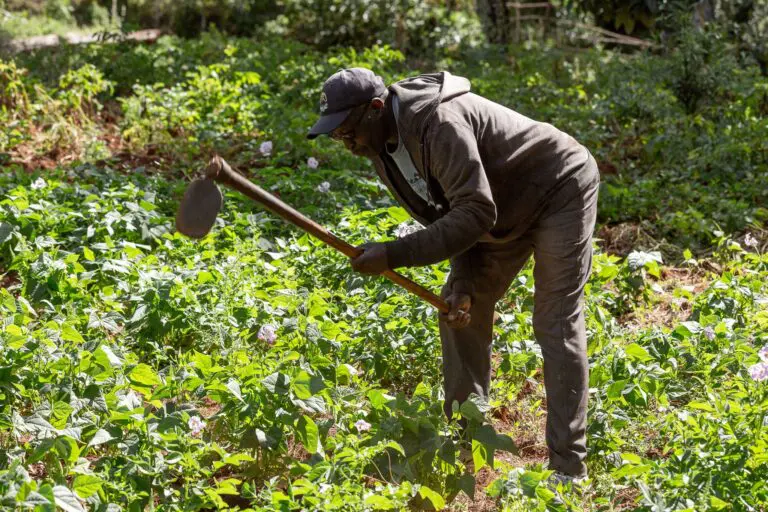

The distinction is intentional. Indigenous trees protect water catchments and stabilize soil, while fruit trees provide income, and other crops like maize and beans provide food for the families. One restores the system; the other reduces the livelihood pressure that would otherwise degrade it.
Mr. Njau, a farmer whose land borders the river in Kaptagat Forest, describes his approach in practical terms, insisting that restoration is an ongoing effort, not a one-time activity.
“When we plant Indigenous trees,” he says, “they reduce soil erosion… they bring back birds. We want to make sure the trees have 100% survival rate. Even if some don’t survive, we replace them with more seedlings given to us by SCOPE.”
His farm sits just 150 meters from the river, directly supporting the catchment that provides water to nearby Eldoret city and communities beyond.
But planting trees alone will not restore ecosystems. Along the Torok River and across the entire landscape, what determines whether restoration lasts is not how many trees are planted, but where they are planted and who is responsible for ensuring they stay in the ground to grow and thrive.
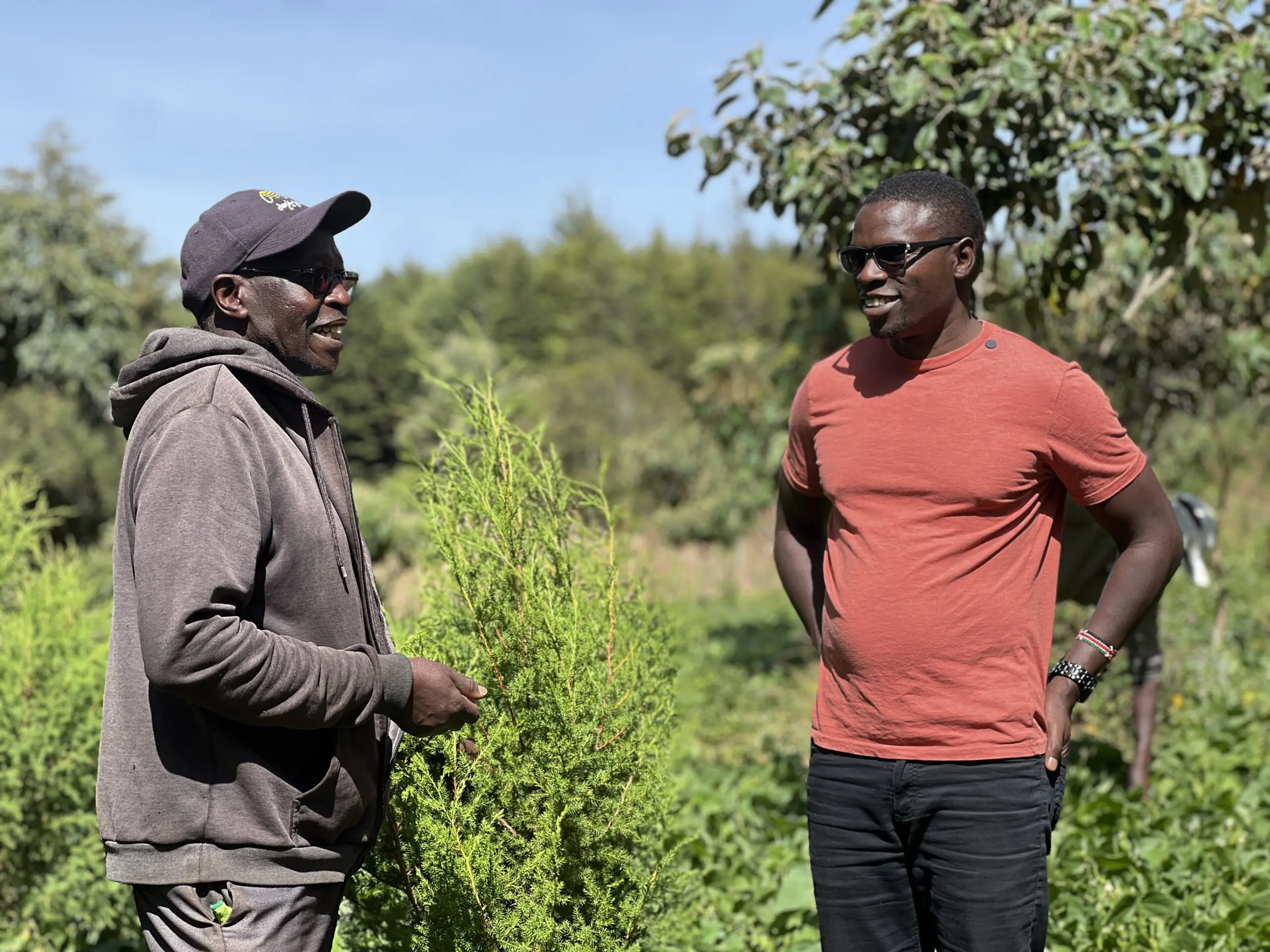
“Tree planting has been turned into a photo-op, but real restoration is about what survives long after the project ends.”
Kenfrey Kipchumba, SCOPE FounderCommunity Forest Associations (CFAs) and Water Resource Users Associations (WRUAs) are legally recognized local institutions under Kenya’s Forest Conservation and Management Act no. 34 of 2016. They bring people living near forests and rivers together, such as the communities SCOPE works with, and shape how land is used, how rivers are protected, and whether restored areas are maintained or cleared again.
Strengthening these structures is a core pillar of SCOPE’s work. These locally rooted institutions understand which species communities value, which livelihoods are viable, and how decisions are made at the ground level. That knowledge determines whether restoration is adopted or ignored.
“If [communities] feel the trees belong to SCOPE, it won’t work. If they say ‘these are our trees’, the work will last,” says Kenfrey.
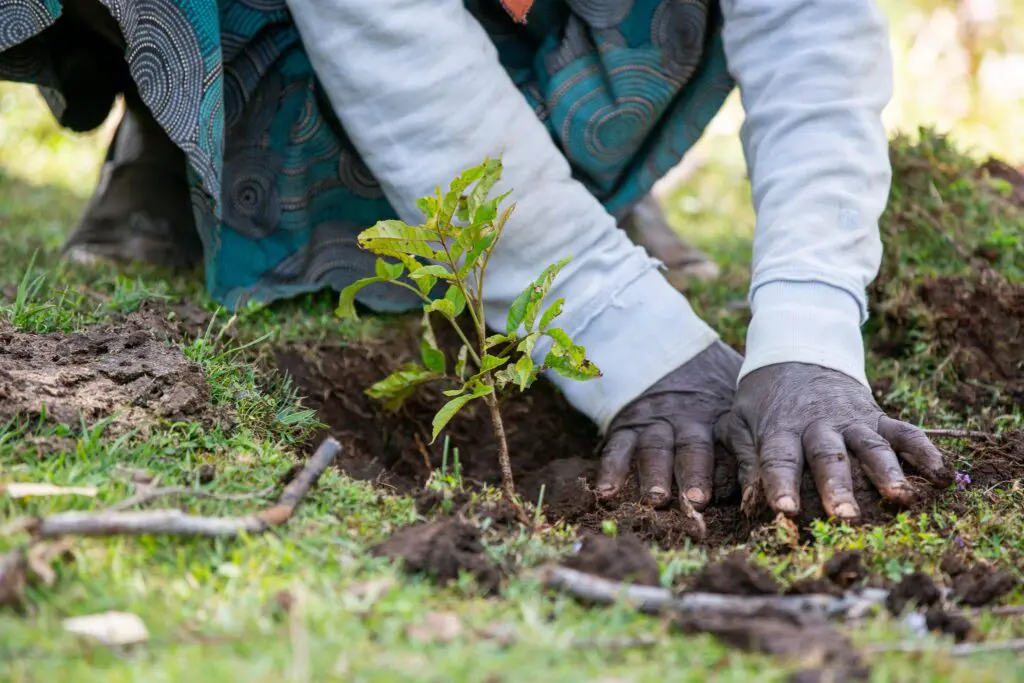
Even national policy recognizes this. Kenya’s restoration ambitions rely on community participation and decentralized governance. SCOPE’s work aligns directly with this – linking livelihoods, institutions, and ecological recovery so that restoration is not only implemented, but sustained. In Baringo County, for example, the County Government has already adopted SCOPE’s school orchard model, expanding it to more schools as part of its wider environmental efforts.
This model uses schools as entry points for restoration, planting fruit trees within agroforestry systems that combine trees, crops and local ecosystems. The orchards improve soil and water retention while providing nutritious food and additional income for households. By anchoring the model in schools, it spreads practical knowledge through children and into the wider community, shaping how land is managed over time.
No single organisation can restore a landscape of this scale alone. That would be impossible.
Communities upstream may never see the value of their actions downstream. Different areas operate under different governance and cultural systems. And restoration activities – from forest conservation to farm-level behaviour change – are often fragmented.
SCOPE’s model depends on partnerships that bring these pieces together. Through institutions such as the Kenya Forest Service and the Water Resources Authority, and through collaborative platforms like The Restoration Alliance – a regional movement advancing ecosystem restoration across the Rift Valley – actors working on different parts of the system are aligned toward the same goal.
In this context, restoration becomes coordinated rather than fragmented. Action taken in one part of the landscape reinforces efforts in other parts. Forest restoration connects with farm-level change. Governance structures link communities to national frameworks. Without that coordination, gains in one area are easily undone in another.
SCOPE’s work in this landscape has been gradual, shaped by persistence and adaptation. Over twelve years, they have restored 300 hectares across three sites and planted approximately 480,000 indigenous trees.
These numbers reflect steady progress, but they only tell one part of the story. What matters more is how the landscape is changing over time.
Elizabeth Kimutai, who has lived along the Torok River her entire life, has seen the changes across generations.
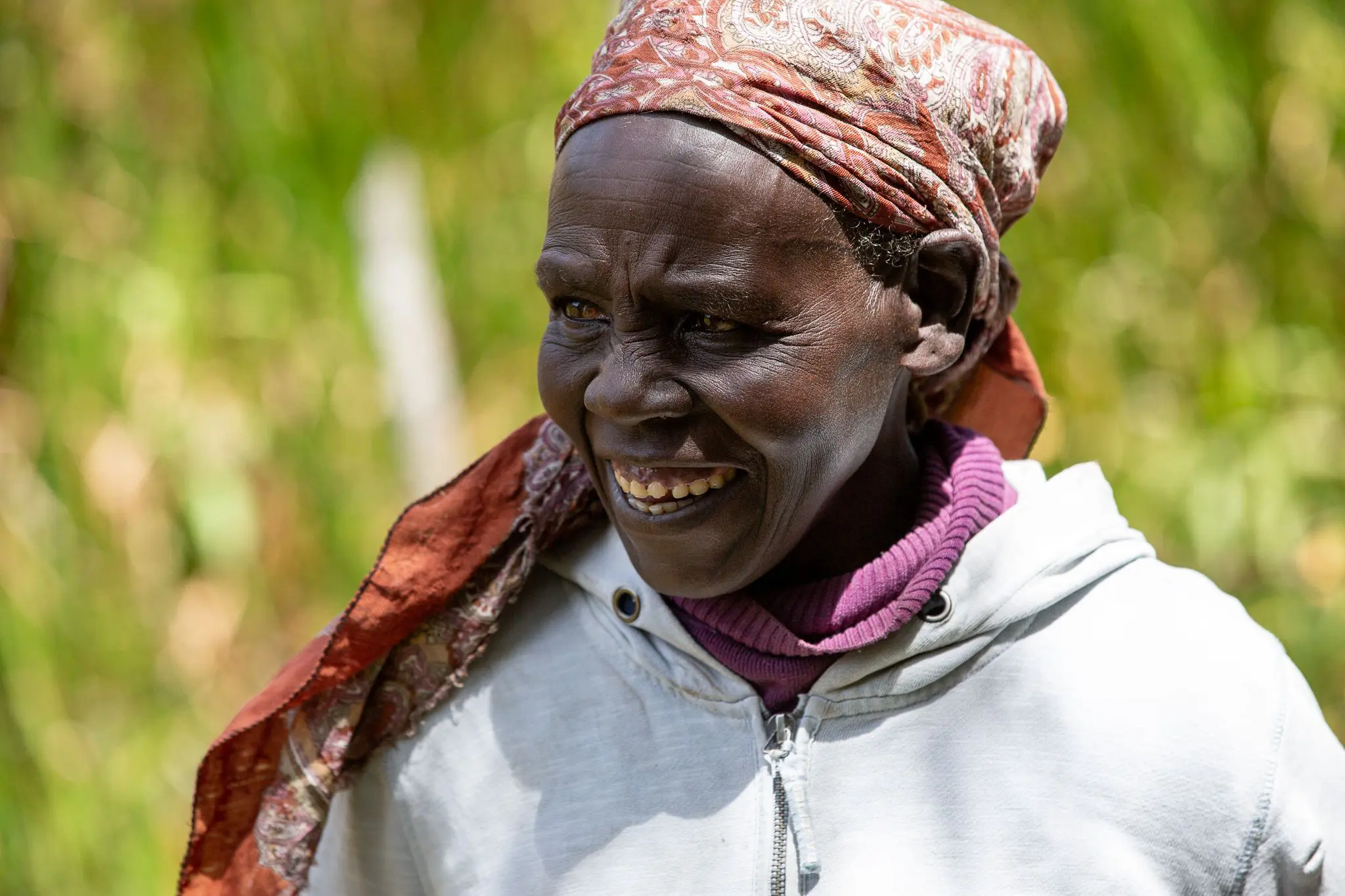
“Indigenous trees kept the rivers alive. When there were trees, there was enough rain. If we do not plant trees, people will suffer… our children will not have enough food.”
Elizabeth Kimutai, Farmer and resident of Torok River areaShe joined SCOPE’s restoration work in 2024, planting the trees she remembers from her childhood on her farm close to the Torok Falls.
The Falls may not roar as they once did. But along tributaries and farms, something else is taking root – a slower, more deliberate approach to care that is shaped by local knowledge, coordinated action and long-term commitment.
What is being rebuilt here is not only a river. It is a system of forests that hold water at the source, farms that determine how land is used, and institutions that ensure restoration lasts.
Because the systems are connected, their impact does not stop at the edge of the valley. What happens on these slopes influences landscapes far beyond them – shaping water security, food systems and ecological stability downstream.
What is happening here reflects a wider shift – a growing global movement of local restoration efforts working across connected landscapes, not in isolation. SCOPE’s work is rooted in one place, but it is part of that wider system, where local action repeated across landscapes begins to shape global climate outcomes.
Like a marathon takes time, the outcome will not be decided in a single season. It will be measured in whether the system holds – stable rivers, better livelihoods and a next generation that inherits a functioning, sustaining and thriving landscape.
Nos dernières actualités et opinions
Des histoires inspirantes de notre équipe et de nos partenaires
Notre travail présenté dans des médias externes
Des mises à jour régulières de notre équipe et de nos partenaires