At the southeastern tip of Angola, in the provinces of Cuando and Cubango, the scars of war still marked the land. For nearly three decades, this was one of the fiercest frontlines of Angola’s civil conflict. When the fighting finally stopped in 2002, the silence that followed was not peace – it was emptiness. The animals were gone. Fields lay barren. Families returned to villages they barely recognized, trying to rebuild a life from dust and memory.
Among them was Antonio Chipita, an Angolan conservationist and former nurse who had spent the war treating the wounded in makeshift clinics.

“I am a nurse by profession. During the war, I worked in health posts, helping people in very difficult times. After the war ended, I continued to see how people were suffering – hunger, poverty, no jobs, no future. I wanted to help them in another way.”
Antonio Chipita, Executive Director, ACADIRHe saw that people’s wounds were not only physical; the land itself needed healing. And so began ACADIR, the Association for Environmental Conservation and Integrated Rural Development.
Cuando and Cubango was still a dangerous place when Antonio and his co-founders began their work. Former soldiers and hunters held onto their firearms, and many survived by poaching. ACADIR’s approach was not to punish, but to listen and meet people where they were. They started with dialogue.
“When we started, there was nothing - no dialogue, no trust,” recalls Antonio. “When we reached the park, there were a huge number of poachers. The poachers were using the community.”
One day, in a moment Antonio remembers vividly, the community came together and surrendered forty-seven guns. “They [did this] to say: ‘It is enough. We don’t want any poaching in our area.’ Today, you can imagine a number of animals are back.”
That act changed everything. It was the first seed of trust and the beginning of a long journey to growing stability. Over the next two decades, ACADIR grew from a handful of volunteers into one of Angola’s most respected conservation organizations. Its work has turned a former conflict zone into corridors of cooperation – where wildlife, people and hope have all begun to return.
Cuando and Cubango stretches across a vast mosaic of rivers, forests and savannas. Here, life is tied to the land. Almost a quarter of a million people live in scattered villages, drawing their livelihoods from the region’s natural resources.

ACADIR learned early on that conservation cannot succeed without first addressing human needs. In Cuando and Cubango, poverty is widespread and droughts are frequent. Communities have lived here for generations, growing, catching, and gathering what they can from the land. But years of neglect and instability left many struggling to meet basic needs.
Antonio explains it simply: communities will not participate in conservation if they are poor, food insecure, or excluded from decisions that affect their lives. “When people see that conservation helps them feed their families, then they protect it,” he says.
That philosophy – livelihoods first, conservation follows – is now the foundation of ACADIR’s work. It’s why the organization invests in cooperatives, agriculture, and fisheries management before asking communities to patrol forests or protect wildlife. As living conditions improve, so does stewardship.
In its early years, ACADIR’s role was as much about reconciliation as restoration. The organization became a bridge between local communities and the government, two groups that had barely spoken for years.
“We managed to put communities and government together,” Antonio says. “That trust is what changed everything. Before, there was no dialogue. Today, even the Minister of Environment recognizes our community approach.”
For community leaders like Rosa Chilombo, who heads a cooperative near Luengue-Luiana National Park, that trust has changed daily life.
“Before ACADIR came, life was hard,” she says. “We had no experience in conservation agriculture, and wild animals destroyed our crops. Now we know how to prepare the land, how to plant, and how to protect our fields. Conservation is important to all of us who live in the park. We see it as our forest and our wildlife.”
Across the province, ACADIR’s presence has helped turn former poachers into rangers, isolated farmers into organized cooperatives, and wary communities into conservation partners.
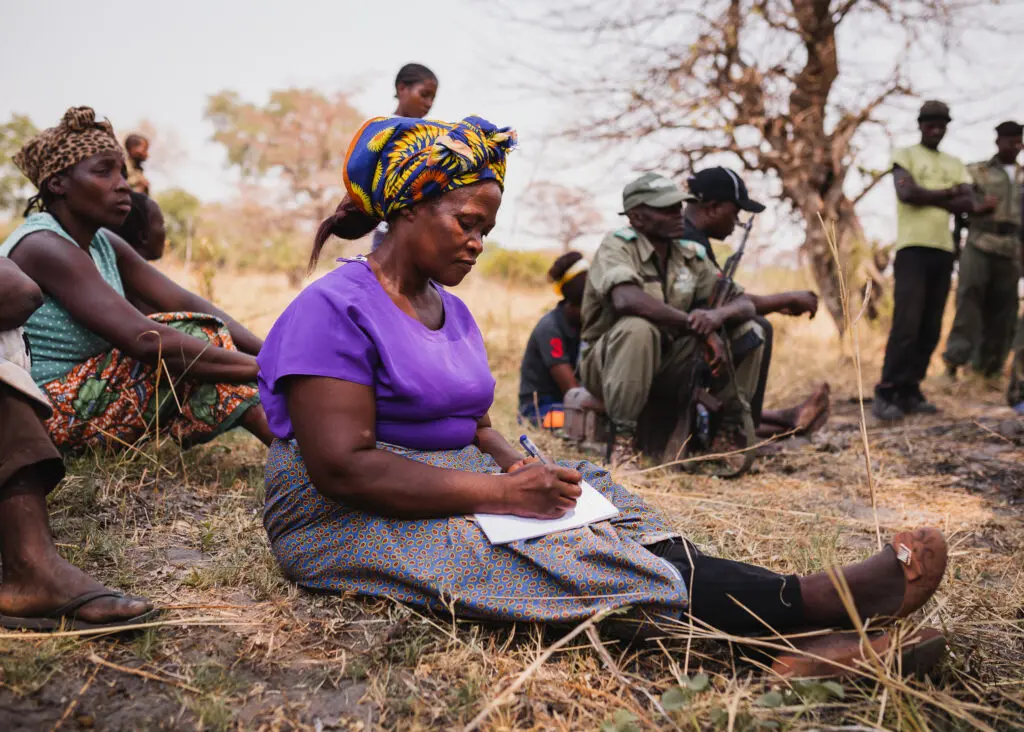
Lilunga village tells the story of what resilience looks like in practice. For years, most residents survived on small farms or by making charcoal from the forest. When they heard about ACADIR’s work in nearby communities, they asked to join.
ACADIR launched its livelihoods program in 2024, turning the village into a living example of conservation agriculture. They helped the Kuotoco Cooperative build a solar-powered borehole and an irrigation system, both managed by a community committee, giving farmers reliable water for the first time.
“Production of vegetables was very low,” says Osvaldo Daniel Pedro, a member of the Kuotoco Cooperative. “Now we produce enough to eat and sell. People even come from other villages to buy our onions and tomatoes.”
Within months, the first onion harvest yielded over 14 boxes. Ten hectares of land were legalized, giving each member secure farming plots. Among them is Mama Natalia, who grows cabbage, tomatoes, onions, collard greens and garlic.
“Being part of the cooperative has many positives. We are stronger together. I have learned new conservation agriculture techniques, and I see the results in my fields. It has given me courage and makes me proud,” she says.
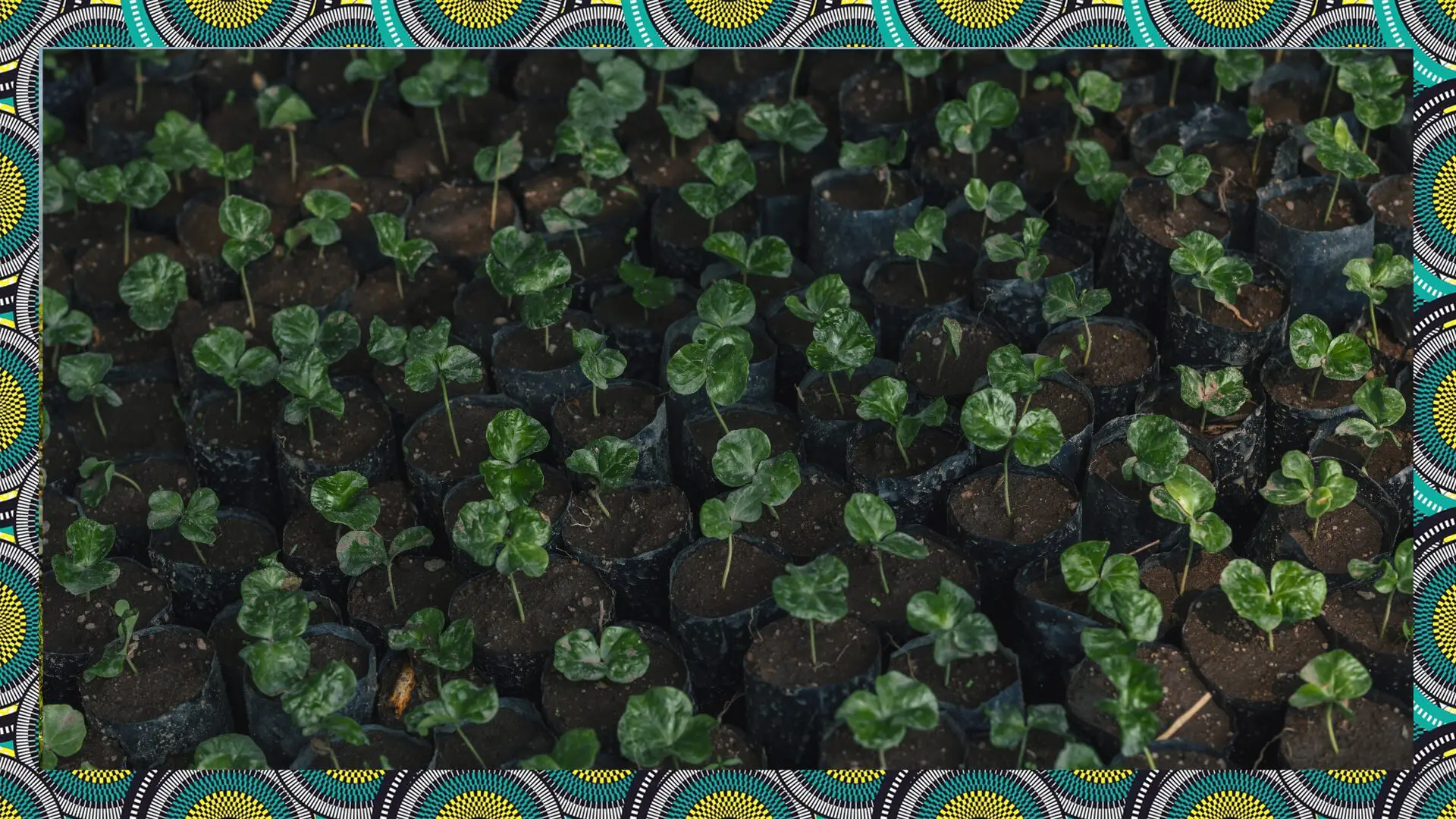
The change is spreading. Nearby Ndjunga village joined after seeing the success. And farther across Cuando and Cubango, 888 farmers have adopted conservation agriculture, producing 2,024 tonnes of maize in 2024 alone. ACADIR has installed 22 boreholes, fenced 247 hectares of farmland to reduce wildlife conflicts, and planted more than 30,000 fruit trees in partnership with local cooperatives – small steps that are rebuilding both resilience and dignity.


The success in Lilunga, however, was tested mere months after the project began. In mid-2024, Cuando and Cubango was hit by one of its worst dry spells in decades. Rivers shrank and crops withered. But this time, the communities were not alone.
“People were dying, and wildlife was under threat because of hunger,” says ACADIR Program Manager, Noel Valentino. “Where there’s hunger, people will do anything to survive. If we hadn’t supported the community, today we couldn’t have saved the wildlife in Mavinga and Luenge-Luiana National Park.”
With support from the government and the regional KAZA Secretariat, ACADIR mobilized to deliver 179 tonnes of food and distribute drought-resistant seeds to affected families. The infrastructure built through their project became lifelines, keeping fields alive and families fed.
In places where government support often arrives late, local organizations like ACADIR fill the gaps. Their work doesn’t stop when crises hit – in many ways, it becomes even more essential.
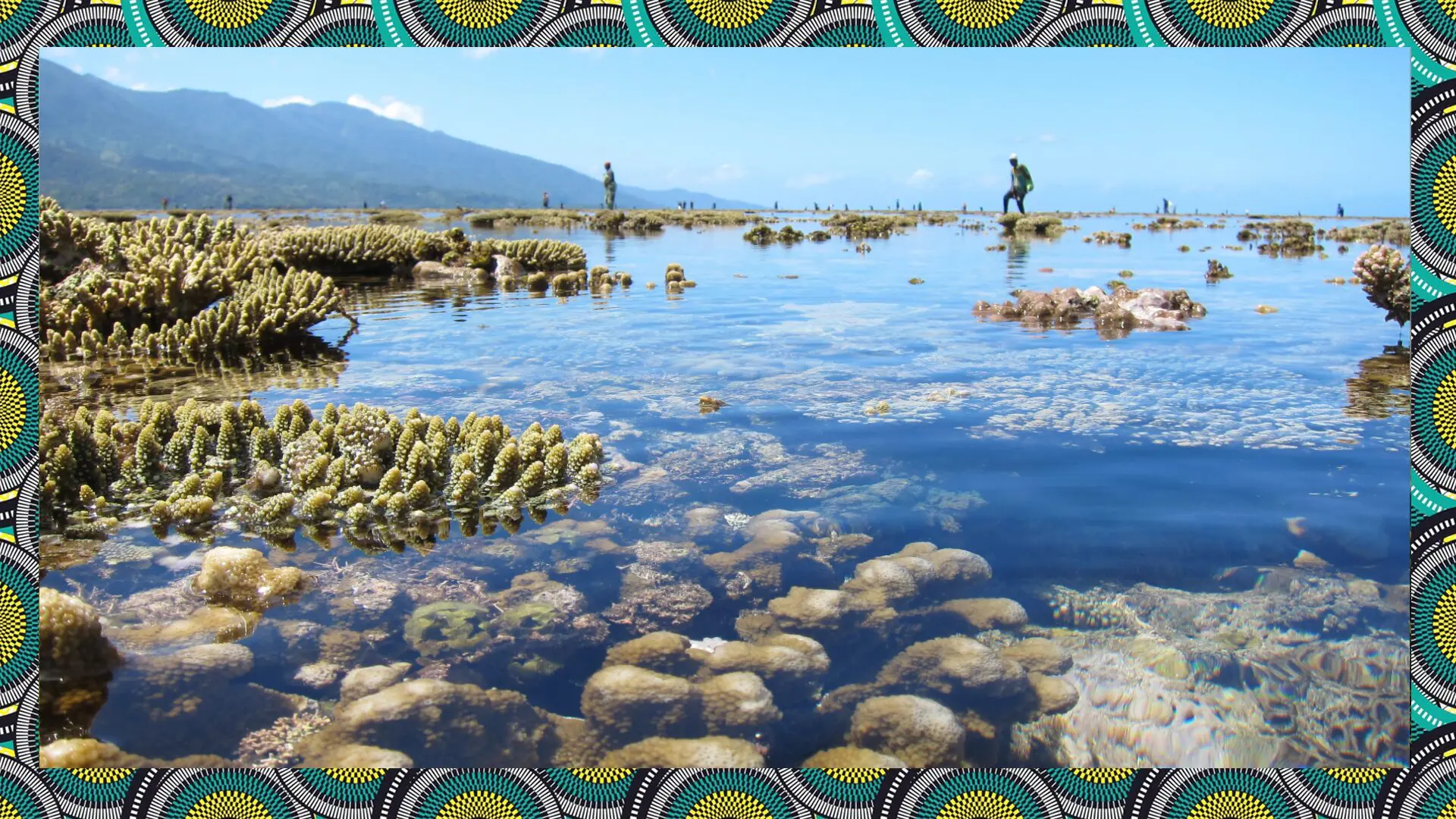
ACADIR’s work has never been limited to land. Along the Cuando and Cubango rivers, the organization supports fisheries cooperatives that sustain thousands of livelihoods while protecting freshwater ecosystems.
“Before, people would spend the whole day just to catch two fish,” says Noel. “Today, after training and community fisheries management, fish stocks have increased, and the community is making money from it. The cooperatives are independent. We help them set up the governance, and then they manage it themselves. It’s working so well that even the governor visited to see their success.”

In 2024, 4,000 fishers across three cooperatives – Candendele, Massaca, and Serigane – worked with ACADIR to restore fish stocks, protect breeding grounds, and reduce destructive practices.
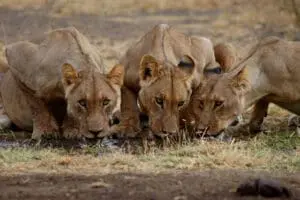
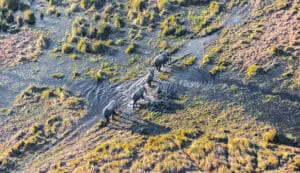
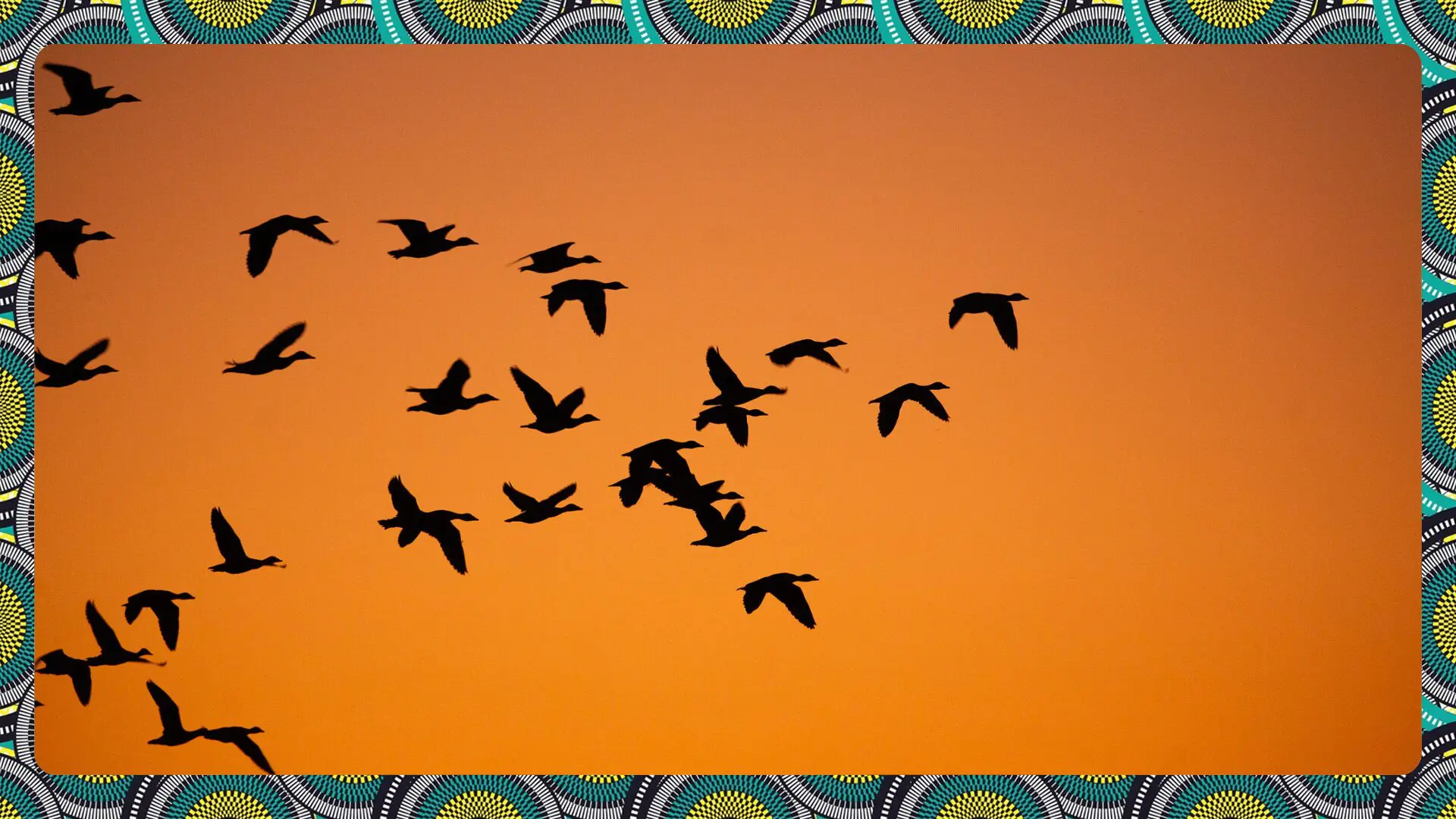
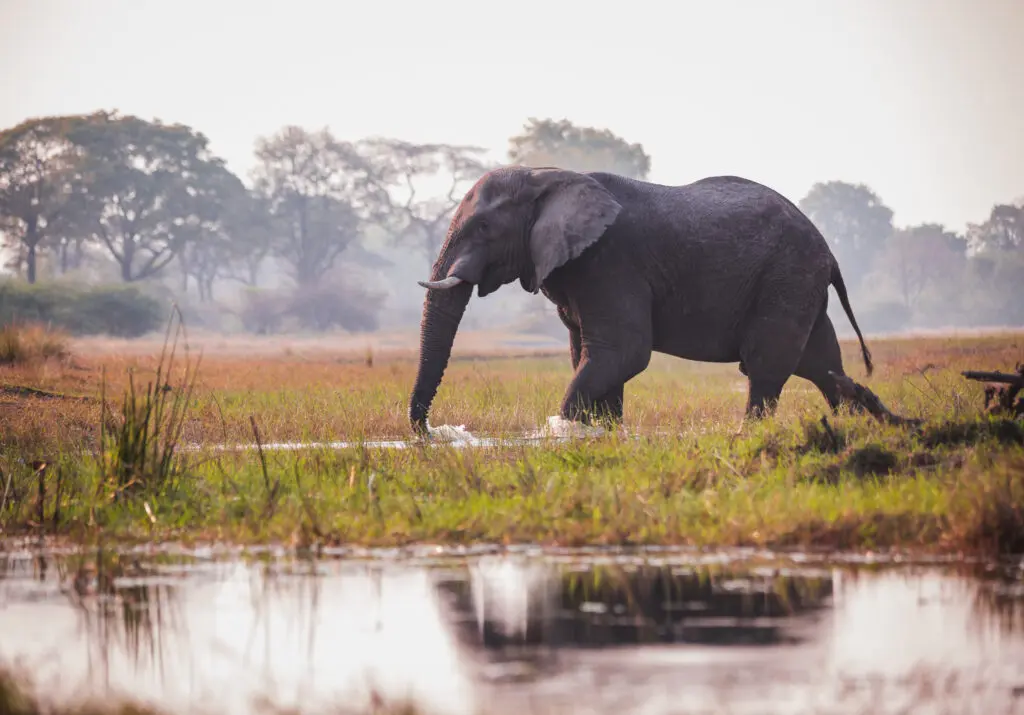
And something extraordinary is happening along the rivers and plains. Elephants, buffalo and antelope – once driven away by war and poaching – are returning. Tracks appear in the sand. Alongside them, Community Natural Resource Monitors trained by ACADIR now patrol these areas – former poachers who now protect the wildlife they once hunted.
“These animals are coming back because people are protecting them,” says Noel. “That’s how we know the land is healing.”
The road ahead is not easy. Cuando and Cubango are some of the most remote and underdeveloped provinces in southern Africa. Reaching some of the communities ACADIR serves can take days – across dirt tracks, flooded plains and burned-out bridges. Funding is scarce and unpredictable.
“We have ideas,” says Antonio. “But sometimes the challenge is implementation. The area is too remote. Only ACADIR is working there. If the funds were available, yes, with our power and strength, we could reach them.”
Yet even amid these obstacles, ACADIR continues to hold the line. Its strength lies not in scale, but in persistence and trust. The organization has earned the confidence of communities that once feared outsiders, and government officials who now see local people as true partners in conservation. By staying with communities that few others reach, ACADIR proves that conservation can take root in even the hardest conditions – when it is built on relationships, respect and trust.
Noel has seen how small interventions, when driven by this trust, can ripple outward. For him, each borehole, cooperative and restored stretch of river represents a sign of possibility.
“People trust ACADIR because we don’t just bring projects. We live with them, we listen, and we work together until they see results,” he says. “Trust is what makes everything possible. If people don’t trust you, they won’t protect the forest, they won’t report poachers, they won’t join the cooperatives. Trust is the first step of conservation.”
That trust – patient, earned, and lived – is ACADIR’s greatest achievement.
ACADIR’s challenges – and its impact – extend far beyond Angola’s borders. This remote landscape shapes ecosystems and livelihoods across the region. The Cubango and Cuito Rivers rise here before flowing into Botswana’s Okavango Delta, one of the world's most celebrated wetlands. Protecting these headwaters helps sustain the Delta’s rich biodiversity and the livelihoods it supports across southern Africa.
Cuando Cubango lies within the Kavango-Zambezi Transfrontier Conservation Area (KAZA TFCA), the world’s largest terrestrial conservation landscape. Here, rivers and wildlife move freely across five countries, linking communities through a shared ecological and economic future.
As Angola’s focal NGO for community-based natural resource management in KAZA, ACADIR is helping to shape regional policy and cooperation. It convenes three cross-border forums that connect communities sharing rivers, wildlife corridors and a common vision of prosperity rooted in conservation.
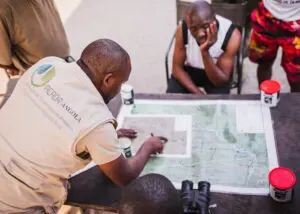

Antonio feels a personal connection to the collaboration. “The war destroyed many relationships and divided people for many years,” he says. “Now, through conservation and development, we are bringing people together again – the government, communities, even across borders.”
Two decades later, Antonio still walks the same roads he did as a young nurse, but now he carries a different medicine.
“My ambition is to spread the message to the youth,” he says. “We are getting old. We must push the younger generation to learn about conservation. Alone, you cannot do anything. Together, we can achieve.”
For Noel, the organization’s journey mirrors that of the country itself. “After the war, Angola was starting again, and ACADIR was also starting from zero,” he reflects. “We have gone through hard times, but we survived and became stronger. When people have food, they protect the forest. When they protect the forest, they also protect the rivers and wildlife – everything is connected.”

And for community members like Mama Natalia, Rosa and Osvaldo, the change is visible in every onion harvested, every fence that keeps elephants out, every child who grows up with hope instead of fear.
The silence of war slowly transformed into the hum of harvest, and bare soil into thriving fields. In the heart of Angola’s forgotten frontier, ACADIR’s story is a testament to what grows when people rebuild trust with the land and with each other.