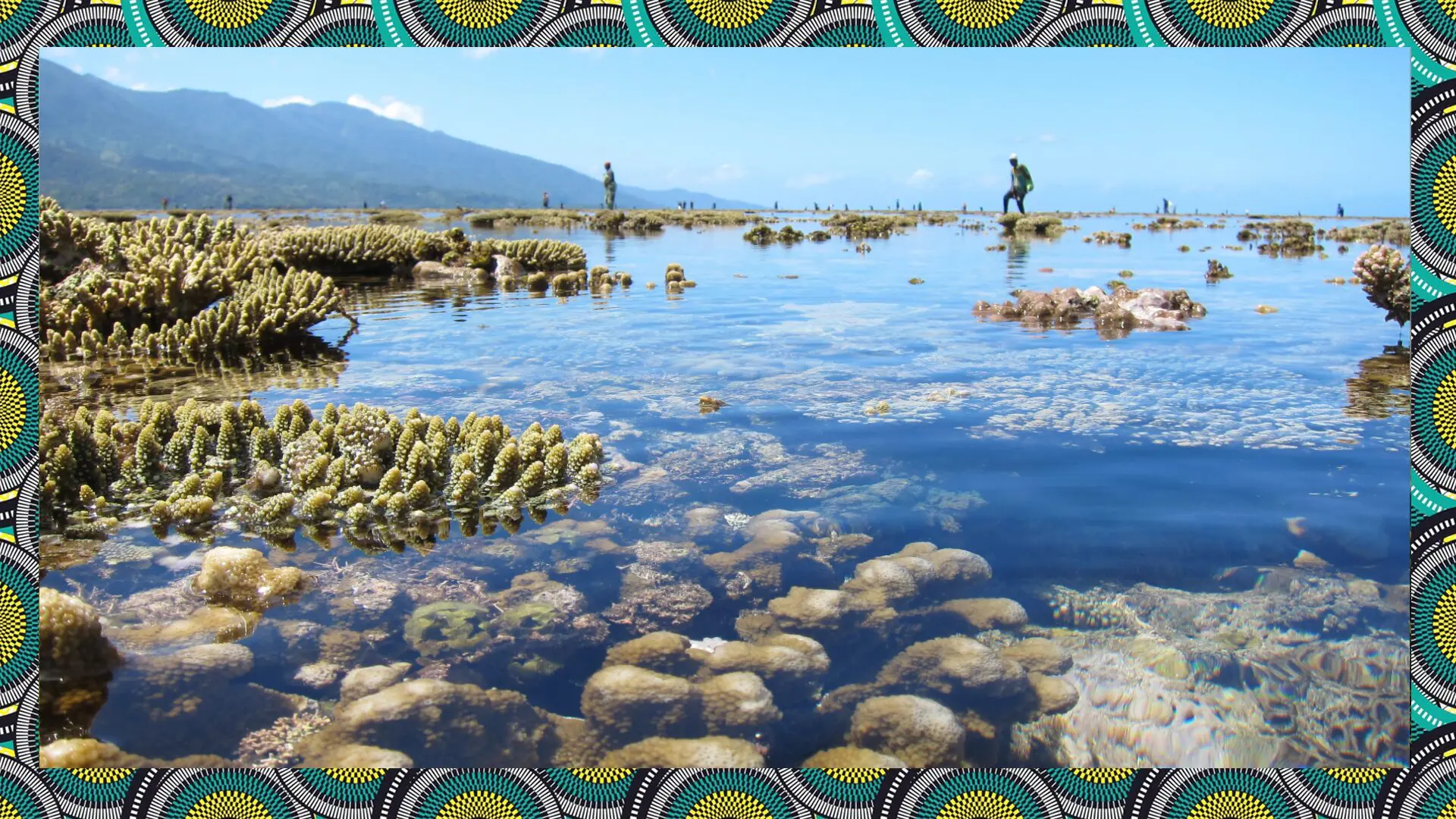
Bugesera District is not where you’d think to look for a restoration success story. It has no national park, no flagship species, no dramatic tale to draw international attention. Sitting within Rwanda’s Eastern Province, it is one of the country’s most climate-vulnerable landscapes, it appears to be defined by what it lacks: rain, shade, and during the long dry season, hope. Farming families have lived for generations with the uncertainty of a single rainy season and soils that give back less each year.
But there was something else hidden beyond the harsh conditions – opportunity. The Eastern Province contains some of the region’s most important wetlands and watersheds, including Lake Rweru. These resources have always sustained local people, providing food and income through fishing, and water for household use. But nobody had thought to connect them to the agricultural crisis unfolding on their doorstep. That connection is what REDO saw.
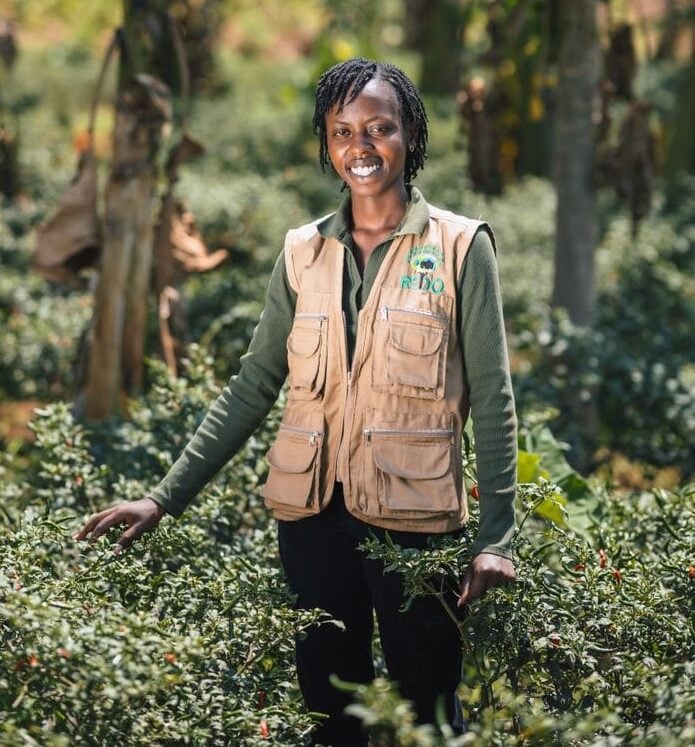
“We asked ourselves, how can this problem become an opportunity? That single question changed the way we looked at Bugesera not as a landscape defined by scarcity, but as one rich with untapped potential.”
Belise Niyonzima, Program Manager at the Rural Environmental and Development Organization (REDO).The sun that made farming impossible could power the pumps. The water that sustained fish could sustain crops. And as trees were planted around the area, farmers began noticing something else: more rain. The restoration and irrigation were reinforcing each other, the land remembered to hold what it had once lost, Crops that once struggled to survive became more resilient, harvests improved, and families gained greater confidence that their land could provide for them even during difficult seasons.
Where others saw liability, REDO saw assets. It has built its work around the idea that restoration succeeds when local people see a future worth investing in.
For more than 25 years, REDO has been working in some of Rwanda’s most underserved and environmentally challenged landscapes, where poverty, climate vulnerability, and ecosystem degradation are deeply interconnected. Founded in 1999, its early work around protected areas such as Volcanoes National Park revealed a reality that would shape the organization’s trajectory.
REDO's work in each landscape is built on partnership with local district authorities – bringing technical expertise, project coordination and fundraising, while districts contribute community mobilization, local knowledge and alignment with development priorities. Neither can do it alone.
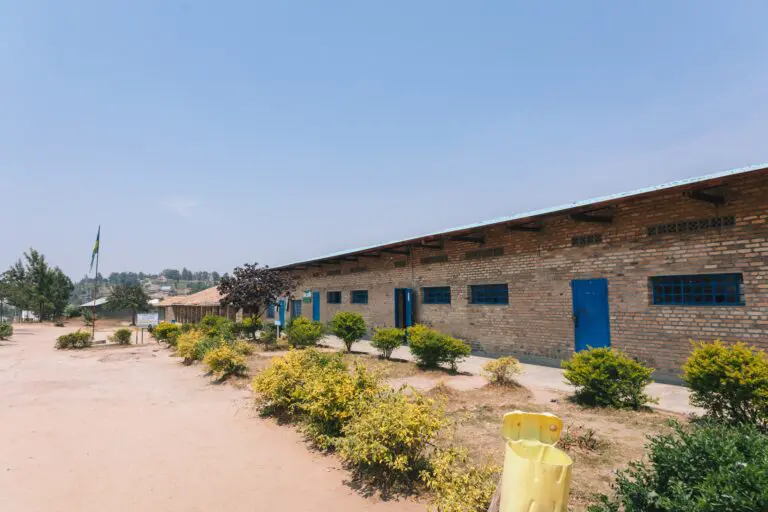
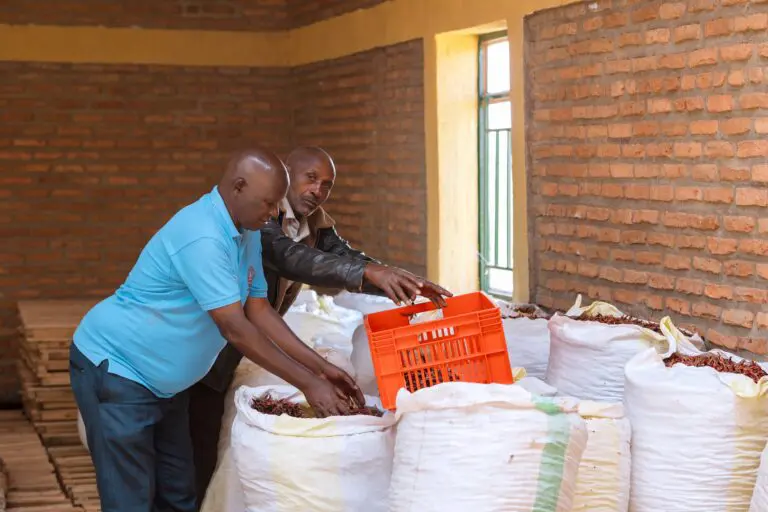
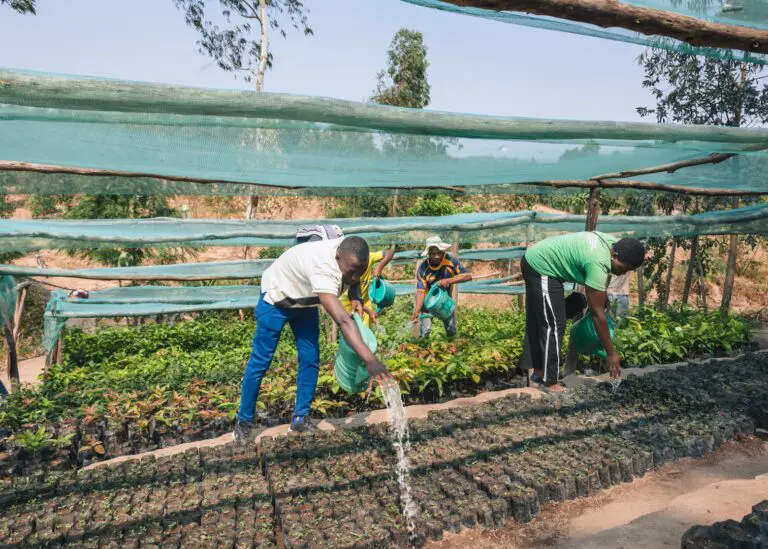
Dr. Damascene Gashuma, REDO’s founder and executive director, spent years working around Rwanda’s protected areas, where forests were under increasing pressure from cultivation, tree cutting, poaching and other activities driven by a lack of economic options.
At the same time, many historically marginalized communities living closest to those forests had been displaced without meaningful opportunities for integration or livelihoods. They had been forced out, but were still thinking about the forest, still depending on it, because nothing had replaced it, "They told us: we eat meat only once or twice a year, on Christmas and New Year, We don't have money to buy meat, but we know where the animals are." says Dr. Gashumba.
The logic of survival, he realized, was driving the destruction, leading to a critical insight: Conservation and community wellbeing could not be treated as separate challenges.
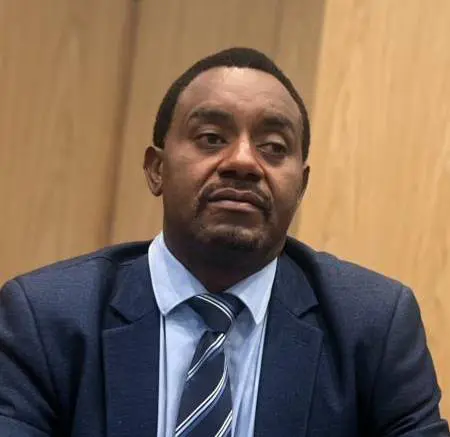
“We recognize that the social and economic problems of human populations have a direct bearing on wildlife habitats and ecosystems. If people do not have better ways to make a living, they will continue to depend on nature in ways that degrade it. Our work therefore connects conservation with improving peoples’ lives.”
Their earliest work focused on these communities living around Rwanda's protected areas. Through its first major conservation partnership, REDO helped more than 1,600 people secure land, start small livestock enterprises, and reduce their dependence on forests for survival. The experience would shape the organization's philosophy for decades to come.
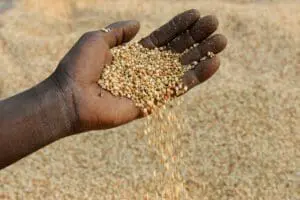
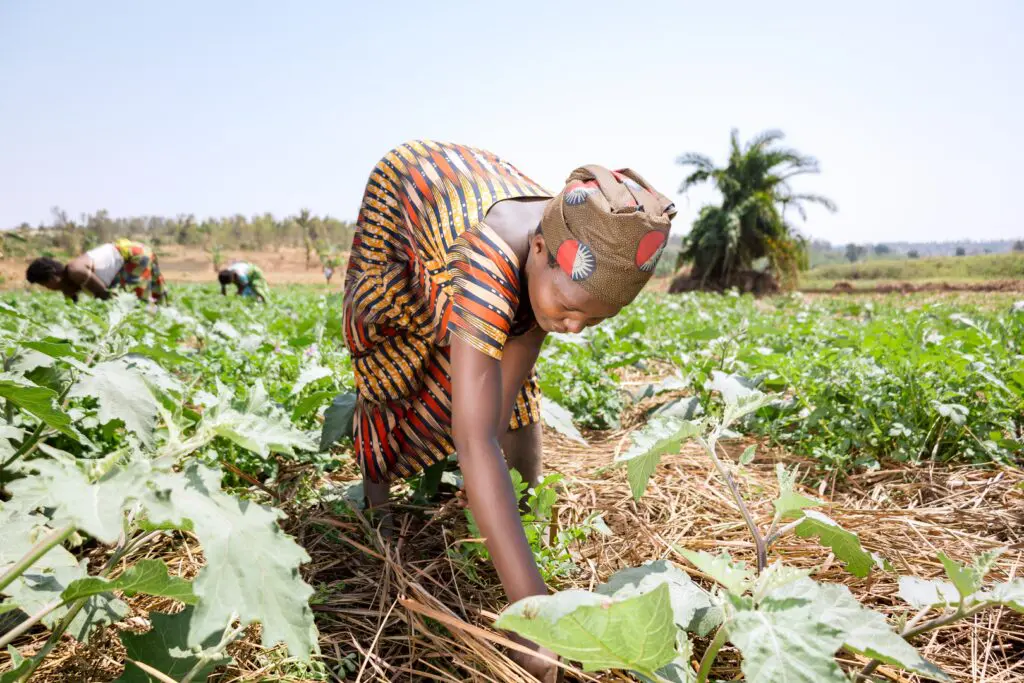
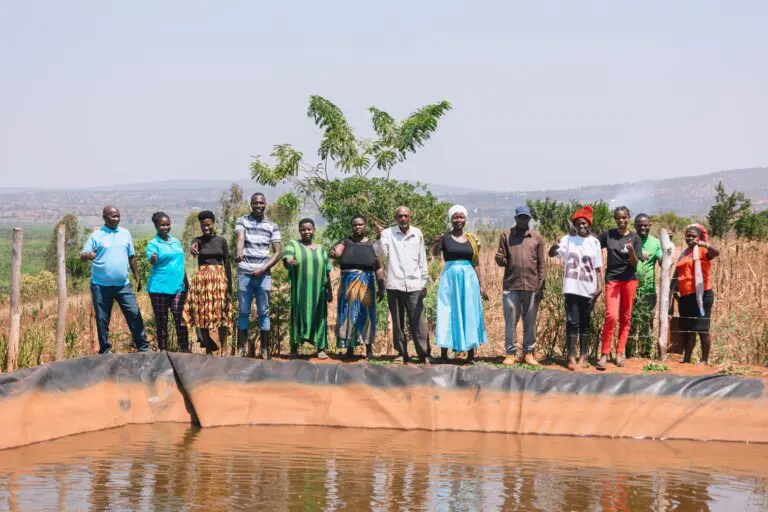
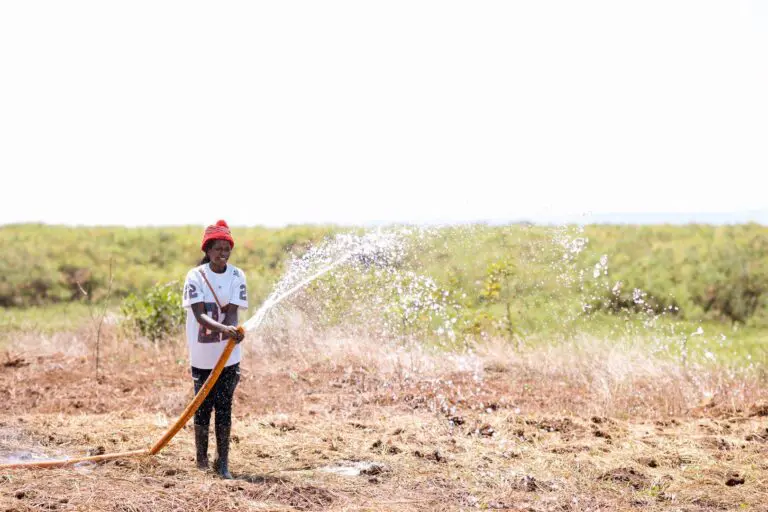
In Bugesera, the journey toward a better future began with a simple yet transformative resource: water. REDO launched a climate-smart agriculture project around Lake Rweru in 2023 with a small cooperative farming five hectares of land. It turned the problem into a solution by introducing solar-powered irrigation systems that replaced diesel-powered pumps. The results have been transformational. Before the project, the farmers earned an estimated RWF 4.9 million (~USD 3,350) annually across their main crops. That figure has risen to 7.2 million (~USD 5,000). This staggering 45% increase was driven by structure, not luck: three growing seasons instead of one, higher yields per hectare, and collective market access that individual farmers couldn’t reach alone.
Valentine Mukamugwira arrived in Bugesera after getting married in 2021. She began to doubt how anyone could build a future where the hot sun baked the soil, rendering it almost useless. She and her husband had already tried to solve the water problem themselves, investing in a diesel-powered pump. The fuel costs alone made it unworkable – expensive to run and maintain, and still no guarantee of a good harvest. She made a practical decision to walk away from the farm and open a vegetable stall in the local market. It kept the household afloat.
When REDO introduced the solar irrigation project, she was skeptical. "Many of us had already lost hope," she says. "We were not fully convinced that such an initiative could make a difference." But she joined anyway. Today her family cultivates three times a year.
“Before, many farmers worked individually which meant we could not access resources, markets and agricultural support,” says Jean Pierre Mbonyishema, president of the Twisungane Farmer Cooperative. “Through the cooperative, we now share knowledge, farming techniques and resources. And we can negotiate better at the markets.”
After successfully proving the model on five hectares, REDO now plans to expand to 80 hectares with 150 farmers, more than tripling the number of families who will be able to make a better living through farming.
But these outcomes are not just about agriculture. Through solar irrigation, agroforestry, indigenous trees and sustainable farming practices, restoration in this landscape means returning productivity – healthier soil and higher yields – to landscapes that many had begun to view as exhausted and beyond recovery.
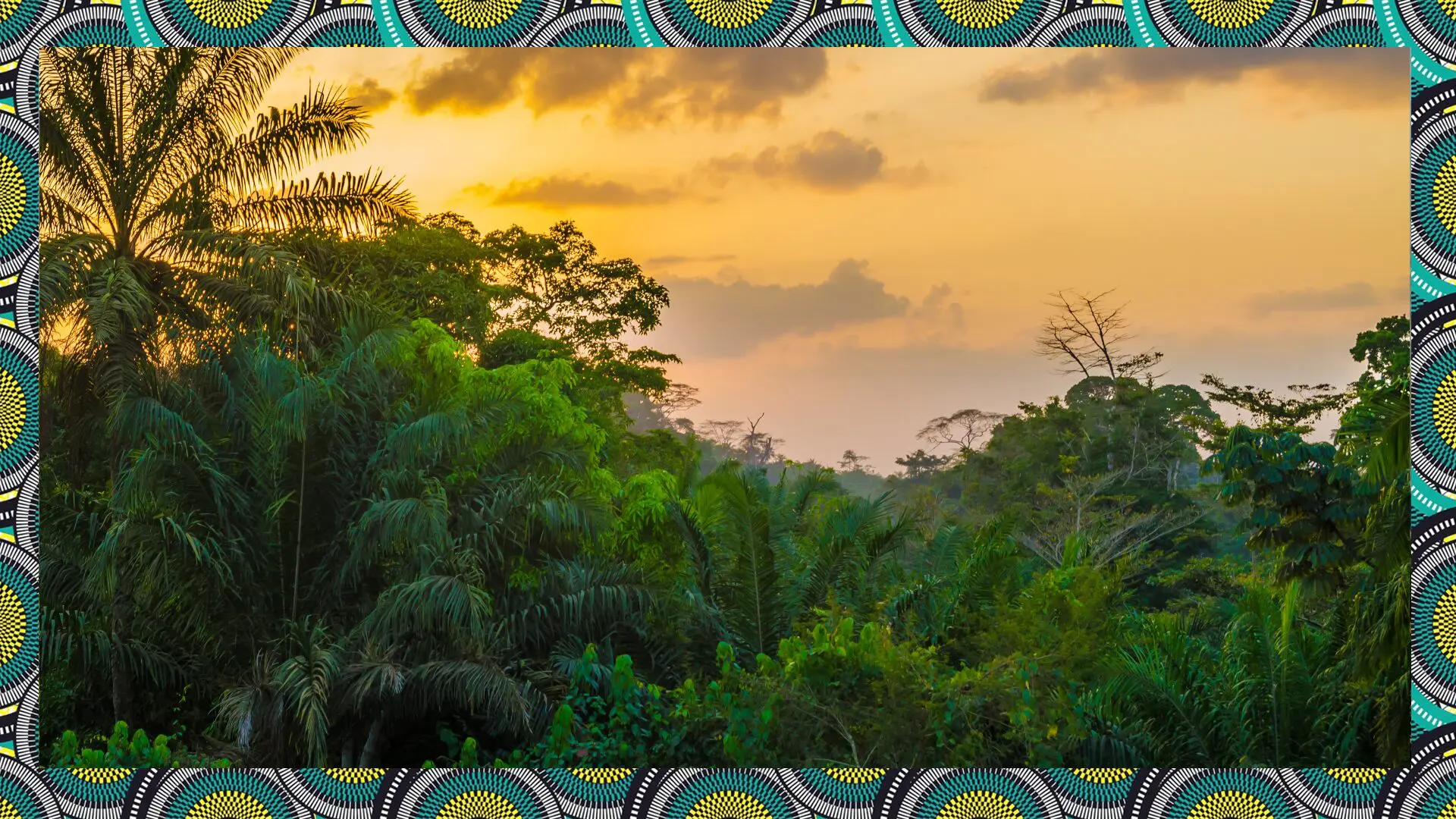
One such place is the Ibanda-Makera Forest, another on the list of little-known and often overlooked landscapes. Located within the broader Akagera region, it is one of the country’s last remaining natural forests, home to important medicinal plant species and threatened wildlife including the Grey Crowned Crane.
“It’s a forest that needs urgent action,” says Belise.
Ibanda-Makera has lost approximately 80% of its original area through decades of deforestation and unsustainable resource use. Many organizations might see that statistic as a sign of a lost cause. REDO saw a forest worth fighting for. The challenge was not simply to protect what remained, but to create conditions in which local communities could become long-term partners in its recovery.
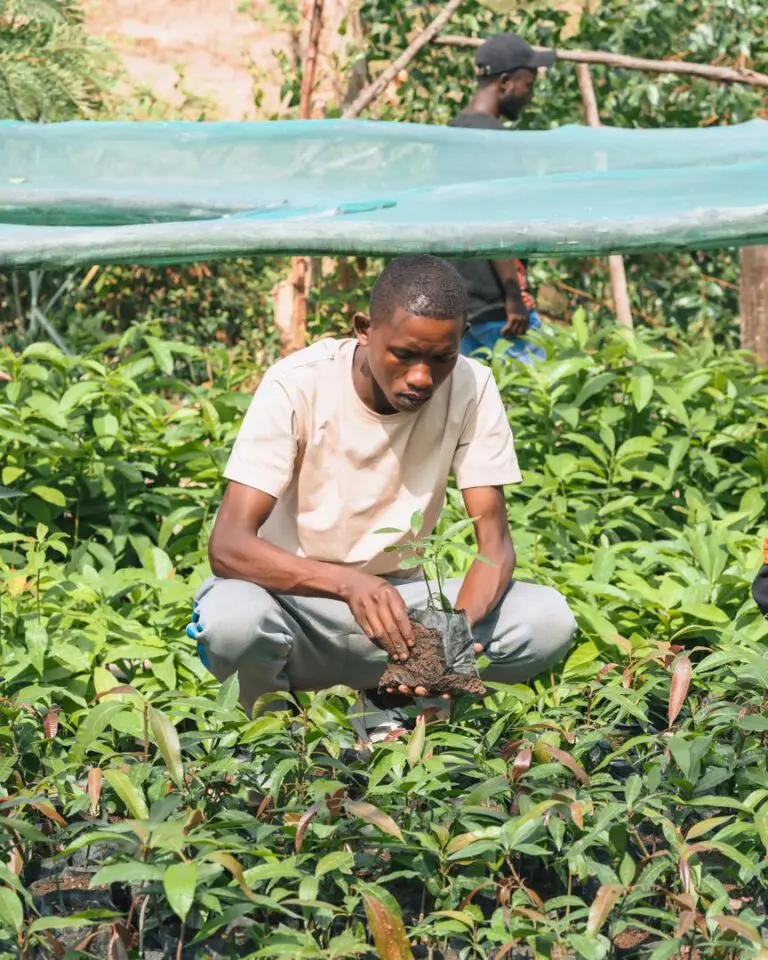
Since 2020, they have worked with communities to restore 700 hectares of this landscape, planting 110,000 agroforestry trees with 50 hectares dedicated to indigenous species which act as an ecological anchor. The ecosystem is slowly healing, and wildlife like primates and mammals such as monkeys and baboons) are returning.
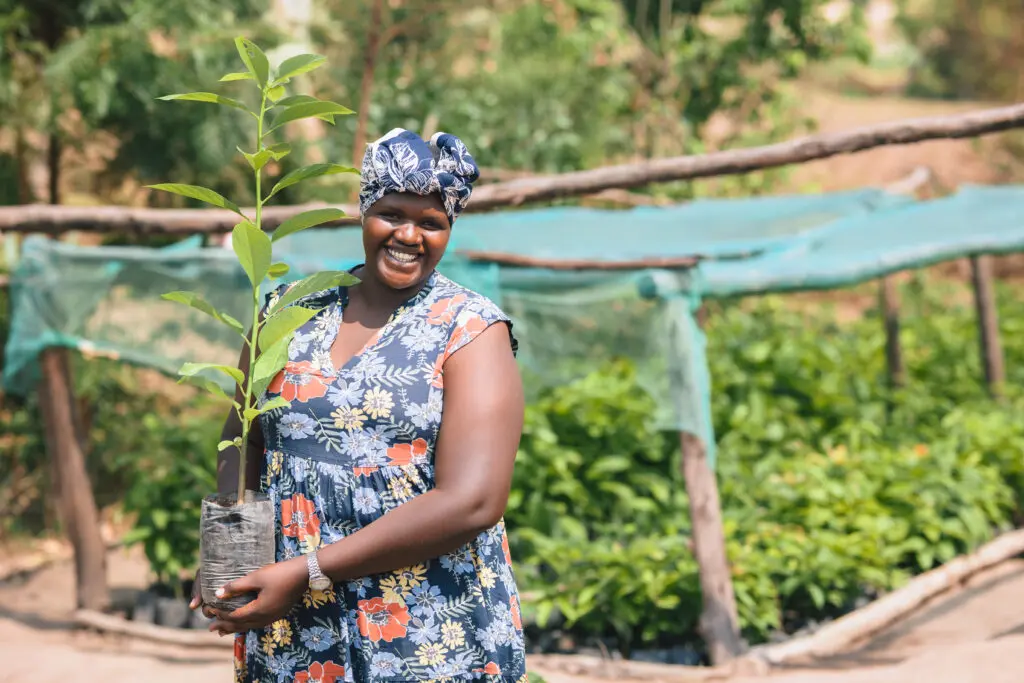
The results have been remarkable within the community too. At the forest’s edge, where trees thin and give way to the degraded land beyond, you can see the boundary of what was lost – the abrupt line between canopy and open sky that marks decades of extraction. People who spent years taking timber from that edge now lead visitors along the forest’s winding paths, pointing out medicinal plants and naming the birds. This is not unusual. Many of the people protecting Ibanda-Makera today were once poachers. They now serve as guides and stewards. Other community members, such as Maniragaba Dominique, tend indigenous tree nurseries and drive restoration efforts. Local cooperatives have chosen livelihoods like beekeeping and ecotourism – jobs that make the forest worth more standing than cut down. This is what happens when overlooked people become guardians of overlooked places.
For REDO, restoration is not simply about bringing trees back to the landscape. It is about rebuilding relationships between people and nature.
“The community is clever enough,” says Dr. Gashumba. “We could not view them like ignorant people. They know many things. What they need is for us to arrange what they know.”
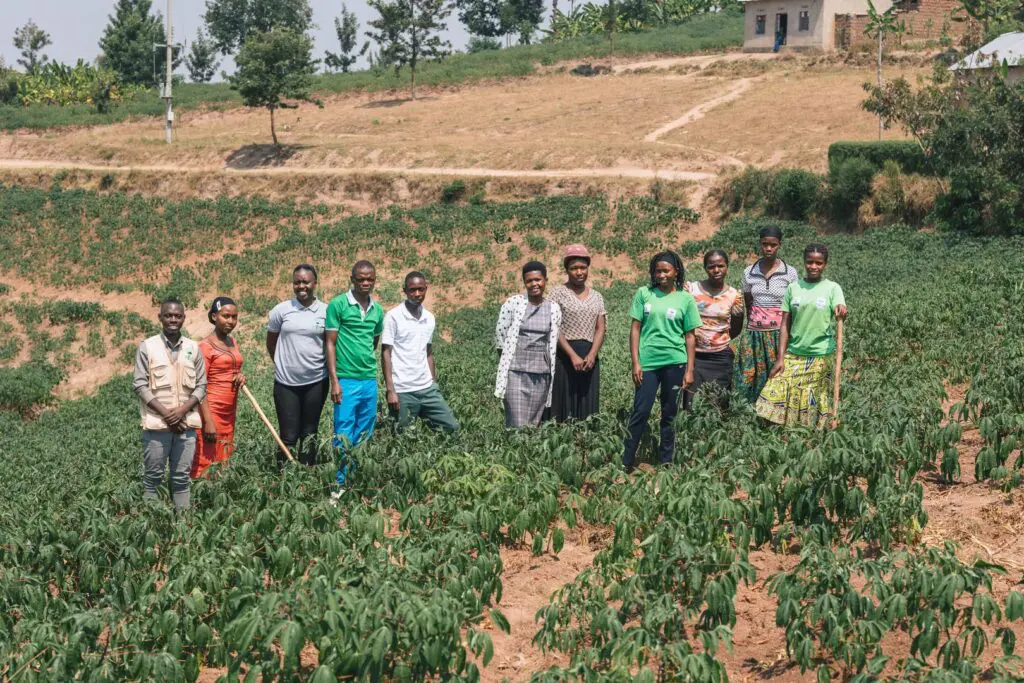
The organization is now working to develop the Ibanda-Makera as a community conservancy, where conservation, livelihoods and tourism can reinforce one another. By placing local communities at the center of protection and management, the initiative ensures that people are not only stewards of the forest but also direct beneficiaries of its restoration. Through alternative livelihood opportunities such as eco-tourism, beekeeping, sustainable agriculture, and nature-based enterprises, the conservancy will create strong economic incentives to protect natural resources while reducing pressure on the forest. This approach will also strengthen local ownership, and ensure that surrounding communities benefit directly from the long-term health and conservation of the landscape.
“We want to [expand] the ecotourism there,” says Belise. “If people come to visit Akagera, they can also cross over and visit the forest.”
The forest’s future remains uncertain. Restoration does not happen in a few years, and the complex challenges facing landscapes like Ibanda-Makera continue to evolve. But now, its future is being shaped by care instead of extraction.
As REDO approaches its third decade, the organization is looking beyond individual projects towards landscape-scale restoration.
A newly signed Memorandum of Understanding with the Rwanda Association of Local Government Authorities marks the beginning of a long-term collaboration focused on restoring ecosystems across the broader Akagera landscape. The partnership will support efforts to restore an additional 200 hectares and strengthen community stewardship of forests, wetlands, and watersheds across eastern Rwanda. For Belise, however, the agreement reflects growing recognition of an approach REDO has spent decades refining.
"We plan what is achievable, and we walk together with them. We start with very little. But success attracts more people to join us." says Dr. Gashumba.
"We plan what is achievable, and we walk together with them. We start with very little. But success attracts more people to join us." says Dr. Gashumba.
Bugesera and Ibanda-Makera are not places that appear in Rwanda’s conservation brochures. They are not pristine. They are living landscapes, where degradation, climate vulnerability and economic hardship have compounded quietly for decades, largely unnoticed. But these are precisely the places where the future of restoration will be decided – because they are where the most people live with the least support, and where community-led regeneration, when it takes hold, proves most durable.
REDO has spent 25 years making the case that forgotten landscapes and overlooked people are not liabilities to be managed. They are, when given the right conditions, the most capable stewards of all.
Nos dernières actualités et opinions
Des histoires inspirantes de notre équipe et de nos partenaires
Notre travail présenté dans des médias externes
Des mises à jour régulières de notre équipe et de nos partenaires