

"Un peu de pluie chaque jour finira par faire déborder les rivières." — Proverbe libérien

Rapport annuel 2025

Une année de force, de résilience et de voix unies.

Cette année a commencé par des chocs qui ont ébranlé l’ensemble du secteur de la conservation. De nombreuses organisations ont été confrontées à de profondes perturbations, notamment les coupes dans l’aide qui ont eu des répercussions dans toute la société civile, ainsi que les bouleversements politiques survenus dans plusieurs pays africains. Et pour beaucoup, la poussière n’est pas encore retombée. Les impacts se feront sentir pendant des années, en particulier pour celles et ceux en première ligne dont le travail dépend de la stabilité, de la confiance et d’investissements à long terme. Nos pensées accompagnent toutes les personnes touchées, et Maliasili se tient aux côtés de ses partenaires et de l’ensemble du mouvement de conservation portée par les communautés, car ces organisations sont souvent les seuls repères dans leurs communautés en des temps comme ceux-ci.

Et pourtant, même dans ce contexte difficile, quelque chose de puissant a émergé. Dans tout l’espace de la conservation menée par les communautés, nos partenaires ont continué d’avancer avec clarté, courage et détermination. Ils ont poursuivi leur travail essentiel tout en élevant leurs voix avec audace. Nous les avons vus négocier pour de meilleurs financements, influencer les discussions et les grands événements, diriger des réseaux nationaux et formuler des visions ambitieuses pour l’avenir de leurs communautés et de leurs écosystèmes. Ce ne sont pas des moments isolés, mais le reflet d’un mouvement puissant en pleine émergence : des organisations locales qui s’affirment non seulement comme des exécutants, mais comme des leaders aux niveaux local, national et mondial, capables de façonner l’agenda.

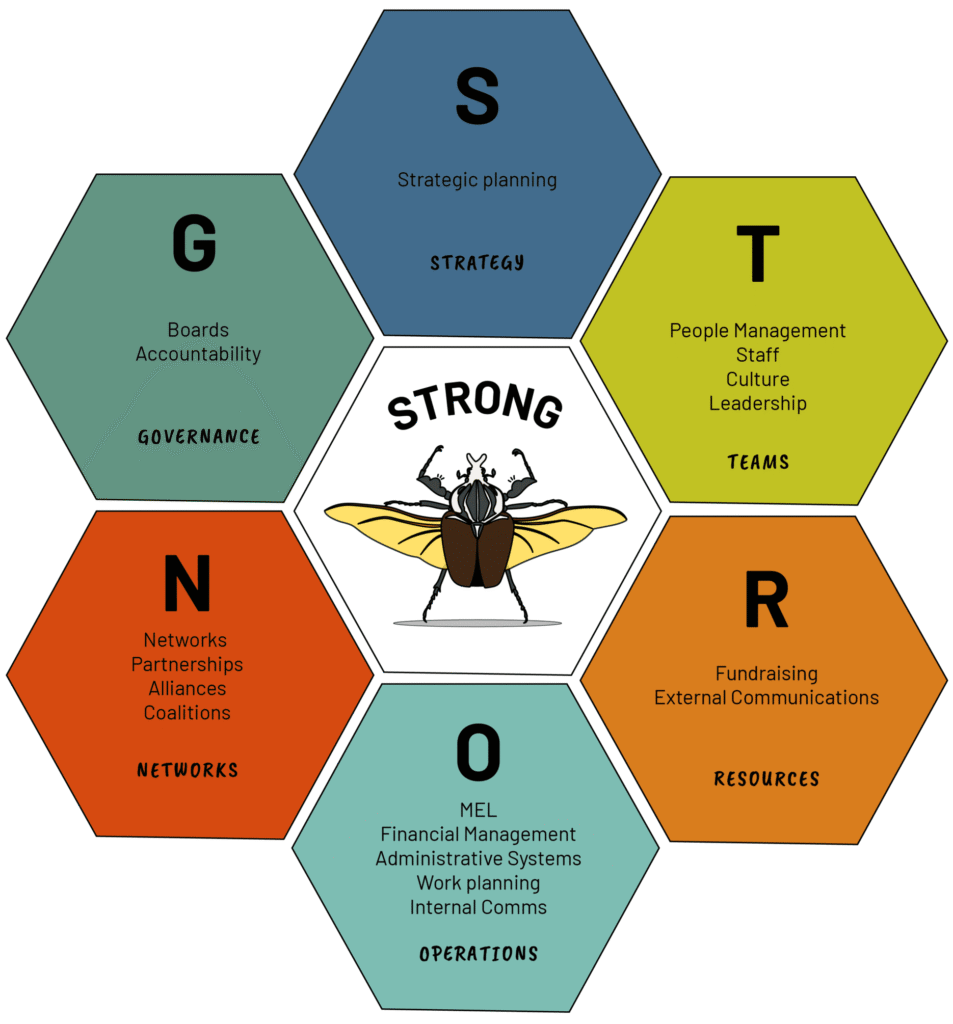
Au cœur de cette transformation se trouvent ce que nous, à Maliasili, considérons comme la solidité organisationnelle ainsi que l’action et l’impact collectifs. Ces fondations intentionnelles permettent aux leaders de prendre des décisions éclairées, de bâtir la confiance, de mobiliser des ressources et de maintenir un impact dans la durée. La solidité est ce qui transforme le potentiel en pouvoir. C’est ce qui transforme une bonne organisation en une organisation durable. Et dans une année marquée par l’incertitude, cette solidité a compté plus que jamais.

2025 en un coup d’œil:

71 millions d’hectares

de terres et d’espaces marins sont sous conservation par nos partenaires

15 millions de personnes

engaged in interventions and benefits

58

organisations exceptionnelles de conservation menées par les communautés

22 partenaires accompagnés

dans le cadre de la planification stratégique

52 leaders

à travers 3 nouveaux programmes de leadership

$4m+

fournis aux partenaires à travers des financements directs et des mécanismes de re-subventionnement

Nos partenaires

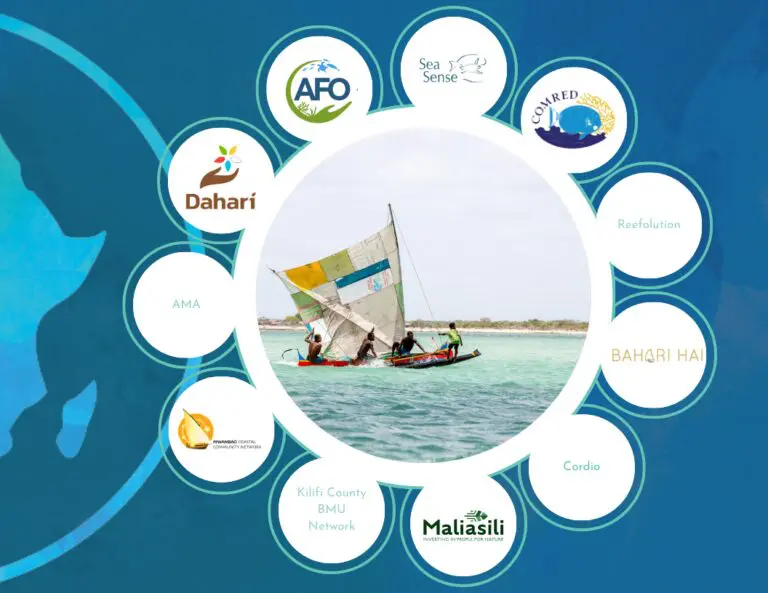
Maliasili collabore avec un portefeuille soigneusement sélectionné d’organisations africaines locales de premier plan, qui travaillent directement avec les communautés afin de gérer durablement leurs terres et ressources naturelles, d’en tirer des bénéfices équitables et d’en assurer la gestion responsable à long terme.

Nous identifions des partenaires d’exception et les accompagnons dans l’élaboration de stratégies et de communications claires et cohérentes, la mobilisation de financements supplémentaires, ainsi que le renforcement de leur leadership, afin d’accroître encore davantage leur impact au service des communautés et de la nature.
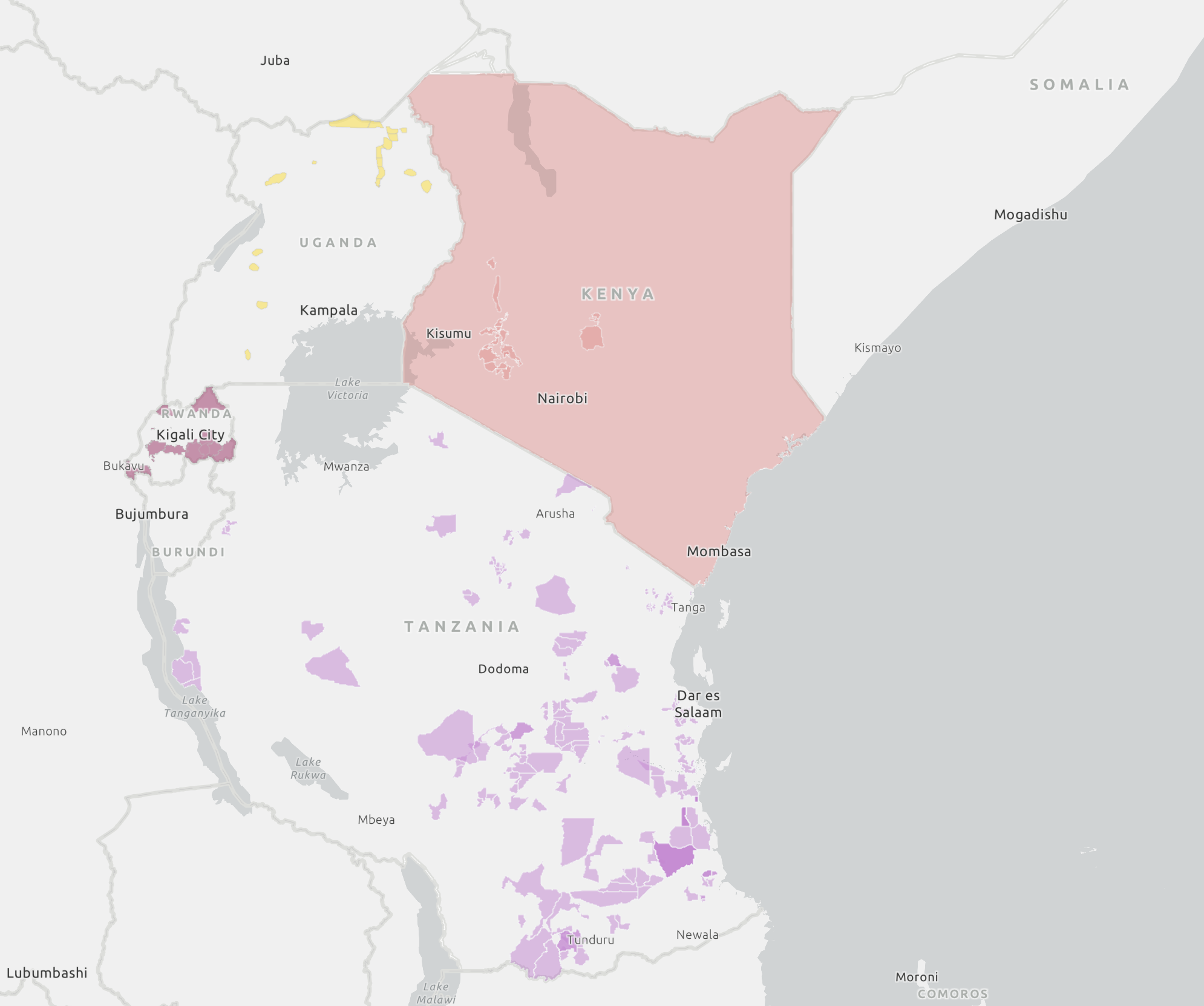
Nos partenaires travaillent à travers 71 millions d’hectares d’espaces terrestres et marins interconnectés – des parcours pastoraux qui soutiennent des millions de personnes ; des forêts tropicales humides qui régulent les climats régionaux ; des mangroves côtières qui atténuent les ondes de tempête ; et des zones humides qui alimentent de grands fleuves. Ces territoires ne sont pas isolés ; ils forment des corridors écologiques où la faune se déplace, l’eau circule, les cultures s’épanouissent et la résilience climatique se renforce.
“Chaque organisation de conservation communautaire a besoin d’un partenaire comme Maliasili.“
– Jean Claude Dusabimana, Nature Rwanda
Partenaires
Où ils travaillent

SOLIDES : Les fondamentaux des organisations efficaces

“Maliasili nous a aidés à prendre du recul et à réfléchir à nous-mêmes en tant qu’organisation, et pas seulement comme un projet. Disposer d’une stratégie claire et de systèmes en place nous a rendus plus confiants, plus crédibles et mieux capables de planifier sur le long terme.“
-Andrew Stein, CEO, CLAWS (Botswana)
Les organisations efficaces — quelle que soit leur taille, leur géographie ou leur mission — partagent un trait commun. La solidité n’est pas le fruit du hasard ; elle se construit. Dans le domaine de la conservation, où les organisations locales portent souvent les responsabilités les plus lourdes avec le moins de soutien, le renforcement intentionnel de cette solidité leur permet non seulement de survivre, mais aussi de diriger et de prospérer.

Notre cadre STRONG capture les six fondamentaux que les organisations à haute performance réussissent systématiquement à maîtriser. Ces piliers pratiques déterminent si une organisation peut s’adapter, inspirer la confiance, mobiliser des financements, prendre de bonnes décisions et générer un impact durable.

Cette année, nous avons vu nos partenaires progresser dans chaque dimension du cadre STRONG, posant les bases nécessaires pour diriger avec confiance et produire un impact.

Statistiques STRONG :

22

partenaires accompagnés dans la planification stratégique

23

partenaires ayant renforcé leurs équipes et leur culture organisationnelle

29

partenaires ayant bénéficié d’un appui en communication

21

partenaires ayant renforcé leurs systèmes internes

23

partenaires ayant participé au Congrès mondial de la nature

12

partenaires ayant travaillé sur les conseils d’administration, la gouvernance et les systèmes de redevabilité

STRATÉGIE

Ambitieuse, ancrée dans la réalité et guidée par un objectif clair

Une stratégie solide est une déclaration d’intention. Elle reflète la clarté, la confiance et le courage, et définit une orientation ambitieuse pour l’avenir. Cette année, nous avons vu nos partenaires élaborer des stratégies ambitieuses, centrées sur les communautés et ancrées dans une compréhension approfondie des paysages.
“Il y avait beaucoup de choses que nous ne savions pas que nous ne savions pas. Le processus de planification stratégique nous a aidés à les voir, et maintenant nous savons où nous allons et comment nous allons y parvenir.“
– Gashumba Damascene, REDO
MJUMITA est le seul réseau communautaire forestier légalement reconnu en Tanzanie, réunissant 132 organisations communautaires et plus de 15 000 membres afin de renforcer la gouvernance des forêts communautaires, de sécuriser les droits fonciers et de développer la gestion forestière communautaire à l’échelle nationale.

Leurs objectifs stratégiques comprennent:
La légalisation des droits et l’autonomisation des communautés pour gérer 2,5 millions d’hectares de forêts villageoises non classées
Le renforcement des cadres de gouvernance et des politiques dans au moins 50 villages 
Renforcer la résilience climatique en formant 5 000 membres des communautés et en soutenant 50 institutions. 
FAMELONA à Madagascar co-gère des écosystèmes de forêt tropicale humide, de mangroves et marins d’importance critique dans le domaine du Sambirano. Leurs objectifs stratégiques incluent la mise en place d’une gouvernance communautaire autonome sur la moitié de leur paysage de 165 000 hectares. 
Herp Conservation Ghana est la principale organisation de conservation des amphibiens en Afrique de l’Ouest. Leur nouveau plan stratégique vise à étendre le Refuge pour espèces menacées de OnePone et à créer davantage d’aires protégées gérées par les communautés.

Équipes

Les personnes qui portent la mission

Le plus grand atout d’une organisation est son équipe — les personnes et les leaders qui se mobilisent chaque jour pour faire avancer le changement. En 2025, nous avons vu nos partenaires renforcer leurs investissements dans ce qui compte le plus : le leadership et la construction d’équipes cohésives, guidées par des valeurs et conscientes d’elles-mêmes, capables de naviguer dans la complexité, de collaborer avec confiance et de conduire leurs organisations vers l’avenir. 
“Une chose qui a été réécrite dans mon esprit est la suivante : le leadership n’est pas une destination, mais un parcours continu de croissance… Comprendre qui l’on est et comment cela influence sa manière de travailler mérite véritablement d’être exploré.“
– Esther Mhamila (Action For Ocean)

Une communauté de leaders plus forte pour l’avenir de Madagascar →

La deuxième cohorte du Madagascar Environmental Leadership Program (MELP 2) a achevé un parcours de neuf mois consacré au leadership personnel, d’équipe et systémique. De l’apprentissage de l’équilibre entre leadership individuel, leadership d’équipe et stratégie, à la redéfinition des communautés locales comme acteurs du changement et des bailleurs comme de véritables partenaires de collaboration, la cohorte a élargi à la fois ses perspectives et sa puissance collective.

Le MELP 2 s’est conclu par une visite à Ecovision Village, une initiative de restauration portée par le secteur privé qui emploie plus de 100 personnes locales, dont beaucoup étaient d’anciens bûcherons, dans la gestion de pépinières, l’agroforesterie dynamique et la restauration de corridors écologiques. Inspirée par ce modèle, la cohorte a collectivement parrainé une parcelle de restauration reliant les Parcs nationaux de Mantadia et d’Analamazaotra. Ce fut leur premier acte d’impact collectif et un engagement à poursuivre leur collaboration.

“Je suis heureux et chanceux de faire partie de la cohorte MELP 2. J’avais l’habitude d’être surchargé de travail, mais j’ai maintenant appris à établir des priorités et à dire non à d’autres responsabilités. J’ai également pris le temps d’écouter mon équipe lors de l’organisation et de la planification de nos réunions.“ — Solo Randriamparany, Association Fosa

Africa Conservation Leadership Network 6 : les leaders de la conservation et de la restauration en Afrique de l’Est → 

Nous avons lancé la sixième cohorte du African Conservation Leadership Network (ACLN 6) dans le cadre de notre partenariat de longue date avec The Nature Conservancy. Elle est financée en partie par The Bezos Earth Fund, qui canalise des financements directement vers 200 champions locaux de la restauration à travers le monde grâce à un partenariat avec le World Resources Institute, tout en investissant dans leurs leaders et dans le développement organisationnel de leurs institutions.

Cette cohorte réunit 20 leaders issus de 10 organisations en Afrique de l’Est, toutes partenaires existantes de Maliasili. Ces organisations assurent la gestion de certains des paysages les plus importants de la région : les conservancies communautaires émergentes d’Ouganda, les châteaux d’eau du Kenya, les forêts du Rwanda et les corridors de faune sauvage en Tanzanie.
”Le 4 août, je suis arrivé en tant que patron. Le 8 août, je suis reparti en tant que leader. Voici comment cette transformation s’est produite… Le African Conservation Leadership Network, sous l’égide de Maliasili, était bien plus qu’une simple formation. C’était un miroir me montrant qui je suis en tant que leader. Une boussole m’indiquant vers où je dois aller. Un défi me poussant à m’élever et à diriger autrement.”
— Andrew Mariki, Community Wildlife Management Areas Consortium (Tanzanie)

Construire une culture de leadership à l’échelle de toute l’équipe →

Les grands leaders construisent de grandes cultures organisationnelles qui permettent aux membres des équipes de porter le travail vers l’avant. Cette année, nous avons accompagné plusieurs partenaires dans la construction de cultures solides, guidées par des valeurs, où la collaboration produit des résultats.
Action for Ocean (AFO) est une organisation marine entrepreneuriale qui travaille en partenariat avec les communautés côtières de Tanzanie. Leur atelier d’équipe a été un véritable tourbillon d’énergie, aidant ce groupe jeune et dynamique à comprendre comment leur ouverture et leur enthousiasme peuvent renforcer leur manière de travailler ensemble:
“Cette expérience a renforcé un principe fondamental : des équipes solides et performantes se construisent en comprenant les différences, en abordant les conflits de manière constructive et en créant une culture de confiance et d’ouverture.“ — Action For Ocean sur LinkedIn
Dahari soutient les communautés rurales dans la restauration des forêts et des récifs des îles Comores. Leur équipe de direction, composée de 11 personnes, bénéficie collectivement d’une formation en leadership dispensée par Maliasili:
‘Au cours de nos trois formations d’une semaine au cours des 18 derniers mois, nous avons exploré en profondeur les questions de pouvoir et de vulnérabilité, et en sommes ressortis plus forts, à la fois en tant qu’individus et en tant que collectif. Nous attendons désormais avec impatience de prendre la tête pour accompagner le reste de notre équipe de 60 personnes dans un processus similaire en 2026.‘
— Misbahou Mohamed, Co-directeur, Dahari
La Namibia Nature Foundation, un leader de confiance dans la gestion communautaire des ressources naturelles, a exploré la conscience de soi et la dynamique d’équipe lors d’un atelier qui comprenait différents outils, notamment le MBTI. Nous avons aidé l’équipe de la NNF à approfondir l’analyse de ses défis et à identifier des prochaines étapes concrètes:
“Cet atelier était exactement ce dont nous avions besoin à la NNF. Nous avons beaucoup parlé par le passé de la manière dont nous pourrions mieux travailler ensemble, en nous comprenant un peu mieux… Nous avons maintenant l’impression d’avoir trouvé une voie à suivre pour certaines des problématiques que nous rencontrons depuis quelques années.“ — Frances Chase, Namibia Nature Foundation 

Ressources

De meilleurs financements, de meilleurs messages

Dans l’ensemble de notre portefeuille, les partenaires sont passés de la recherche de financements à tout prix à la poursuite du bon type de financement — aligné sur leur mission, flexible et stratégique. Dans ce cadre, ils investissent de plus en plus dans leurs communications comme un outil pour mobiliser des ressources pour leur travail. 

Nous avons réuni la Zimbabwe Environmental Law Organization (ZELO), la Southern Alliance For Indigenous Resources (SAFIRE), Wildlife Conservation Action (WCA), Tikobane Trust, CCAZ et l’Association CAMPFIRE pour un atelier conjoint sur la collecte de fonds et la communication.  

Ils sont repartis non seulement avec des outils, mais aussi avec un renouvellement de leur sens de Zimbabwe’s conservation legacy et l’étincelle pour raconter à nouveau une histoire unifiée. 

"The workshop gave me clarity on how fundraising and communications connect, and the importance of the two in achieving our goals, and making sure our organization is visible. I feel we now know what to do to showcase our work and impact. As a team, this had been a gap. We were also immersed in blindly applying for proposals. The workshop was an eye-opener: it helped us understand we should focus on building relationships first and connect the dots. It helped the team, including our comms officer, better understand why her work matters." Estella Toperesu, Executive Director, SAFIRE

We also brought together all our Rwanda partners for a similar workshop, helping them reframe fundraising as a strategy, not survival, and more.

“In our case, we didn’t realize we needed Maliasili until we began our strategic planning and discovered we were taking on too much…nor did I know I needed the confidence and courage to push back on misaligned funding. I tried this approach with a funder. I pushed back, stating that we needed an investment in our organization and were prepared to decline the money. The donor left, and we thought we had lost them. However, they wrote back two weeks later, accommodating all of our suggestions.” –  Jean Claude Dusabimana of Nature Rwanda 

View our collaboration with the Sustainable Finance Coalition in two Readers: an exploration of emerging financing models and a practical guide to making the most of them.  

Midway reflections on the MCF →

At Maliasili, we believe that transforming conservation means transforming how it is funded. For years, local African organizations have delivered extraordinary results for people, wildlife, and climate, but with too little flexible support to match their potential. The Maliasili Conservation Fund (MCF) set out to change that, testing what happens when you invest in organizations, not just projects.

Three years in, the results are powerful.

28

partner organizations in three key geographies

$14.5

in funding mobilized

59M Ha

supporting community-led conservation

94%

of organizations reported a deepening of their impact

x3

For every $1 from MCF, partners unlocked a further $3 in additional funding

26%

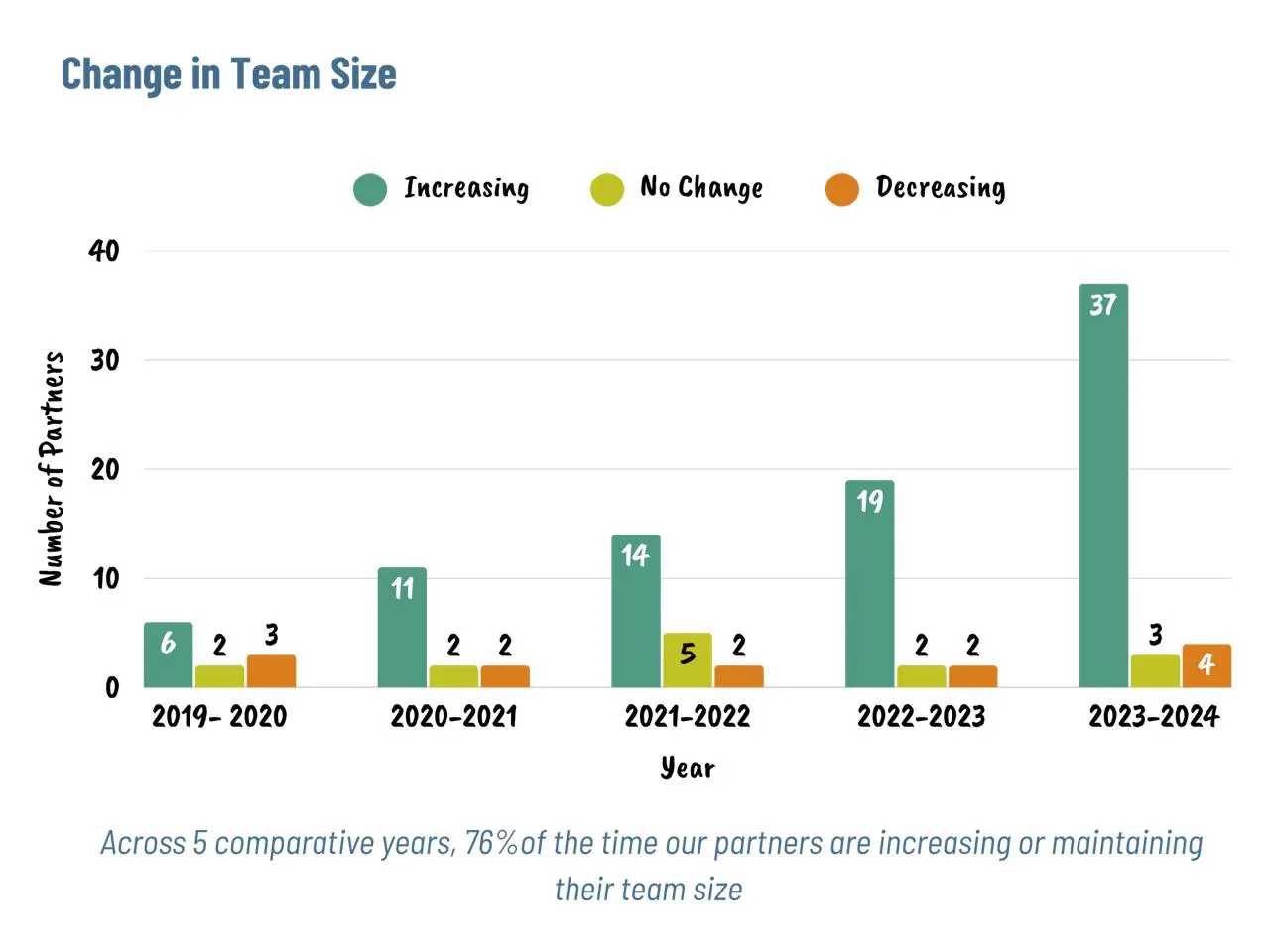
growth of team sizes, with 71% of partners hiring new staff
From reducing human-wildlife conflict by 60 percent in Zimbabwe to expanding community conservancies across 10 million hectares in Kenya to protecting Madagascar's forests and species, our partners are showing what real, flexible investment can achieve.

This impact report is not just a look back; it is a blueprint for what should come next.
“MCF was a complete game-changer. Our team growth was entirely dictated by the strategy, but without MCF, we couldn’t have hired the people we needed. The [MCF] funding allowed us to bring in critical roles – like a lawyer and a policy coordination officer – and professionalize the organization. It gave us the freedom to invest in the right people at the right time.”

– Alfred Mwanake, Taita Taveta Wildlife Conservancies Association (Kenya) 

Introducing Voices of Impact → 

A core part of strengthening resources is strengthening visibility. Too often, the stories of local organizations go untold. And when they’re not visible, they struggle to attract the right kind of funding, miss out on opportunities to shape the spaces where decisions are made, and the local conservation narrative loses the insights it needs the most: those rooted in lived experience and local reality.

That’s why we launched Voices of Impact, a storytelling series that puts our partners at the heart of the conversation, ensuring they are seen, heard, and recognized for the extraordinary work they lead every day. 
Reviving the watchers
When community elder Luciano approached Ocean Revolution Mozambique, they worked together to revive the traditional stewardship of The Watchers – restoring both the health of the sea and the livelihoods that depend on it.
Culture, land and justice
In Kenya’s Mau Forest, the Ogiek people are fighting not just for land, but for identity and justice. Through the Ogiek Peoples’ Development Program, songs, stories, and ceremonies have become acts of resistance, keeping alive the knowledge and traditions that bind them to the forest. Even as their case continues at the African Court on Human and Peoples’ Rights, cultural gatherings are reclaiming identity amid ongoing displacement and marginalization.
Living with lions
One of the biggest threats to lions is habitat loss and fragmentation. Their historical range is only ~10% of what it used to be. On the other hand, lions pose immense danger to people living near wildlife areas, especially pastoral communities whose entire livelihoods can be wiped out in a single night. But CLAWS Conservancy in Botswana and KopeLion in Tanzania are combining Indigenous knowledge with technology, and making great strides towards coexistence. 
The ripple effect
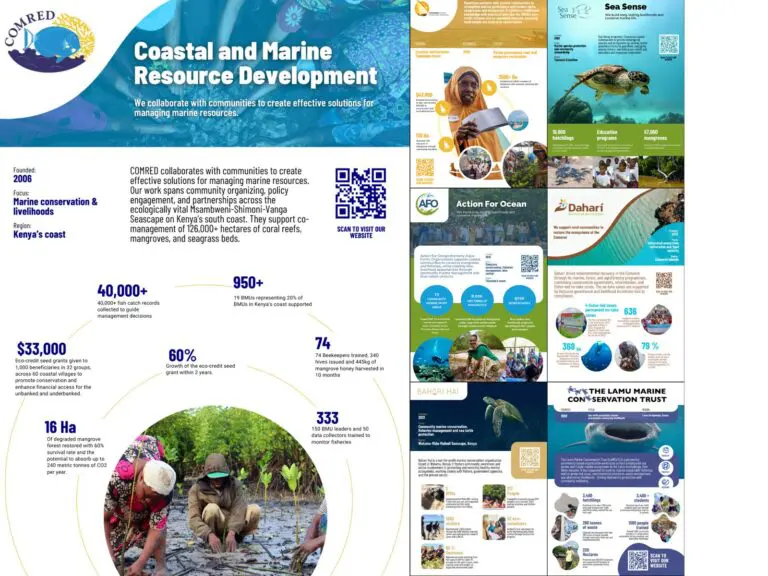
“Local organizations like ours bring deep knowledge, rooted relationships, and long-term commitment to the places and people we work with. But to unlock that potential, we need more funders to back us as leaders, not just implementers. The right kind of conservation funding creates a ripple effect: healthier oceans, stronger communities, more resilient ecosystems, and a generation of local leaders equipped to carry the work forward.” – COMRED, Mwambao and Sea Sense reflect on a transformative three-year grant from the Norwegian Agency for Development Cooperation (NORAD).

Responding to crisis → 

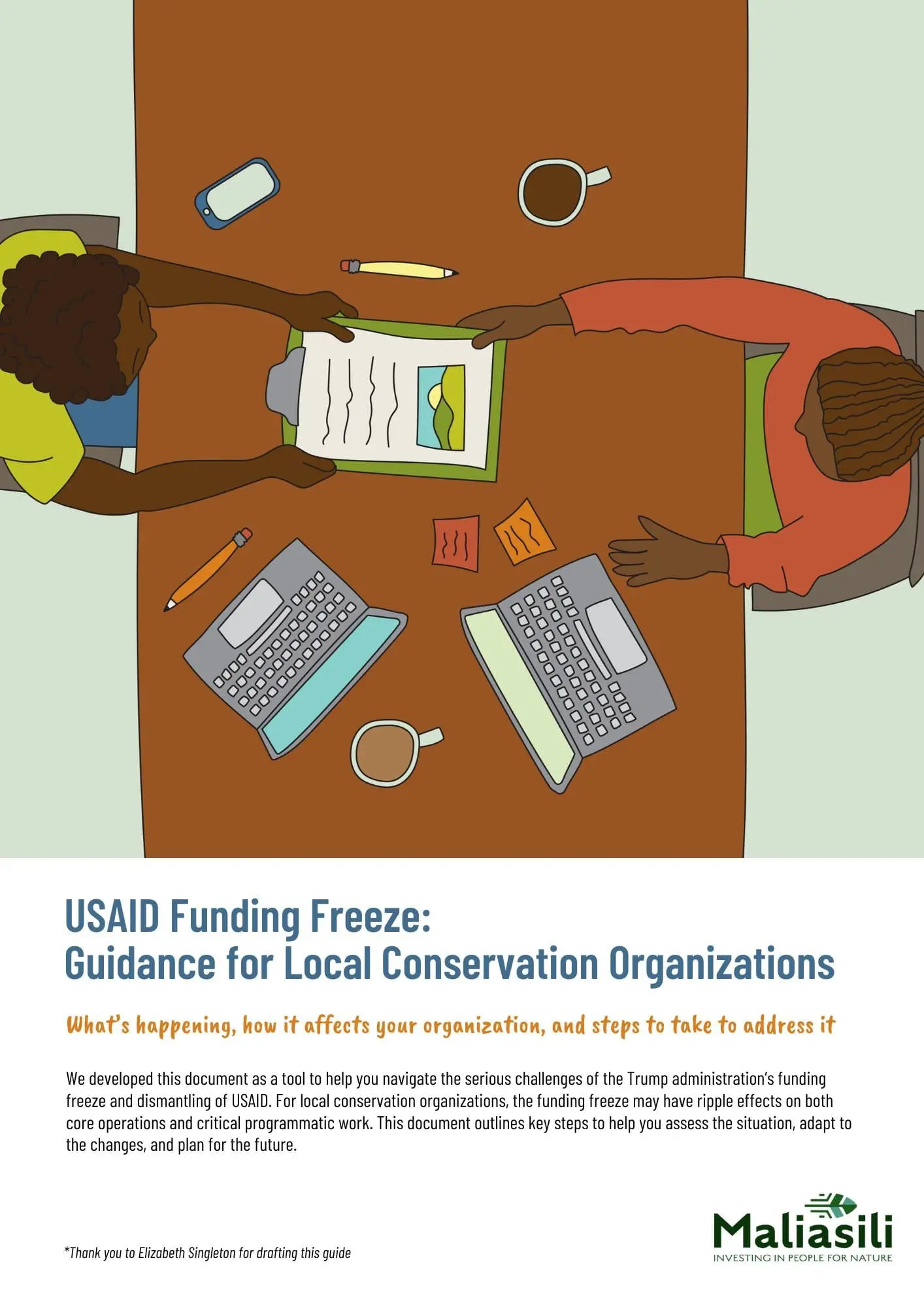
When the USAID funding freeze was announced in January, leading to its eventual dissolution, it sent shockwaves rippling across the entire conservation sector. A quarter of our partners were directly affected, and we moved swiftly to help them assess risks, rework budgets and explore new funding paths. We rallied our partner network and leadership community to share insights, support and created a tool to help them navigate the shifting landscape.

We accelerated $2.3 million in planned grants from the Maliasili Conservation Fund, and disbursed an additional $300,000 in rapid-response funding to 11 organizations facing urgent gaps. These early, flexible funds allowed essential work to continue, giving partners breathing room as they figured out their next steps.

“I had the best night’s sleep in quite a while – not only because of the funding, but because it reminded us we are not alone. In difficult times like these, the burden is shared.”

This crisis marks the beginning of a longer period of adjustment. Even as we acknowledge its severe impacts, we are also focused on the opportunity to reshape how aid works so local organizations can lead with greater autonomy. The more we stand together with our partners and supporters, the stronger and more resilient the movement becomes. 

Operations

Systems that turn vision into impact

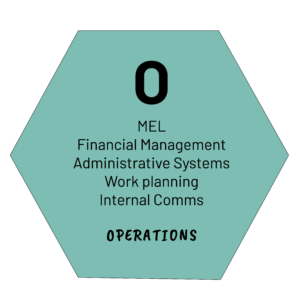
Strong operations – finance, HR, planning, MEL – are the backbone of effective organizations. This year, our partners took major steps forward to make their organizations more resilient, more accountable, and more ready for growth. 

Monitoring, Evaluation and Learning (MEL) has been a particular area of growth for many of our partners, and steady investment is helping partners strengthen the quality of their data, use it more effectively, and build greater confidence in sharing their impact. 

At our MEL workshop with Tsavo Trust, what really stood out was the shift in mindset: MEL is not a silo. MEL + comms + fundraising = learning, visibility, and resource mobilization.
From growth to impact → 

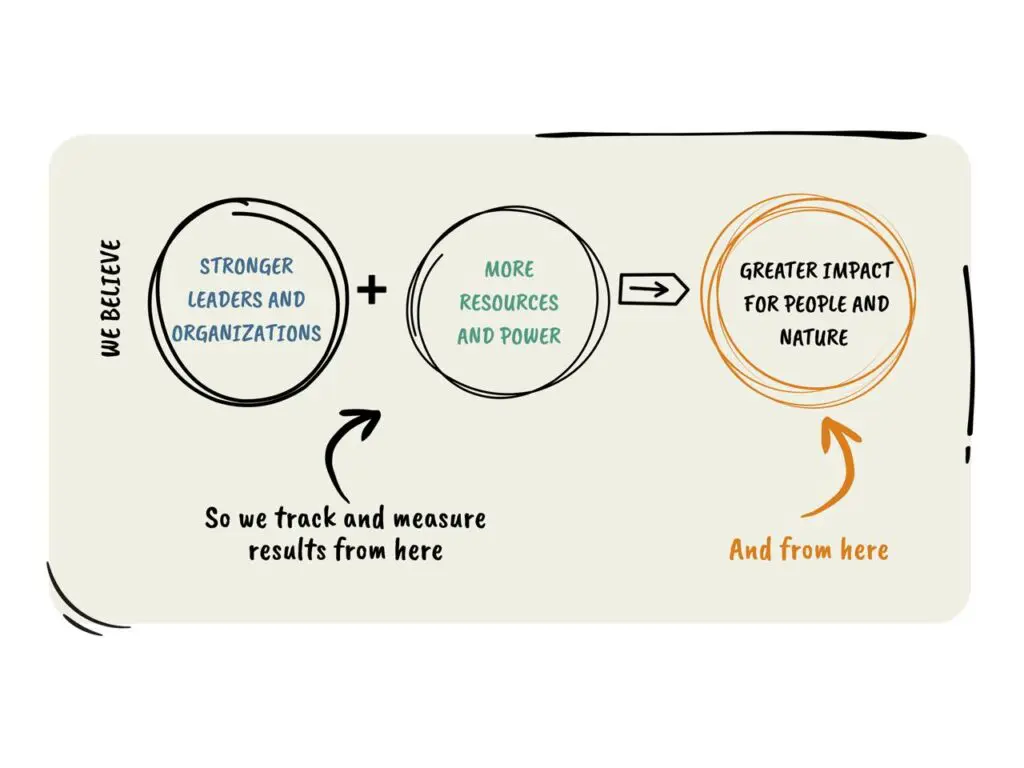
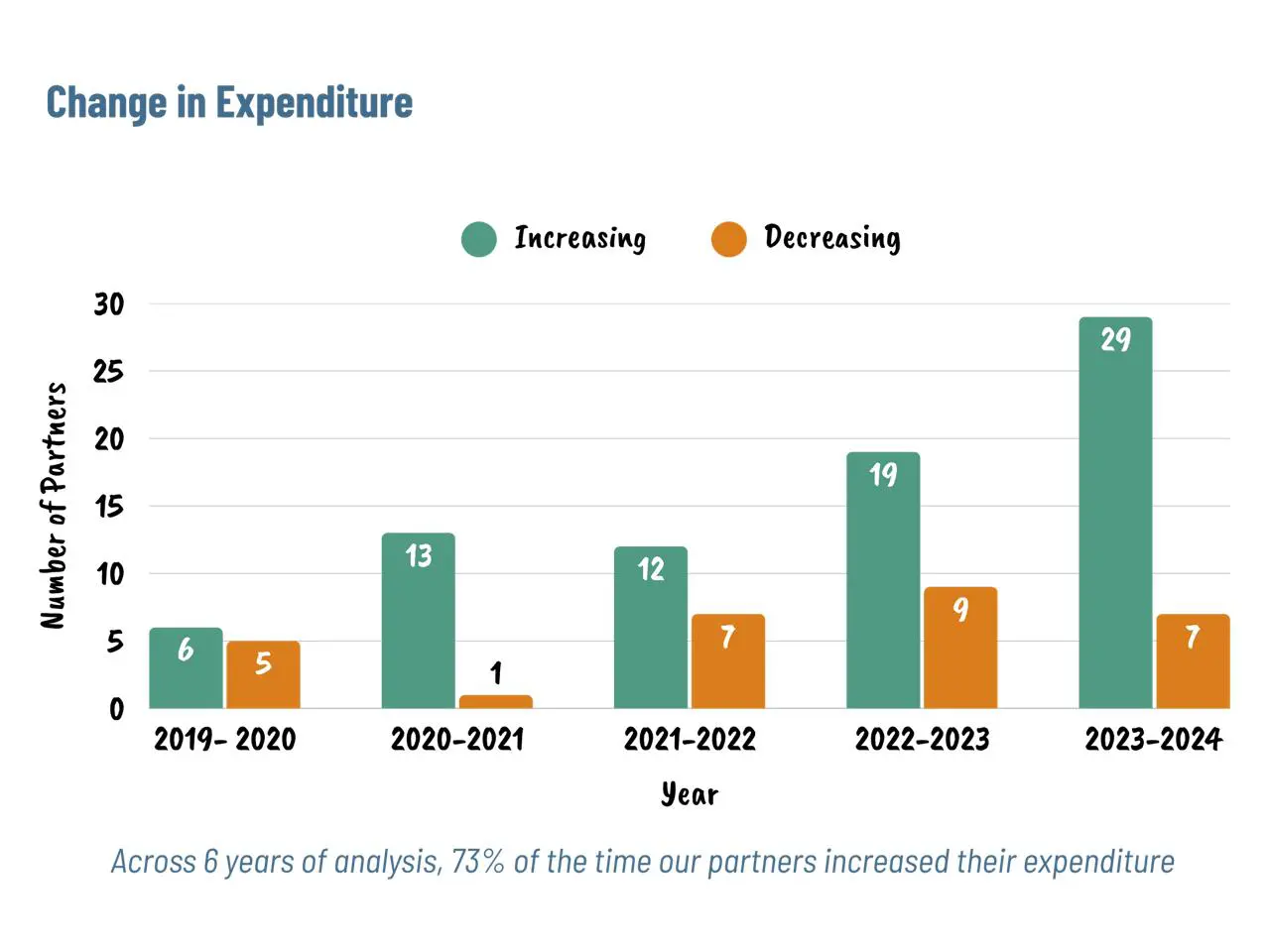
MEL was also a big theme for our internal work at Maliasili in 2025. We launched our first-ever Portfolio MEL Insights Report, which brings together partner data to show how organizational strength translates into real impact across Africa.

The results were encouraging; a clear picture of growing capacity, healthier finances, and expanding scale across our portfolio. We’ll continue refining this work, but already it’s helping partners use data not just to report progress, but to tell stronger stories, strengthen fundraising, and make better strategic decisions.

Networks

Collective power and shared voice

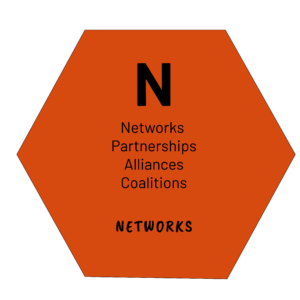
For too long, local African conservation orgs have been visible on the ground, but overlooked in the rooms where decisions are made. Their expertise was often undervalued, their leadership underestimated, and their roles confined to “implementors” of agendas that are set elsewhere.

But that narrative is changing. Across the continent, and on global platforms, leading African civil society organizations are stepping into their power. They know who they are and what they stand for. They are sharing a unified message with confidence. They are influencing policies, hearts and minds and representing Africa’s locally-led conservation movement on the world stage.

Together, they’re demonstrating that transformational change happens through networks of strong, connected organizations that collaborate and lead from shared purpose.

WIOMSA - Communities leading the conversation → 

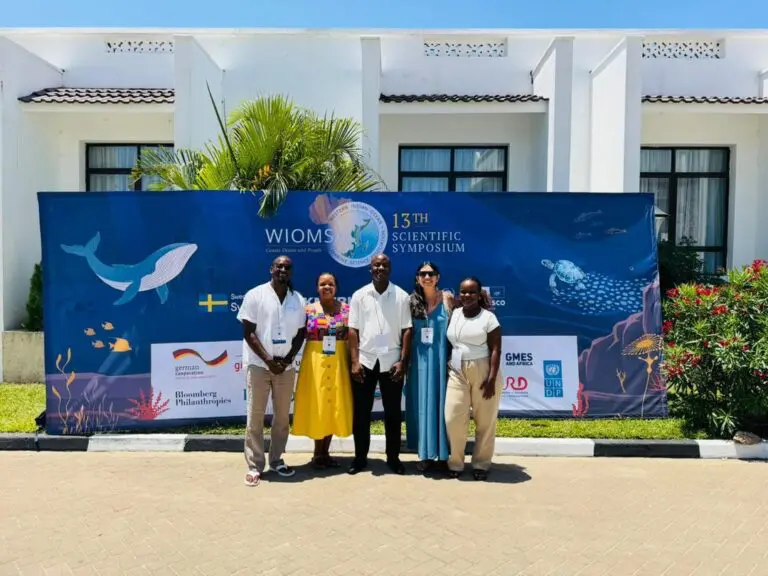
At the Western Indian Ocean Marine Science Association Symposium, we supported alumnae of the African Marine Conservation Leadership Program in creating and delivering the Community Marine Leaders Hub, where fishers, youth, and community leaders stood alongside scientists and policymakers to share their lived experiences, Indigenous knowledge, and solutions. 

World Conservation Congress: African leadership on the global stage →

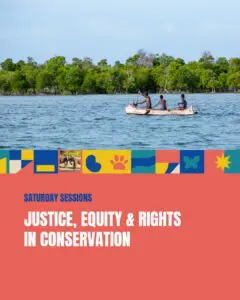
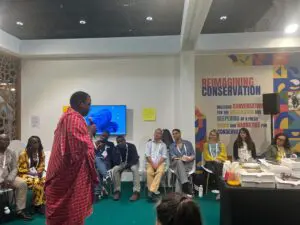
The World Conservation Congress is one of the most influential conservation gatherings in the world – a place where agendas are set, narratives are shaped, and global priorities take form. This year, our partners arrived not as isolated organizations navigating a massive event, but as a coordinated African delegation with a shared voice and a clear purpose.

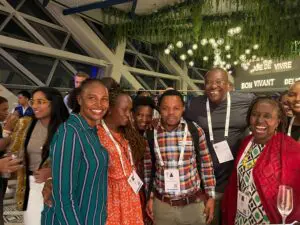
We worked closely with 22 of our partners to prepare for WCC with joint messaging and prep sessions. We were also a co-host of the Reimagine Conservation pavilion, which provided a space for community-led conservationists around the world to have their voices, experiences, and interests heard.

The result was remarkable: 45+ leaders secured 60+ speaking opportunities, appearing on high-level panels, technical sessions, and community dialogues. The group met each morning of the conference at a family meeting to strategize and energize for the day.

What stood out was how much stronger they felt as a collective: supporting one another, amplifying each other’s voices, and stepping onto the global stage with confidence and purpose. Across the week, the message was clear: local organizations no longer want to be on the margins of global conservation – they want to tell the story.

This is what a movement looks like. 
“More community voices are coming up in global conversations.”

– Fred Loure, Ujamaa Community Resource Trust
“The big lesson for me is: never go to a conference alone. We worked as a group, we supported each other, and we had our voices heard because we prepared together before coming. That really stays with me."

– Julie Hanta Razafimanahaka, Madagasikara Voakajy

African Conservation Leadership Network, 5th Cohort: From leaders to landscapes →  

“An army of ants, if united, could lift up a lion. The little that you can do will bring about change…not my legacy, but a collective one.” With these words, Sinegugu Zukulu of Sustaining the Wild Coast captured the spirit of ACLN 5 – a cohort defined by individual growth that transformed into a deep commitment to collective leadership.

The group took a powerful step forward, transitioning into Leaders Lab KAZA, our collaboration with Commonland. It’s a space designed to spark deeper leadership, stronger relationships, and bolder collaboration across the Kavango-Zambezi Transfrontier Conservation Area and beyond, one of the world’s largest connected conservation landscapes.

Our leadership programmes continue to be platforms where leaders learn, share and grow together. They connect, challenge each other, swap hard-won lessons, and build the kind of support systems that keep them grounded when the work gets tough.

The Leaders Lab is the next exciting chapter in our commitment to back local leaders, to strengthen the organizations they guide, and to help weave a stronger, more united conservation community across this critical landscape. 
“In this room, borders have disappeared. We’ve shared meals and laughter as friends and are showing up as our authentic selves.”

— Itai Moyo, Tikobane Trust
“We started with nothing – just young people with a dream to change our community. I don’t buy the notion that things cannot be done. If you have the courage to start, even the slightest change becomes possible.”

- Ndlelende Ncube, Tikobane Trust
I wanted to share a quick reflection on the last week….

Not long ago, we all worked alone across a vast, remote landscape; today through the African Conservation Leadership Network and the Leaders Lab, we are gathering forces and voices. This week, at the head of the great Victoria Falls, we continued to chart our course into the challenges and opportunities for the future. A small spring surfaces from beneath, high upon a lonely mountainside, where it begins its lonely, tangled journey downward. But in time, it joins another stream from another remote and isolated origin. These streams join others, and others, coming from similar journeys and develop into something larger - a river. This river joins other rivers. Together, we are that force. Through a unified vision, connected action, and collective voice, we are “The Smoke That Thunders.”

- Matt Becker, CEO of Zambia Carnivore Programme

Calling for smarter, more strategic funding → 

“In reality, local organizations have the expertise and experience but lack the resources to grow precisely because they are underfunded. The real issue is not a lack of capacity but rather a lack of direct, flexible, and long-term funding. Instead of perpetuating the 'capacity myth,' we have the opportunity to recognize that capacity is built through investment, not an inherent limitation.”
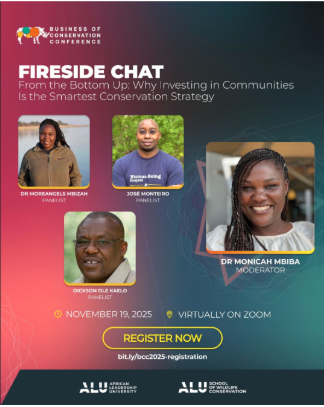
At the African Leadership University’s Business of Conservation Conference, our partners reminded us why investing in communities is the smartest, most cost-effective conservation strategy. As Dickson Kaelo put it, “Community conservation is cheaper… with fewer resources you can do so much more.” Yet it remains seriously underfunded.
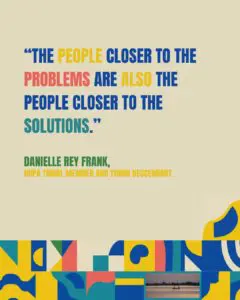
Leaders called for a shift from benefits to power and revenue sharing, with Moreangels Mbizah insisting that communities are “shareholders, not beneficiaries,” and José Monteiro noting that “securing land rights and governance systems are investments, not costs.” Their message was clear: when communities lead – with the right resources and enabling conditions – conservation becomes more equitable, more efficient, and far more sustainable.

Governance

Trust, accountability and the foundations of leadership

Strong governance is the architecture behind every effective organization. It’s what turns vision into clarity, leadership into accountability, and community trust into lasting impact. Many of our partners strengthened the systems that keep them grounded – revitalizing boards, clarifying roles, building transparent decision-making structures, and strengthening community governance.

Many organizations struggle to make the most of their boards. Our CEO, Fred Nelson, shared his insights on what it takes to build a strong board and why it’s so crucial for effectiveness: 
“When I started, I didn’t even really know what a board was. I was a biologist, and my understanding was just that you have to have one, hold a meeting once a year, and tick that box. Our board was very supportive, but they didn’t get involved in operations. With Maliasili’s guidance, we began figuring out how to engage them — how to structure the board, clarify roles, and leverage their skills. It’s still a work in progress, but now it’s becoming a real asset for the organization rather than just an obligation.”
- Matt Becker, Zambia Carnivore Program

Welcoming a new board member →

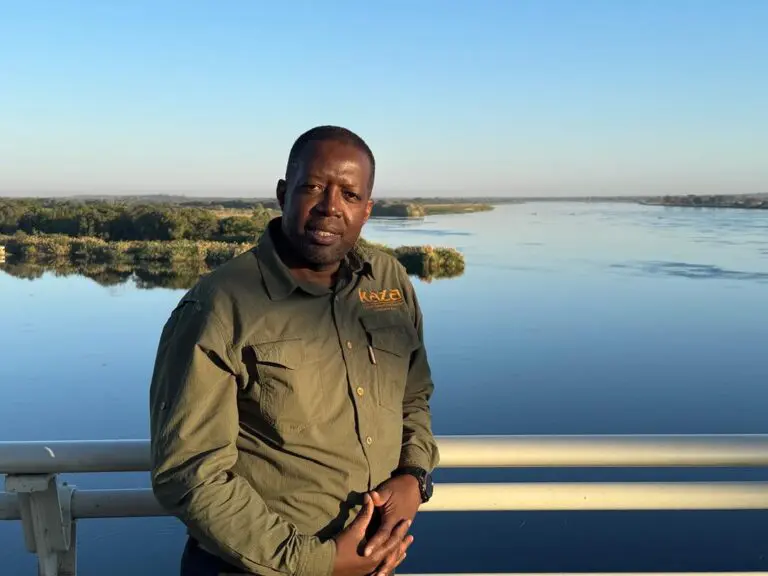
We were thrilled to welcome Nyambe Nyambe, Executive Secretary of the Kavango-Zambezi Transfrontier Conservation Area (KAZA), to our Board of Directors. A leading voice in conservation, Nyambe brings deep expertise and leadership experience that will help Maliasili’s strategic direction and governance.
“I believe in the power of collective action and networks. Maliasili is an excellent practitioner and facilitator of hands-on processes that build and nurture networks, and building teams for collective action. Joining the Maliasili Board is a huge privilege and an exciting opportunity for me to contribute to this exciting vision which has at its core the strengthening of partner organisations.”

Our Supporters

For 15 years, Maliasili has been able to do this work - and increasingly support more community-led conservation organizations and growing impact - because of the funders that we have worked with, often through long-term partnerships. Some of you have been with us from the very beginning, taking a chance on us when we were young and still finding our way. Others have walked alongside us for many years, backing our vision. Some have only recently joined us and are just beginning this journey together through shared interest in accelerating community-led conservation in Africa and beyond. At every stage, every supporter of our work has mattered. Without you and your support, none of what we’ve described in this report would be possible. Community-led conservation efforts across our partner landscapes are stronger because of you, and we are deeply grateful.

Thank you →

Collaborating Partners
Africa Nature-based Tourism Platform
Blue Ventures
Commonland
Synchronicity Earth
The Nature Conservancy
Well Grounded
Wildlife Conservation Network
World Resources Institute
Strategic Funding Partners
Anonymous (2)
BAND Foundation
Bezos Earth Fund
Critical Ecosystem Partnership Fund
Dry Creek Foundation
Flexi-Plan Foundation
Greenwood Place
Gregory and Jennifer Alexander
Hempel Foundation
Irène M Staehelin Foundation
Livelihood Impact Fund
Liz Claiborne & Art Ortenberg Foundation
Margaret A. Cargill Philanthropies
Milkweed Foundation
Mulago Foundation
Paul M. Angell Family Foundation
Personio Foundation
Pilot House Philanthropy
Relex Foundation
Sall Family Foundation
The Green Park Foundation
Trafigura Foundation
Tundra Glacier Fund
Supporters
Anonymous (4)
Anthony & Jeanne Pritzker Family Foundation
Ben Gallant
Carl Spector
Charles Fritz
Donald Slavik Family Foundation
Drollinger Family Charitable Foundation
Georgina Domberger
Imago Dei Fund
Jill Nelson
Jonathan Harvey
Jonathan Wechsler
Kevin Starr
Linden Trust for Conservation
Madagascar Biodiversity Foundation (FAPBM)
Marilyn Leff
Martha Nelson
Rainforest Trust
Raveendran Venugopal
Richard and Judith Gilmore
Sarah and Jed Nussdorf
The Stockel Family Foundation
Susan and Sanford Fitch Charitable Fund
Tides Foundation
The Chicago Community Foundation
Vanguard Charitable/The Hattendorf Kau Social
Impact Fund
Vanguard Charitable/The Stahl Kim Family Fund
Warren Nelson
World Wildlife Fund
Maliasili existe pour aider les organisations locales de conservation talentueuses à surmonter leurs défis et contraintes, afin qu’elles puissent devenir des acteurs de changement plus efficaces au sein de leurs paysages, communautés et pays.

S’abonner à notre newsletter trimestrielle

Inscrivez-vous avec votre adresse e-mail pour recevoir nos actualités et mises à jour.
Nous respectons votre vie privée.

© Maliasili 2014 - 2026

4 Carmichael St, Suite 111-193, Essex Junction, VT 05452

Maliasili est reconnue comme une organisation caritative publique (501c3) par l’Internal Revenue Service.