

"A little rain each day will fill the rivers to overflowing." — Liberian Proverb

2025 Annual Report

A year of strength, resilience and united voices.

This year began with shocks that unsettled the entire conservation sector. Many organizations faced profound disruptions, including the aid cuts that rippled across civil society and political upheavals that took place in a number of African countries. And for many, the dust has not settled. The impacts will be felt for years, especially by those on the frontlines whose work depends on stability, trust and long-term investment. Our hearts go out to those affected, and Maliasili stands by our partners and the community-led conservation movement as a whole, as such organizations are often the only beacons in their communities in times like these.

And yet, even in this challenging context, something powerful emerged. Across the community-led conservation space, our partners continued to move forward with clarity, courage and determination. They continued their important work while also boldly raising their voices. We saw them negotiate for better funding, shape conversations and major events, lead national networks, and articulate ambitious visions for the futures of their communities and ecosystems. These weren’t isolated moments, but a reflection of the powerful movement taking shape: local organizations stepping forward not only as implementors, but as local, national, and global leaders with the power to shape the agenda.

At the heart of this transformation is what we at Maliasili see as organizational strength and collective action and impact. These intentional foundations allow leaders to make sound decisions, build trust, mobilize resources, and sustain impact over time. Strength is what converts potential into power. It is what turns a good organization into a lasting one. And in a year defined by uncertainty, that strength mattered more than ever.

2025 at a glance:

71 million hectares

of land and seascape are under conservation by our partners

15 million people

engaged in interventions and benefits

58

outstanding community-led conservation organisations

22 partners supported

with strategic planning

52 leaders

across 3 new leadership programs

$4m+

provided to partners through direct funding and regranting

Our Partners

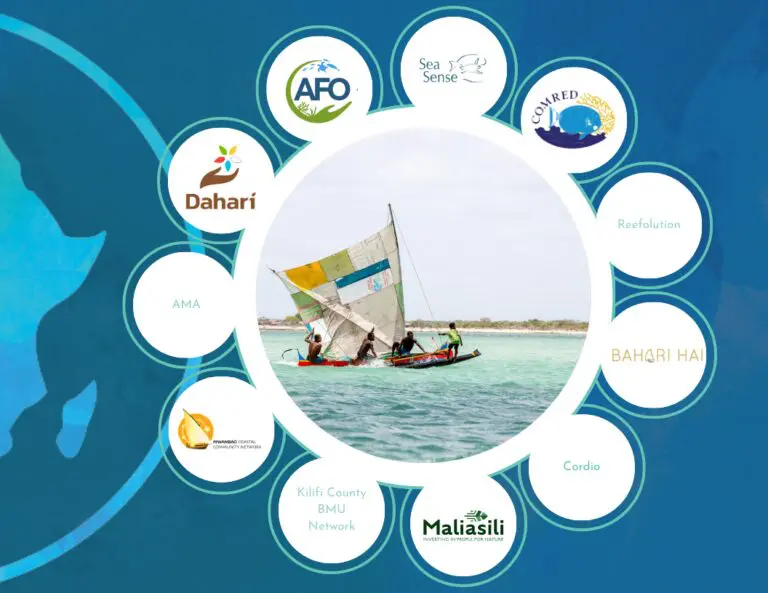
Maliasili works with a carefully selected portfolio of leading local African organizations that work directly with communities to manage, benefit from, and steward their lands and natural resources.

We identify outstanding partners and support them in developing clear strategies and communications, attracting more funding, and strengthening their leadership so they can achieve even greater impact for people and nature.
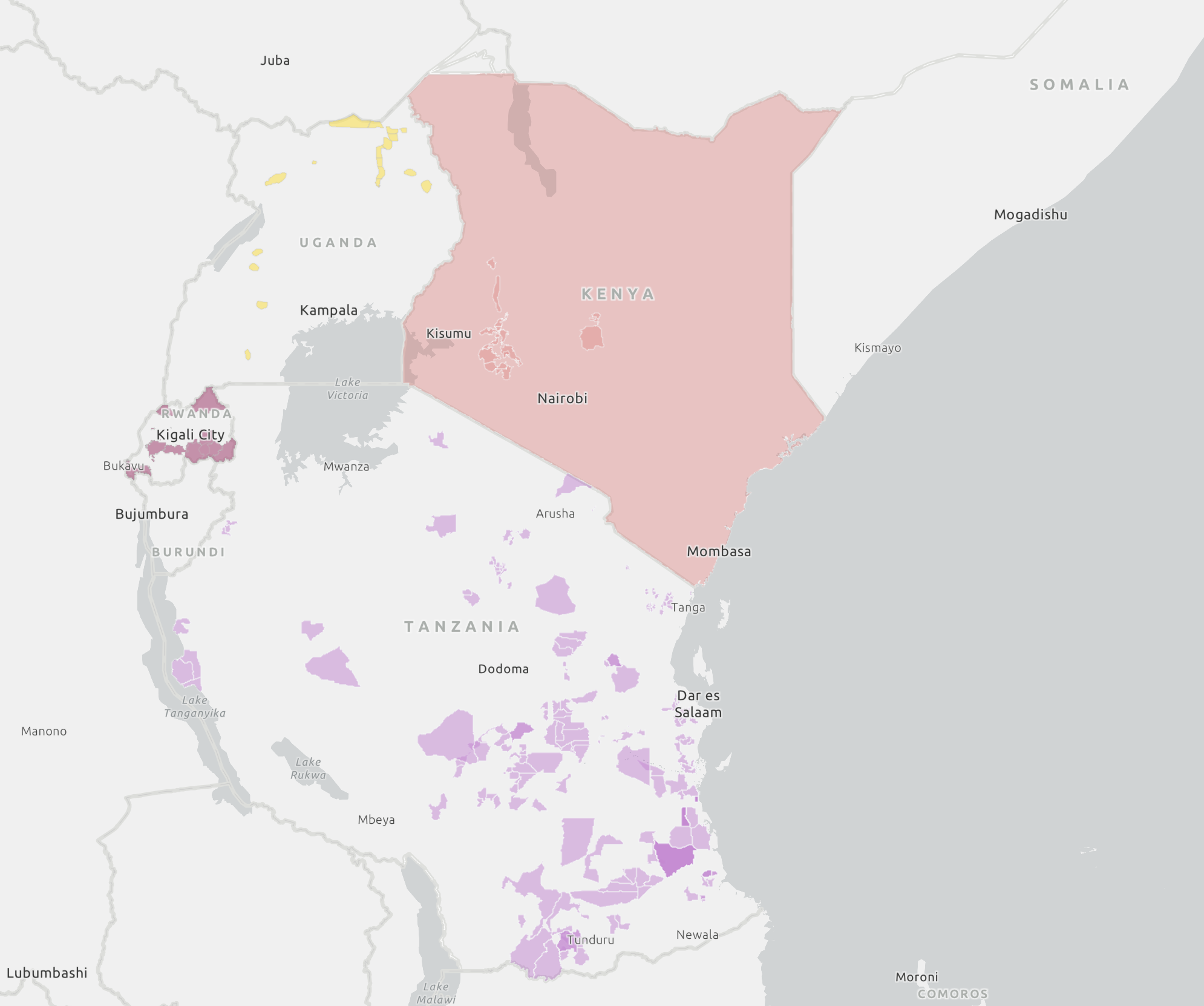
Our partners work across 71 million hectares of interconnected landscapes and seascapes – rangelands that sustain millions of people; rainforests that regulate regional climates; coastal mangroves buffering storm surges; and wetlands that feed great rivers. These places are not isolated; they form ecological corridors where wildlife moves, water flows, cultures thrive, and climate resilience is built.
“Every grassroots conservation organization needs a partner like Maliasili.”
– Jean Claude Dusabimana, Nature Rwanda
Partners
Where they work

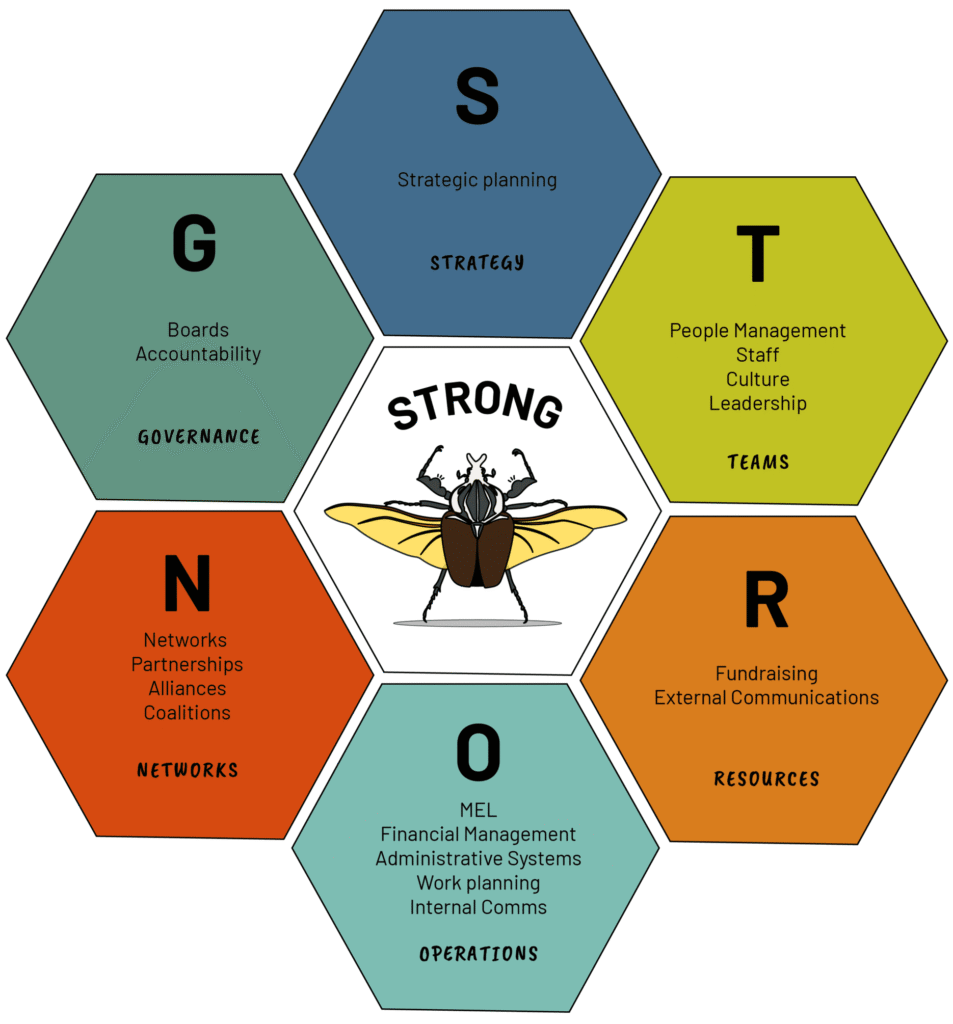
STRONG: The fundamentals of effective organizations

“Maliasili helped us step back and think about ourselves as an organization, not just a project. Having a clear strategy and systems in place has made us more confident, more credible, and better able to plan for the long term.”
-Andrew Stein, CEO, CLAWS (Botswana)
Effective organizations – no matter their size, geography, or mission – share one common trait. Strength is not accidental; it is built. In conservation, where local organizations often carry the heaviest responsibilities with the least support, intentionally building that strength allows them not just to survive, but to lead and thrive.

Our STRONG framework captures the six fundamentals that high-performing organizations consistently get right. These practical pillars determine whether an organization can adapt, inspire trust, secure funding, make good decisions, and create lasting impact.

This year, we’ve seen our partners grow across every dimension of the STRONG framework, laying the foundations to lead with confidence and impact.

STRONG stats:

22

partners supported with strategic planning

23

partners strengthened their teams and culture

29

partners received communications support

21

partners strengthened their internal systems

23

partners attended the World Conservation Congress

12

partners worked on boards, governance and accountability systems

STRATEGY

Ambitious, grounded, and purposeful

A strong strategy is a declaration of intent. It reflects clarity, confidence, and courage and sets a bold direction for the future. This year, we saw our partners develop strategies that are ambitious, community-centred and grounded in deep landscape understanding.
"There are many things that we did not know that we did not know. The strategic planning process helped us see these things and now we know where we are going and how we are going to get there."
– Gashumba Damascene, REDO
MJUMITA is Tanzania’s only legally recognized community forest network, uniting 132 community-based organizations and over 15,000 members to strengthen community forest governance, secure land rights, and scale community-based forest management nationwide.

Their strategic goals include:
Legalizing rights and empowering communities to manage 2.5 million hectares of unreserved village forest
Strengthening governance and policy frameworks in at least 50 villages 
Building climate resilience by training 5,000 community members, supporting 50 institutions 
FAMELONA in Madagascar co-manages critically important rainforest, mangrove, and marine ecosystems of the Sambirano domain. Their Strategic Goals include enabling independent community governance across half of their 165,000-hectare landscape. 
Herp Conservation Ghana is West Africa’s leading amphibian conservation organization. Their new strategic plan aims to expand the OnePone Endangered Species Refuge and create more community-managed protected areas.

Teams

People who power the mission

An organization's greatest asset is its team - the people and leaders who show up every day to make change happen. In 2025, we saw partners deepen their investment in what matters most: leadership and building cohesive, values-driven, self-aware teams who can navigate complexity, collaborate with confidence, and lead their organizations into the future. 
“One thing that was rewritten in my mind is: Leadership is not a destination, but a continuous journey of growth…Understanding who you are and how that influences your way of working is truly worth exploring.”
– Esther Mhamila (Action For Ocean)

A stronger community of leaders for Madagascar’s future →

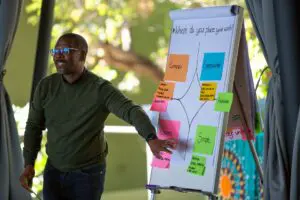
The second cohort of the Madagascar Environmental Leadership Program (MELP 2) wrapped up a nine-month journey of personal, team, and systems leadership. From learning to balance self, team leadership, and strategy, to reframing local communities as agents of change and donors as genuine collaborators, the cohort expanded both their perspectives and their collective power.

MELP 2 culminated in a visit to Ecovision Village, a private-sector restoration initiative employing over 100 local people, many of whom were former loggers, in nursery management, dynamic agroforestry and corridor restoration. Inspired by the model, the cohort collectively sponsored a restoration parcel connecting the Mantadia and Analamazaotra National Parks. It was their first act of joint impact and a commitment to continued collaboration.

“I'm happy and lucky to be part of the MELP 2 cohort. I used to be overloaded at work, but now I’ve learned to prioritize and say no to other responsibilities. I’ve also taken time to listen to my team in organizing and planning our meetings.” – Solo Randriamparany, Association Fosa

Africa Conservation Leadership Network 6: East Africa’s conservation and restoration leaders → 

We launched the sixth cohort of the African Conservation Leadership Network (ACLN 6) through our long-term partnership with The Nature Conservancy. It’s funded in part by The Bezos Earth Fund, which is channeling money directly to 200 local restoration champions around the world through a partnership the World Resources Institute, and investing in their leaders and organizational development.

This cohort brings together 20 leaders from 10 organizations in East Africa, all of which are existing Maliasili partners. These organizations are stewarding some of the region’s most important landscapes: Uganda’s emerging community conservancies, Kenya’s water towers, Rwanda’s forests, and Tanzania’s wildlife corridors.
“On 4th August, I checked in as a boss. On 8th August, I checked out as a leader. Here’s how that transformation happened...The African Conservation Leadership Network under Maliasili was more than just a training. It was a mirror showing me who I am as a leader. A compass pointing me toward where I need to go. A challenge pushing me to step up and lead differently.”
- Andrew Mariki, Community Wildlife Management Areas Consortium (Tanzania)

Building a culture of team-wide leadership →

Great leaders build great organizational cultures that empower team members to carry the work forward. This year, we supported several partners in building strong, values-driven cultures where collaboration drives results.
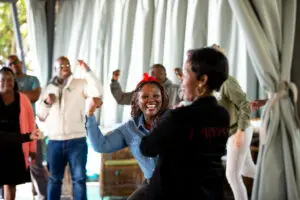
Action for Ocean (AFO) is an entrepreneurial marine organization partnering with Tanzania’s coastal communities. Their team workshop was a whirlwind of energy, which helped the young, dynamic group realize how their openness and enthusiasm can strengthen the way they work together:
“This experience reinforced a core principle: strong, high-performing teams are built on understanding differences, addressing conflicts constructively, and creating a culture of trust and openness.” – Action For Ocean on LinkedIn
Dahari supports rural communities to restore the forests and reefs of the Comoro Islands. Their senior management team of 11 has been benefiting as a group from leadership training from Maliasili:
‘In our three one-week trainings over the past 18 months, we have delved deep into questions of power and vulnerability, and emerged stronger as individuals and a collective. Now we are looking forward to taking the lead in guiding the rest of our 60-person team through a similar process in 2026’.
-Misbahou Mohamed, Co-Director, Dahari
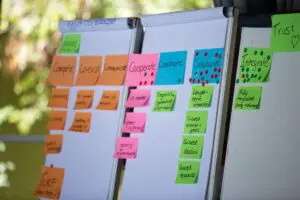
The Namibia Nature Foundation, a trusted leader in community-driven natural resource management, explored self-awareness and team dynamics during a workshop that included various tools, such as MBTI. We helped the NNF team dig into challenges, identifying practical next steps:
“This workshop was something we’ve definitely needed at NNF. We’ve spoken a lot in the past about how we can better work with each other, understanding each other a little bit better…We feel like we’ve now got a way forward with some of the issues we’ve been having for a few years.” - Frances Chase, Namibia Nature Foundation 

Resources

Better money, better messages

Across our portfolio, partners shifted from chasing money to pursuing the right kind of money – mission-aligned, flexible and strategic. As part of this, they’re increasingly investing in their communications as a tool for resourcing their work. 

We brought together Zimbabwe Environmental Law Organization (ZELO), Southern Alliance For Indigenous Resources (SAFIRE), Wildlife Conservation Action (WCA), Tikobane Trust, CCAZ, and CAMPFIRE Association for a joint fundraising and communications workshop.  

They left not just with tools, but with a renewed sense of Zimbabwe’s conservation legacy and the spark to tell one unified story again. 

"The workshop gave me clarity on how fundraising and communications connect, and the importance of the two in achieving our goals, and making sure our organization is visible. I feel we now know what to do to showcase our work and impact. As a team, this had been a gap. We were also immersed in blindly applying for proposals. The workshop was an eye-opener: it helped us understand we should focus on building relationships first and connect the dots. It helped the team, including our comms officer, better understand why her work matters." Estella Toperesu, Executive Director, SAFIRE

We also brought together all our Rwanda partners for a similar workshop, helping them reframe fundraising as a strategy, not survival, and more.

“In our case, we didn’t realize we needed Maliasili until we began our strategic planning and discovered we were taking on too much…nor did I know I needed the confidence and courage to push back on misaligned funding. I tried this approach with a funder. I pushed back, stating that we needed an investment in our organization and were prepared to decline the money. The donor left, and we thought we had lost them. However, they wrote back two weeks later, accommodating all of our suggestions.” –  Jean Claude Dusabimana of Nature Rwanda 

View our collaboration with the Sustainable Finance Coalition in two Readers: an exploration of emerging financing models and a practical guide to making the most of them.  

Midway reflections on the MCF →

At Maliasili, we believe that transforming conservation means transforming how it is funded. For years, local African organizations have delivered extraordinary results for people, wildlife, and climate, but with too little flexible support to match their potential. The Maliasili Conservation Fund (MCF) set out to change that, testing what happens when you invest in organizations, not just projects.

Three years in, the results are powerful.

28

partner organizations in three key geographies

$14.5

in funding mobilized

59M Ha

supporting community-led conservation

94%

of organizations reported a deepening of their impact

x3

For every $1 from MCF, partners unlocked a further $3 in additional funding

26%

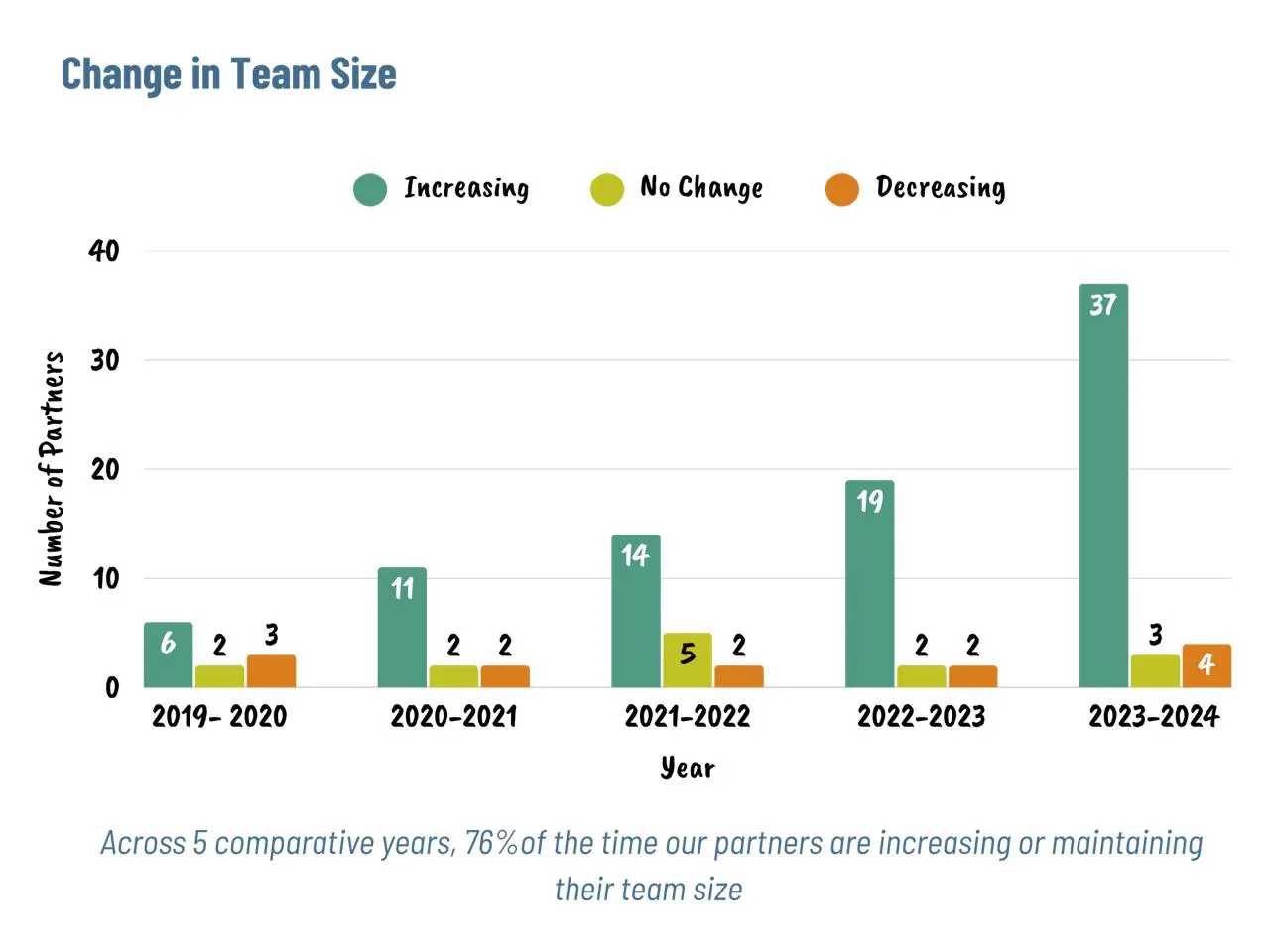
growth of team sizes, with 71% of partners hiring new staff
From reducing human-wildlife conflict by 60 percent in Zimbabwe to expanding community conservancies across 10 million hectares in Kenya to protecting Madagascar's forests and species, our partners are showing what real, flexible investment can achieve.

This impact report is not just a look back; it is a blueprint for what should come next.
“MCF was a complete game-changer. Our team growth was entirely dictated by the strategy, but without MCF, we couldn’t have hired the people we needed. The [MCF] funding allowed us to bring in critical roles – like a lawyer and a policy coordination officer – and professionalize the organization. It gave us the freedom to invest in the right people at the right time.”

– Alfred Mwanake, Taita Taveta Wildlife Conservancies Association (Kenya) 

Introducing Voices of Impact → 

A core part of strengthening resources is strengthening visibility. Too often, the stories of local organizations go untold. And when they’re not visible, they struggle to attract the right kind of funding, miss out on opportunities to shape the spaces where decisions are made, and the local conservation narrative loses the insights it needs the most: those rooted in lived experience and local reality.

That’s why we launched Voices of Impact, a storytelling series that puts our partners at the heart of the conversation, ensuring they are seen, heard, and recognized for the extraordinary work they lead every day. 
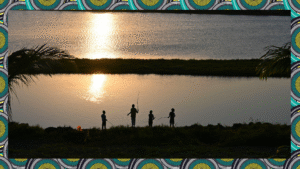
Reviving the watchers
When community elder Luciano approached Ocean Revolution Mozambique, they worked together to revive the traditional stewardship of The Watchers – restoring both the health of the sea and the livelihoods that depend on it.
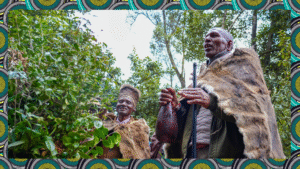
Culture, land and justice
In Kenya’s Mau Forest, the Ogiek people are fighting not just for land, but for identity and justice. Through the Ogiek Peoples’ Development Program, songs, stories, and ceremonies have become acts of resistance, keeping alive the knowledge and traditions that bind them to the forest. Even as their case continues at the African Court on Human and Peoples’ Rights, cultural gatherings are reclaiming identity amid ongoing displacement and marginalization.
Living with lions
One of the biggest threats to lions is habitat loss and fragmentation. Their historical range is only ~10% of what it used to be. On the other hand, lions pose immense danger to people living near wildlife areas, especially pastoral communities whose entire livelihoods can be wiped out in a single night. But CLAWS Conservancy in Botswana and KopeLion in Tanzania are combining Indigenous knowledge with technology, and making great strides towards coexistence. 
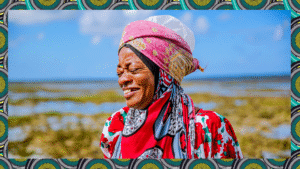
The ripple effect
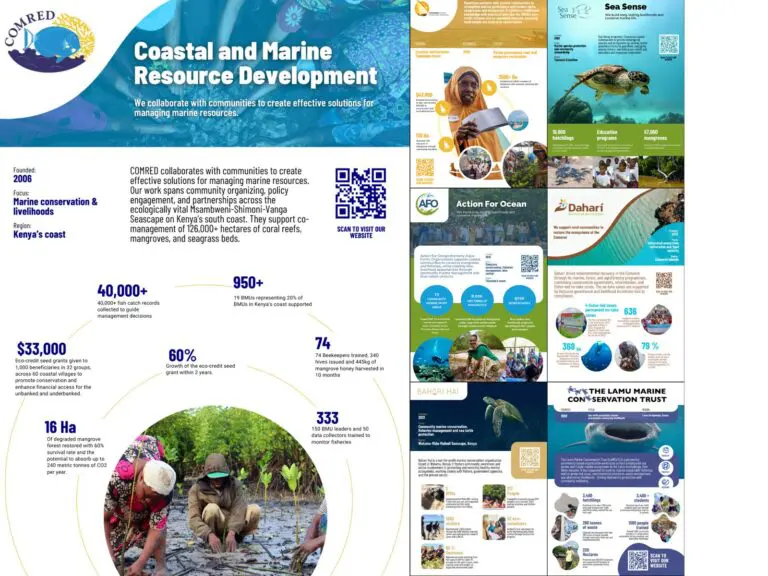
“Local organizations like ours bring deep knowledge, rooted relationships, and long-term commitment to the places and people we work with. But to unlock that potential, we need more funders to back us as leaders, not just implementers. The right kind of conservation funding creates a ripple effect: healthier oceans, stronger communities, more resilient ecosystems, and a generation of local leaders equipped to carry the work forward.” – COMRED, Mwambao and Sea Sense reflect on a transformative three-year grant from the Norwegian Agency for Development Cooperation (NORAD).

Responding to crisis → 

When the USAID funding freeze was announced in January, leading to its eventual dissolution, it sent shockwaves rippling across the entire conservation sector. A quarter of our partners were directly affected, and we moved swiftly to help them assess risks, rework budgets and explore new funding paths. We rallied our partner network and leadership community to share insights, support and created a tool to help them navigate the shifting landscape.

We accelerated $2.3 million in planned grants from the Maliasili Conservation Fund, and disbursed an additional $300,000 in rapid-response funding to 11 organizations facing urgent gaps. These early, flexible funds allowed essential work to continue, giving partners breathing room as they figured out their next steps.

“I had the best night’s sleep in quite a while – not only because of the funding, but because it reminded us we are not alone. In difficult times like these, the burden is shared.”

This crisis marks the beginning of a longer period of adjustment. Even as we acknowledge its severe impacts, we are also focused on the opportunity to reshape how aid works so local organizations can lead with greater autonomy. The more we stand together with our partners and supporters, the stronger and more resilient the movement becomes. 

Operations

Systems that turn vision into impact

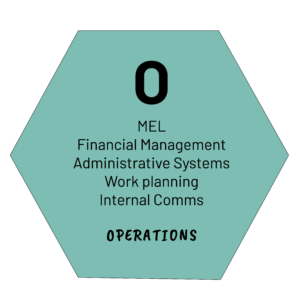
Strong operations – finance, HR, planning, MEL – are the backbone of effective organizations. This year, our partners took major steps forward to make their organizations more resilient, more accountable, and more ready for growth. 

Monitoring, Evaluation and Learning (MEL) has been a particular area of growth for many of our partners, and steady investment is helping partners strengthen the quality of their data, use it more effectively, and build greater confidence in sharing their impact. 

At our MEL workshop with Tsavo Trust, what really stood out was the shift in mindset: MEL is not a silo. MEL + comms + fundraising = learning, visibility, and resource mobilization.
From growth to impact → 

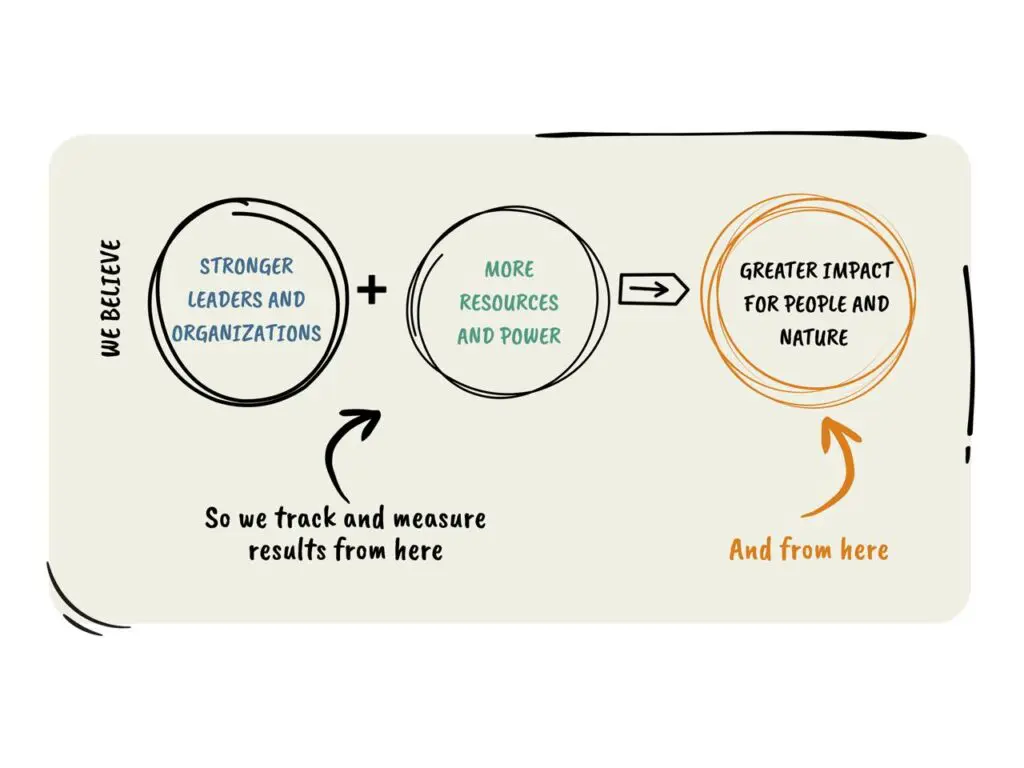
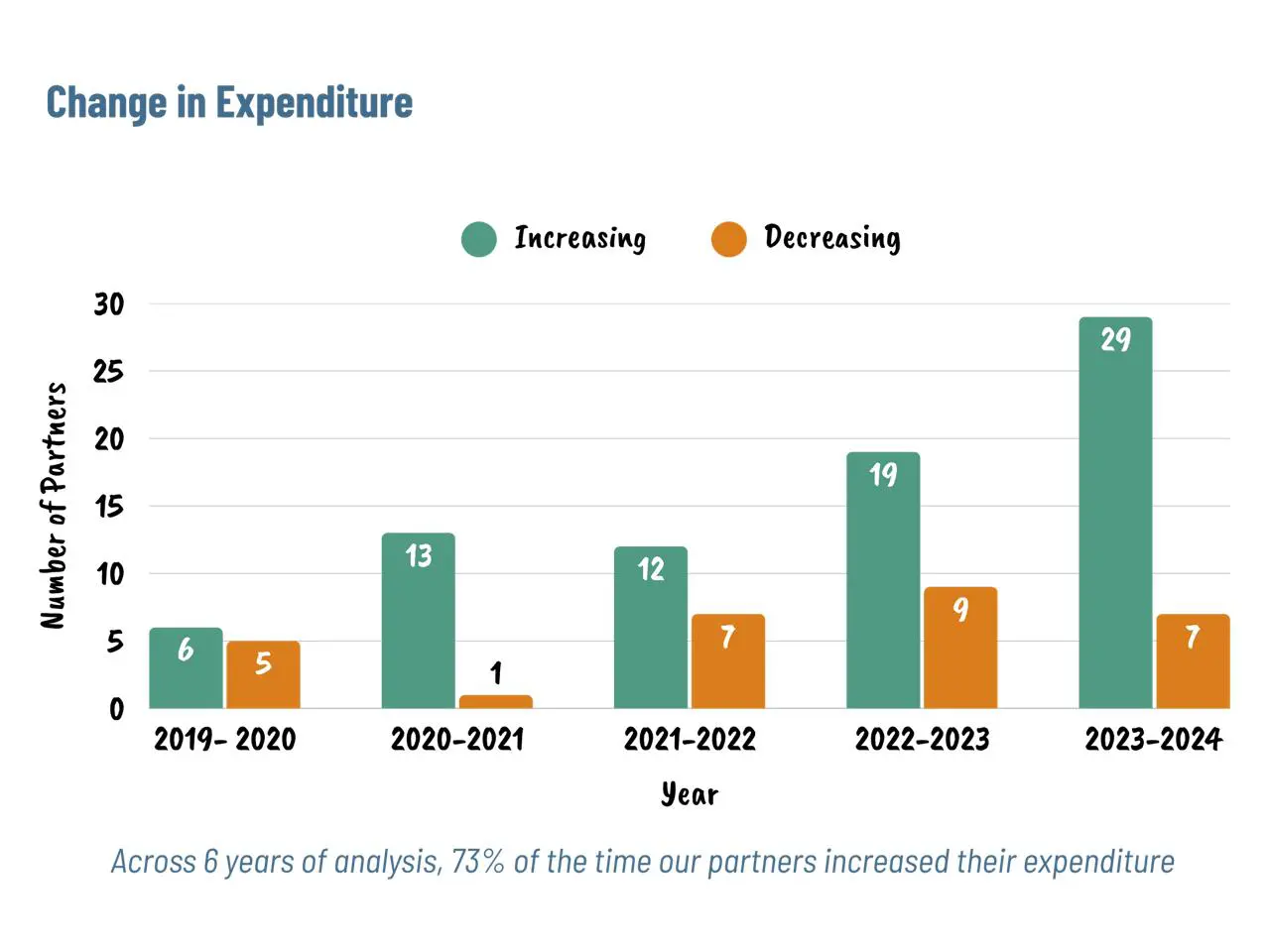
MEL was also a big theme for our internal work at Maliasili in 2025. We launched our first-ever Portfolio MEL Insights Report, which brings together partner data to show how organizational strength translates into real impact across Africa.

The results were encouraging; a clear picture of growing capacity, healthier finances, and expanding scale across our portfolio. We’ll continue refining this work, but already it’s helping partners use data not just to report progress, but to tell stronger stories, strengthen fundraising, and make better strategic decisions.

Networks

Collective power and shared voice

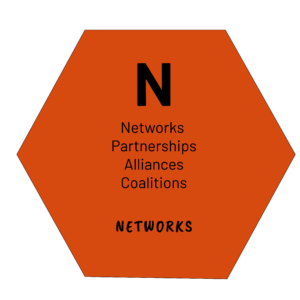
For too long, local African conservation orgs have been visible on the ground, but overlooked in the rooms where decisions are made. Their expertise was often undervalued, their leadership underestimated, and their roles confined to “implementors” of agendas that are set elsewhere.

But that narrative is changing. Across the continent, and on global platforms, leading African civil society organizations are stepping into their power. They know who they are and what they stand for. They are sharing a unified message with confidence. They are influencing policies, hearts and minds and representing Africa’s locally-led conservation movement on the world stage.

Together, they’re demonstrating that transformational change happens through networks of strong, connected organizations that collaborate and lead from shared purpose.

WIOMSA - Communities leading the conversation → 

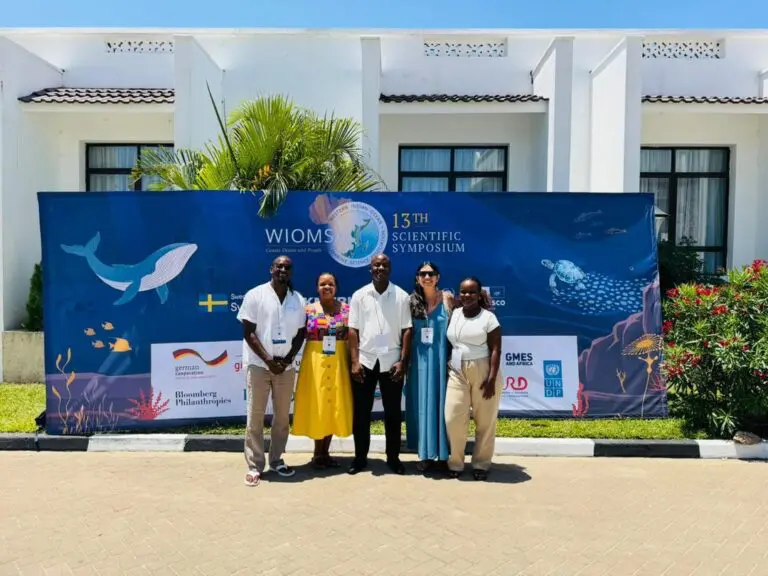
At the Western Indian Ocean Marine Science Association Symposium, we supported alumnae of the African Marine Conservation Leadership Program in creating and delivering the Community Marine Leaders Hub, where fishers, youth, and community leaders stood alongside scientists and policymakers to share their lived experiences, Indigenous knowledge, and solutions. 

World Conservation Congress: African leadership on the global stage →

The World Conservation Congress is one of the most influential conservation gatherings in the world – a place where agendas are set, narratives are shaped, and global priorities take form. This year, our partners arrived not as isolated organizations navigating a massive event, but as a coordinated African delegation with a shared voice and a clear purpose.

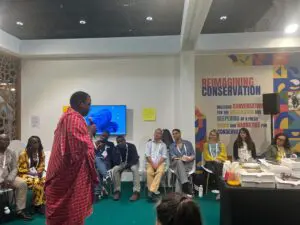
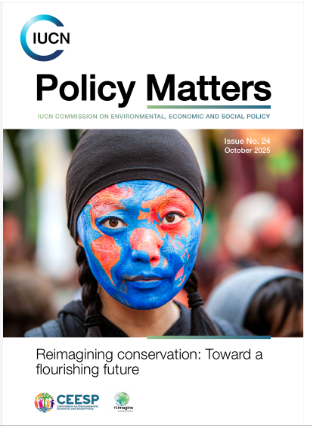
We worked closely with 22 of our partners to prepare for WCC with joint messaging and prep sessions. We were also a co-host of the Reimagine Conservation pavilion, which provided a space for community-led conservationists around the world to have their voices, experiences, and interests heard.

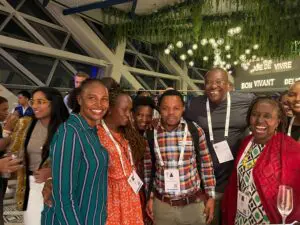
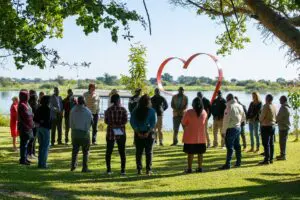
The result was remarkable: 45+ leaders secured 60+ speaking opportunities, appearing on high-level panels, technical sessions, and community dialogues. The group met each morning of the conference at a family meeting to strategize and energize for the day.

What stood out was how much stronger they felt as a collective: supporting one another, amplifying each other’s voices, and stepping onto the global stage with confidence and purpose. Across the week, the message was clear: local organizations no longer want to be on the margins of global conservation – they want to tell the story.

This is what a movement looks like. 
“More community voices are coming up in global conversations.”

– Fred Loure, Ujamaa Community Resource Trust
“The big lesson for me is: never go to a conference alone. We worked as a group, we supported each other, and we had our voices heard because we prepared together before coming. That really stays with me."

– Julie Hanta Razafimanahaka, Madagasikara Voakajy

African Conservation Leadership Network, 5th Cohort: From leaders to landscapes →  

“An army of ants, if united, could lift up a lion. The little that you can do will bring about change…not my legacy, but a collective one.” With these words, Sinegugu Zukulu of Sustaining the Wild Coast captured the spirit of ACLN 5 – a cohort defined by individual growth that transformed into a deep commitment to collective leadership.

The group took a powerful step forward, transitioning into Leaders Lab KAZA, our collaboration with Commonland. It’s a space designed to spark deeper leadership, stronger relationships, and bolder collaboration across the Kavango-Zambezi Transfrontier Conservation Area and beyond, one of the world’s largest connected conservation landscapes.

Our leadership programmes continue to be platforms where leaders learn, share and grow together. They connect, challenge each other, swap hard-won lessons, and build the kind of support systems that keep them grounded when the work gets tough.

The Leaders Lab is the next exciting chapter in our commitment to back local leaders, to strengthen the organizations they guide, and to help weave a stronger, more united conservation community across this critical landscape. 
“In this room, borders have disappeared. We’ve shared meals and laughter as friends and are showing up as our authentic selves.”

— Itai Moyo, Tikobane Trust
“We started with nothing – just young people with a dream to change our community. I don’t buy the notion that things cannot be done. If you have the courage to start, even the slightest change becomes possible.”

- Ndlelende Ncube, Tikobane Trust
I wanted to share a quick reflection on the last week….

Not long ago, we all worked alone across a vast, remote landscape; today through the African Conservation Leadership Network and the Leaders Lab, we are gathering forces and voices. This week, at the head of the great Victoria Falls, we continued to chart our course into the challenges and opportunities for the future. A small spring surfaces from beneath, high upon a lonely mountainside, where it begins its lonely, tangled journey downward. But in time, it joins another stream from another remote and isolated origin. These streams join others, and others, coming from similar journeys and develop into something larger - a river. This river joins other rivers. Together, we are that force. Through a unified vision, connected action, and collective voice, we are “The Smoke That Thunders.”

- Matt Becker, CEO of Zambia Carnivore Programme

Calling for smarter, more strategic funding → 

“In reality, local organizations have the expertise and experience but lack the resources to grow precisely because they are underfunded. The real issue is not a lack of capacity but rather a lack of direct, flexible, and long-term funding. Instead of perpetuating the 'capacity myth,' we have the opportunity to recognize that capacity is built through investment, not an inherent limitation.”
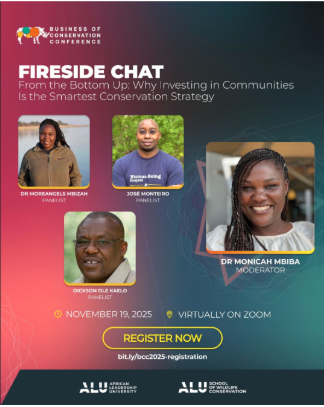
At the African Leadership University’s Business of Conservation Conference, our partners reminded us why investing in communities is the smartest, most cost-effective conservation strategy. As Dickson Kaelo put it, “Community conservation is cheaper… with fewer resources you can do so much more.” Yet it remains seriously underfunded.
Leaders called for a shift from benefits to power and revenue sharing, with Moreangels Mbizah insisting that communities are “shareholders, not beneficiaries,” and José Monteiro noting that “securing land rights and governance systems are investments, not costs.” Their message was clear: when communities lead – with the right resources and enabling conditions – conservation becomes more equitable, more efficient, and far more sustainable.

Governance

Trust, accountability and the foundations of leadership

Strong governance is the architecture behind every effective organization. It’s what turns vision into clarity, leadership into accountability, and community trust into lasting impact. Many of our partners strengthened the systems that keep them grounded – revitalizing boards, clarifying roles, building transparent decision-making structures, and strengthening community governance.

Many organizations struggle to make the most of their boards. Our CEO, Fred Nelson, shared his insights on what it takes to build a strong board and why it’s so crucial for effectiveness: 
“When I started, I didn’t even really know what a board was. I was a biologist, and my understanding was just that you have to have one, hold a meeting once a year, and tick that box. Our board was very supportive, but they didn’t get involved in operations. With Maliasili’s guidance, we began figuring out how to engage them — how to structure the board, clarify roles, and leverage their skills. It’s still a work in progress, but now it’s becoming a real asset for the organization rather than just an obligation.”
- Matt Becker, Zambia Carnivore Program

Welcoming a new board member →

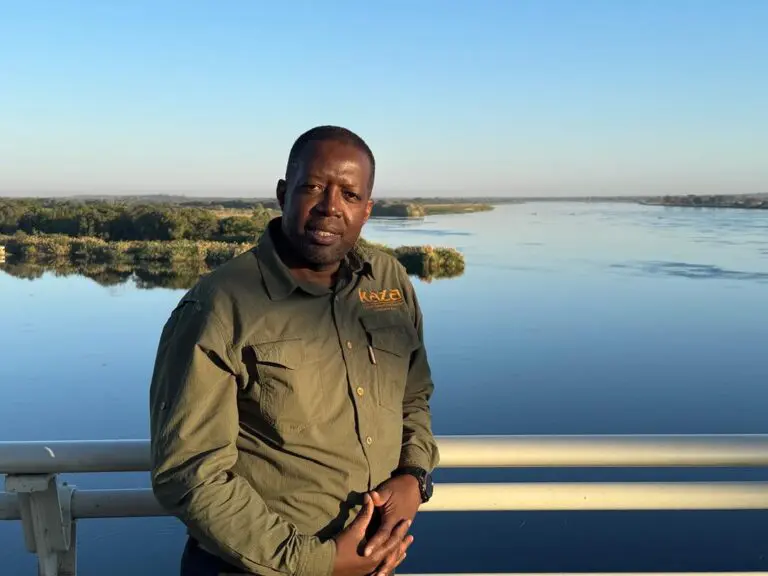
We were thrilled to welcome Nyambe Nyambe, Executive Secretary of the Kavango-Zambezi Transfrontier Conservation Area (KAZA), to our Board of Directors. A leading voice in conservation, Nyambe brings deep expertise and leadership experience that will help Maliasili’s strategic direction and governance.
“I believe in the power of collective action and networks. Maliasili is an excellent practitioner and facilitator of hands-on processes that build and nurture networks, and building teams for collective action. Joining the Maliasili Board is a huge privilege and an exciting opportunity for me to contribute to this exciting vision which has at its core the strengthening of partner organisations.”

Our Supporters

For 15 years, Maliasili has been able to do this work - and increasingly support more community-led conservation organizations and growing impact - because of the funders that we have worked with, often through long-term partnerships. Some of you have been with us from the very beginning, taking a chance on us when we were young and still finding our way. Others have walked alongside us for many years, backing our vision. Some have only recently joined us and are just beginning this journey together through shared interest in accelerating community-led conservation in Africa and beyond. At every stage, every supporter of our work has mattered. Without you and your support, none of what we’ve described in this report would be possible. Community-led conservation efforts across our partner landscapes are stronger because of you, and we are deeply grateful.

Thank you →

Collaborating Partners
Africa Nature-based Tourism Platform
Blue Ventures
Commonland
Synchronicity Earth
The Nature Conservancy
Well Grounded
Wildlife Conservation Network
World Resources Institute
Strategic Funding Partners
Anonymous (2)
BAND Foundation
Bezos Earth Fund
Critical Ecosystem Partnership Fund
Dry Creek Foundation
Flexi-Plan Foundation
Greenwood Place
Gregory and Jennifer Alexander
Hempel Foundation
Irène M Staehelin Foundation
Livelihood Impact Fund
Liz Claiborne & Art Ortenberg Foundation
Margaret A. Cargill Philanthropies
Milkweed Foundation
Mulago Foundation
Paul M. Angell Family Foundation
Personio Foundation
Pilot House Philanthropy
Relex Foundation
Sall Family Foundation
The Green Park Foundation
Trafigura Foundation
Tundra Glacier Fund
Supporters
Anonymous (4)
Anthony & Jeanne Pritzker Family Foundation
Ben Gallant
Carl Spector
Charles Fritz
Donald Slavik Family Foundation
Drollinger Family Charitable Foundation
Georgina Domberger
Imago Dei Fund
Jill Nelson
Jonathan Harvey
Jonathan Wechsler
Kevin Starr
Linden Trust for Conservation
Madagascar Biodiversity Foundation (FAPBM)
Marilyn Leff
Martha Nelson
Rainforest Trust
Raveendran Venugopal
Richard and Judith Gilmore
Sarah and Jed Nussdorf
The Stockel Family Foundation
Susan and Sanford Fitch Charitable Fund
Tides Foundation
The Chicago Community Foundation
Vanguard Charitable/The Hattendorf Kau Social
Impact Fund
Vanguard Charitable/The Stahl Kim Family Fund
Warren Nelson
World Wildlife Fund
Maliasili exists to help talented local conservation organizations overcome their challenges and constraints so that they can become more effective agents of change in their landscapes, communities, and nations.

Subscribe to our Quarterly Newsletter

Sign up with your email address to receive news and updates.
We respect your privacy.

© Maliasili 2014 - 2026

4 Carmichael St, Suite 111-193, Essex Junction, VT 05452

Maliasili is designated as a public charity (501c3) organization by the Internal Revenue Service.