

“Um pouco de chuva todos os dias fará os rios transbordarem.” — Provérbio Liberiano

Relatório Anual de 2025

Um ano de força, resiliência e vozes unidas.

Este ano começou com choques que abalaram todo o sector da conservação. Muitas organizações enfrentaram perturbações profundas, incluindo cortes na ajuda que se repercutiram em toda a sociedade civil e convulsões políticas ocorridas em vários países africanos. E, para muitos, a poeira ainda não assentou. Os impactos far-se-ão sentir durante anos, especialmente para aqueles na linha da frente cujo trabalho depende da estabilidade, da confiança e de investimentos de longo prazo. Os nossos pensamentos estão com todos os afetados, e a Maliasili permanece ao lado dos seus parceiros e do movimento de conservação liderado pelas comunidades como um todo, pois estas organizações são muitas vezes os únicos faróis nas suas comunidades em momentos como estes.

E, ainda assim, mesmo neste contexto desafiante, algo poderoso emergiu. Em todo o espaço da conservação liderada pelas comunidades, os nossos parceiros continuaram a avançar com clareza, coragem e determinação. Prosseguiram com o seu trabalho essencial enquanto também levantavam as suas vozes com ousadia. Vimo-los negociar por melhores financiamentos, moldar conversas e grandes eventos, liderar redes nacionais e articular visões ambiciosas para o futuro das suas comunidades e dos seus ecossistemas. Estes não foram momentos isolados, mas sim o reflexo de um movimento poderoso que está a ganhar forma: organizações locais que se afirmam não apenas como implementadoras, mas como líderes locais, nacionais e globais com o poder de moldar a agenda.

No centro desta transformação está aquilo que, na Maliasili, entendemos como força organizacional e ação e impacto coletivos. Estas bases intencionais permitem que os líderes tomem decisões sólidas, construam confiança, mobilizem recursos e sustentem o impacto ao longo do tempo. A força é o que transforma potencial em poder. É o que transforma uma boa organização numa organização duradoura. E, num ano marcado pela incerteza, essa força foi mais importante do que nunca.

2025 em resumo:

71 milhões de hectares

de terras e paisagens marinhas estão sob conservação pelos nossos parceiros

15 milhões de pessoas

engaged in interventions and benefits

58

organizações de conservação lideradas pelas comunidades de excelência

22 parceiros apoiados

com planeamento estratégico

52 líderes

em 3 novos programas de liderança

$4m+

concedidos aos parceiros através de financiamento direto e reatribuição de subvenções

Os Nossos Parceiros

A Maliasili trabalha com um portfólio cuidadosamente selecionado de organizações africanas locais de referência, que atuam diretamente com as comunidades na gestão, valorização e salvaguarda das suas terras e recursos naturais.

Identificamos parceiros de excelência e apoiamo-los no desenvolvimento de estratégias e comunicações claras e eficazes, na mobilização de mais financiamento e no reforço da sua liderança, para que possam alcançar um impacto ainda maior para as pessoas e para a natureza.
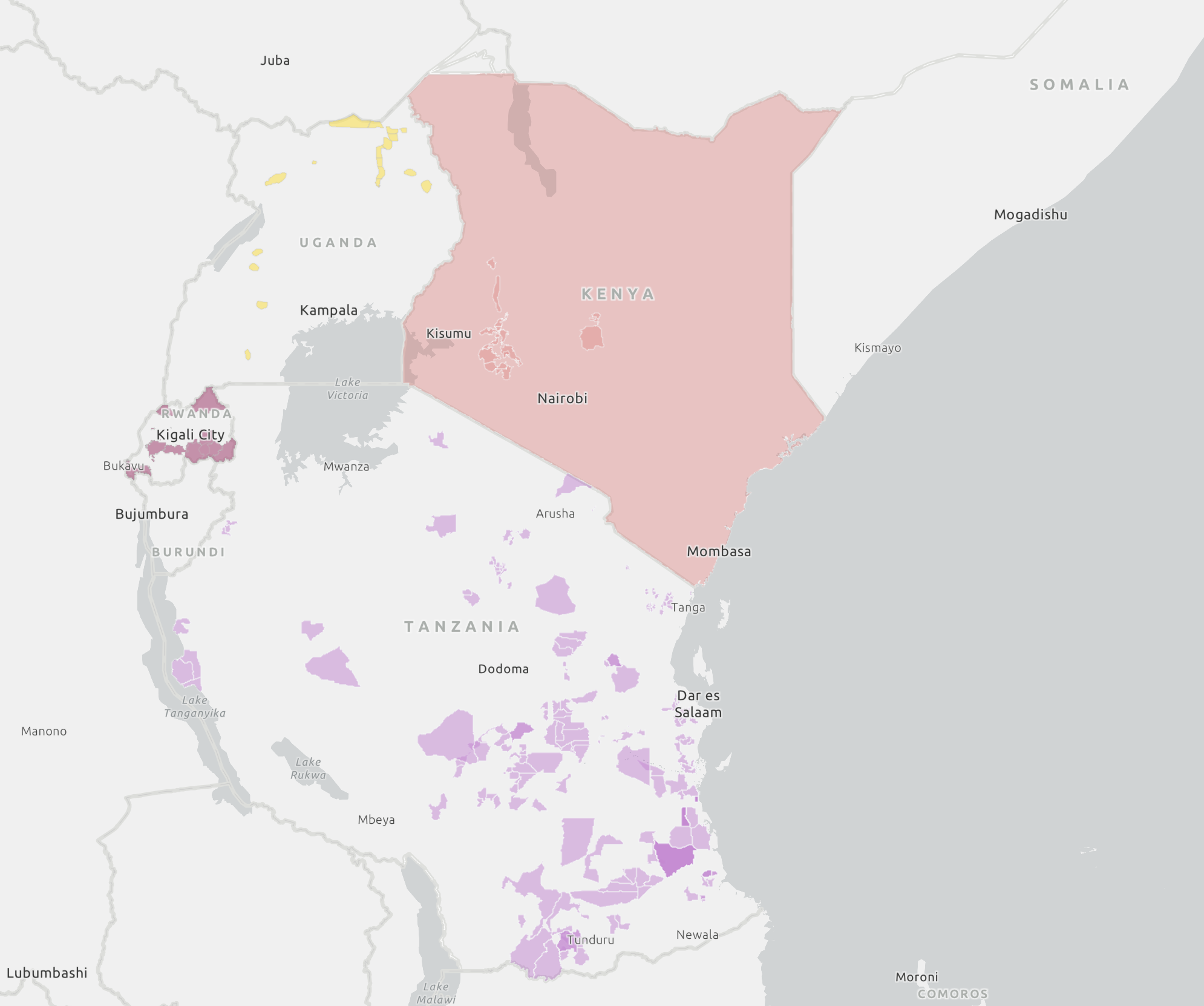
Os nossos parceiros trabalham em toda a 71 milhões de hectares de paisagens e paisagens marinhas interligadas – terras de pastoreio que sustentam milhões de pessoas; florestas tropicais que regulam os climas regionais; mangais costeiros que amortecem as marés de tempestade; e zonas húmidas que alimentam grandes rios. Estes lugares não são isolados; formam corredores ecológicos onde a vida selvagem se move, a água flui, as culturas prosperam e a resiliência climática é construída.
“Cada organização de conservação de base comunitária precisa de um parceiro como a Maliasili.”
– Jean Claude Dusabimana, Nature Rwanda
Parceiros
Onde trabalham

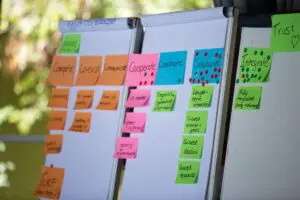
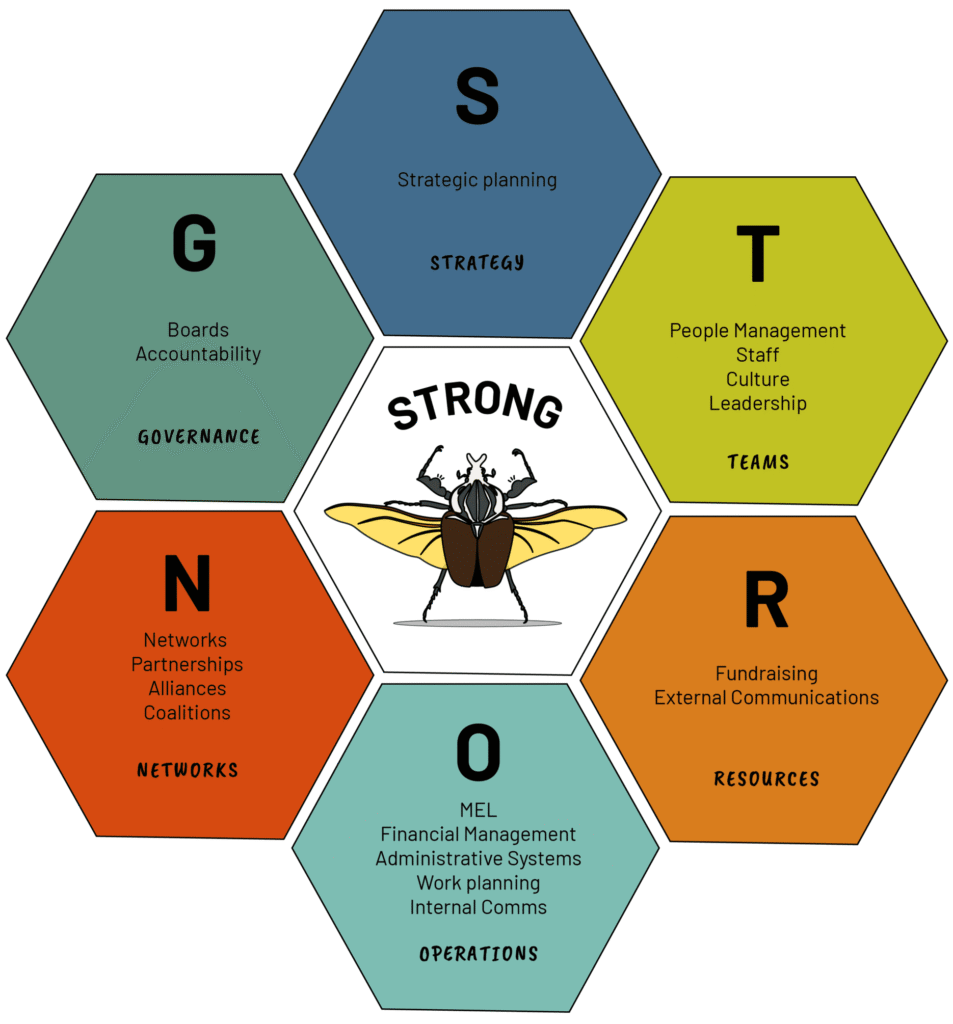
STRONG: Os Fundamentos de Organizações Eficazes

“A Maliasili ajudou-nos a dar um passo atrás e a pensar em nós próprios como uma organização, e não apenas como um projeto. Ter uma estratégia clara e sistemas estabelecidos tornou-nos mais confiantes, mais credíveis e mais capazes de planear a longo prazo.”
-Andrew Stein, CEO, CLAWS (Botswana)
Organizações eficazes – independentemente do seu tamanho, geografia ou missão – partilham uma característica comum. A força não é acidental; é construída. Na conservação, onde as organizações locais muitas vezes assumem as maiores responsabilidades com o menor apoio, construir essa força de forma intencional permite-lhes não apenas sobreviver, mas também liderar e prosperar.

O nosso quadro STRONG capta os seis fundamentos que as organizações de alto desempenho conseguem consistentemente assegurar. Estes pilares práticos determinam se uma organização consegue adaptar-se, inspirar confiança, mobilizar financiamento, tomar boas decisões e gerar impacto duradouro.

Este ano, vimos os nossos parceiros crescerem em todas as dimensões do quadro STRONG, lançando as bases para liderar com confiança e impacto.

Estatísticas STRONG:

22

parceiros apoiados com planeamento estratégico

23

parceiros que fortaleceram as suas equipas e a sua cultura organizacional

29

parceiros que receberam apoio em comunicação

21

parceiros fortaleceram os seus sistemas internos

23

parceiros que participaram no Congresso Mundial da Conservação

12

parceiros trabalharam em conselhos de administração, governação e sistemas de prestação de contas

ESTRATÉGIA

Ambiciosa, fundamentada e orientada por propósito

Uma estratégia forte é uma declaração de intenções. Reflete clareza, confiança e coragem, e define uma direção ousada para o futuro. Este ano, vimos os nossos parceiros desenvolver estratégias ambiciosas, centradas nas comunidades e fundamentadas num profundo conhecimento das paisagens.
“Há muitas coisas que não sabíamos que não sabíamos. O processo de planeamento estratégico ajudou-nos a ver essas coisas e agora sabemos para onde vamos e como vamos chegar lá.”
– Gashumba Damascene, REDO
A MJUMITA é a única rede de florestas comunitárias legalmente reconhecida na Tanzânia, unindo 132 organizações de base comunitária e mais de 15.000 membros para fortalecer a governação florestal comunitária, assegurar os direitos à terra e ampliar a gestão florestal baseada na comunidade em todo o país.

Os seus objetivos estratégicos incluem:
Legalizar os direitos e capacitar as comunidades para gerir 2,5 milhões de hectares de florestas de aldeia não reservadas
Reforçar os quadros de governação e de políticas em pelo menos 50 aldeias 
Reforçar a resiliência climática através da formação de 5.000 membros das comunidades e do apoio a 50 instituições 
A FAMELONA, em Madagáscar, co-gere ecossistemas de floresta tropical, mangal e marinhos de importância crítica no domínio de Sambirano. Os seus objetivos estratégicos incluem permitir uma governação comunitária independente em metade da sua paisagem de 165.000 hectares. 
A Herp Conservation Ghana é a principal organização de conservação de anfíbios da África Ocidental. O seu novo plano estratégico visa expandir o Refúgio de Espécies Ameaçadas de OnePone e criar mais áreas protegidas geridas pelas comunidades.

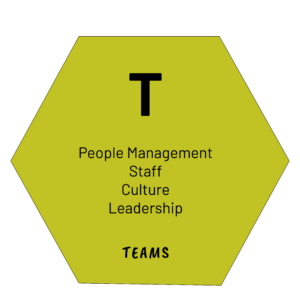
Equipas

Pessoas que impulsionam a missão

O maior ativo de uma organização é a sua equipa — as pessoas e líderes que se apresentam todos os dias para tornar a mudança possível. Em 2025, vimos os nossos parceiros aprofundarem o seu investimento naquilo que mais importa: liderança e construção de equipas coesas, orientadas por valores e com autoconsciência, capazes de navegar a complexidade, colaborar com confiança e conduzir as suas organizações rumo ao futuro. 
“Uma coisa que foi reescrita na minha mente é: a liderança não é um destino, mas uma jornada contínua de crescimento… Compreender quem você é e como isso influencia a sua forma de trabalhar é algo que realmente vale a pena explorar.”
– Esther Mhamila (Action For Ocean)

Uma comunidade de líderes mais forte para o futuro de Madagáscar →

A segunda coorte do Programa de Liderança Ambiental de Madagáscar (MELP 2) concluiu uma jornada de nove meses de liderança pessoal, de equipa e de sistemas. Desde aprender a equilibrar o autoconhecimento, a liderança de equipa e a estratégia, até reformular a forma como veem as comunidades locais como agentes de mudança e os doadores como colaboradores genuínos, a coorte ampliou tanto as suas perspetivas como o seu poder coletivo.

O MELP 2 culminou com uma visita à Ecovision Village, uma iniciativa de restauração do setor privado que emprega mais de 100 pessoas locais, muitas das quais antigos madeireiros, na gestão de viveiros, na agroflorestação dinâmica e na restauração de corredores ecológicos. Inspirada por este modelo, a coorte patrocinou coletivamente uma parcela de restauração que liga os Parques Nacionais de Mantadia e Analamazaotra. Foi o seu primeiro ato de impacto conjunto e um compromisso com a colaboração contínua.

“Estou feliz e com sorte por fazer parte da coorte MELP 2. Antes eu estava sobrecarregado no trabalho, mas agora aprendi a priorizar e a dizer não a outras responsabilidades. Também passei a dedicar tempo para ouvir a minha equipa na organização e no planeamento das nossas reuniões.” — Solo Randriamparany, Association Fosa

Rede de Liderança em Conservação de África 6: Líderes de conservação e restauração da África Oriental → 

Lançámos a sexta coorte da Rede Africana de Liderança em Conservação (ACLN 6) através da nossa parceria de longo prazo com a The Nature Conservancy. É parcialmente financiada pelo Bezos Earth Fund, que está a canalizar recursos diretamente para 200 campeões locais de restauração em todo o mundo através de uma parceria com o World Resources Institute, investindo também nos seus líderes e no desenvolvimento organizacional.

Esta coorte reúne 20 líderes de 10 organizações da África Oriental, todas elas já parceiras da Maliasili. Estas organizações são guardiãs de algumas das paisagens mais importantes da região: as conservâncias comunitárias emergentes do Uganda, as torres de água do Quénia, as florestas do Ruanda e os corredores de vida selvagem da Tanzânia.
“No dia 4 de agosto, cheguei como chefe. No dia 8 de agosto, saí como líder. Eis como essa transformação aconteceu… A Rede Africana de Liderança em Conservação, sob a Maliasili, foi mais do que apenas uma formação. Foi um espelho que me mostrou quem eu sou como líder. Uma bússola que me aponta para onde preciso de ir. Um desafio que me impulsiona a dar um passo em frente e a liderar de forma diferente.”
— Andrew Mariki, Community Wildlife Management Areas Consortium (Tanzânia)

Construindo uma cultura de liderança em toda a equipa →

Grandes líderes constroem grandes culturas organizacionais que capacitam os membros da equipa a levar o trabalho adiante. Este ano, apoiámos vários parceiros na construção de culturas fortes, orientadas por valores, onde a colaboração impulsiona resultados.
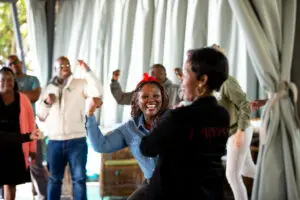
A Action for Ocean (AFO) é uma organização marinha empreendedora que trabalha em parceria com comunidades costeiras da Tanzânia. O seu workshop de equipa foi um turbilhão de energia, ajudando o grupo jovem e dinâmico a perceber como a sua abertura e entusiasmo podem fortalecer a forma como trabalham em conjunto:
“Esta experiência reforçou um princípio fundamental: equipas fortes e de alto desempenho são construídas com base na compreensão das diferenças, na gestão construtiva dos conflitos e na criação de uma cultura de confiança e abertura.” — Action For Ocean no LinkedIn
A Dahari apoia comunidades rurais na restauração das florestas e recifes das Ilhas Comores. A sua equipa de gestão sénior, composta por 11 membros, tem beneficiado coletivamente de formação em liderança oferecida pela Maliasili:
‘Nas nossas três formações de uma semana ao longo dos últimos 18 meses, aprofundámos questões de poder e vulnerabilidade e saímos mais fortes, tanto como indivíduos quanto como coletivo. Agora, esperamos assumir a liderança na orientação do restante da nossa equipa de 60 pessoas através de um processo semelhante em 2026.‘
— Misbahou Mohamed, Co-Diretora, Dahari
A Namibia Nature Foundation, uma liderança de confiança na gestão de recursos naturais liderada pelas comunidades, explorou a autoconsciência e as dinâmicas de equipa durante um workshop que incluiu várias ferramentas, como o MBTI. Ajudámos a equipa da NNF a aprofundar desafios e a identificar próximos passos práticos:
“Este workshop foi algo de que realmente precisávamos na NNF. Já falámos muito no passado sobre como podemos trabalhar melhor uns com os outros, compreendendo-nos um pouco melhor… Sentimo-nos agora como se tivéssemos um caminho a seguir relativamente a algumas das questões que temos enfrentado há alguns anos.” — Frances Chase, Namibia Nature Foundation 

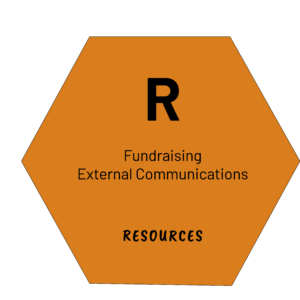
Recursos

Melhor dinheiro, melhores mensagens

Em todo o nosso portfólio, os parceiros passaram de perseguir financiamento para buscar o tipo certo de recursos — alinhados com a missão, flexíveis e estratégicos. Como parte disso, estão cada vez mais a investir nas suas comunicações como uma ferramenta para mobilizar recursos para o seu trabalho. 

Reunimos a Zimbabwe Environmental Law Organization (ZELO), a Southern Alliance For Indigenous Resources (SAFIRE), a Wildlife Conservation Action (WCA), o Tikobane Trust, o CCAZ e a CAMPFIRE Association para um workshop conjunto de angariação de fundos e comunicações.  

Eles saíram não apenas com ferramentas, mas com um renovado sentido de Zimbabwe’s conservation legacy e a faísca para contar, mais uma vez, uma história unificada. 

"The workshop gave me clarity on how fundraising and communications connect, and the importance of the two in achieving our goals, and making sure our organization is visible. I feel we now know what to do to showcase our work and impact. As a team, this had been a gap. We were also immersed in blindly applying for proposals. The workshop was an eye-opener: it helped us understand we should focus on building relationships first and connect the dots. It helped the team, including our comms officer, better understand why her work matters." Estella Toperesu, Executive Director, SAFIRE

We also brought together all our Rwanda partners for a similar workshop, helping them reframe fundraising as a strategy, not survival, and more.

“In our case, we didn’t realize we needed Maliasili until we began our strategic planning and discovered we were taking on too much…nor did I know I needed the confidence and courage to push back on misaligned funding. I tried this approach with a funder. I pushed back, stating that we needed an investment in our organization and were prepared to decline the money. The donor left, and we thought we had lost them. However, they wrote back two weeks later, accommodating all of our suggestions.” –  Jean Claude Dusabimana of Nature Rwanda 

View our collaboration with the Sustainable Finance Coalition in two Readers: an exploration of emerging financing models and a practical guide to making the most of them.  

Midway reflections on the MCF →

At Maliasili, we believe that transforming conservation means transforming how it is funded. For years, local African organizations have delivered extraordinary results for people, wildlife, and climate, but with too little flexible support to match their potential. The Maliasili Conservation Fund (MCF) set out to change that, testing what happens when you invest in organizations, not just projects.

Three years in, the results are powerful.

28

partner organizations in three key geographies

$14.5

in funding mobilized

59M Ha

supporting community-led conservation

94%

of organizations reported a deepening of their impact

x3

For every $1 from MCF, partners unlocked a further $3 in additional funding

26%

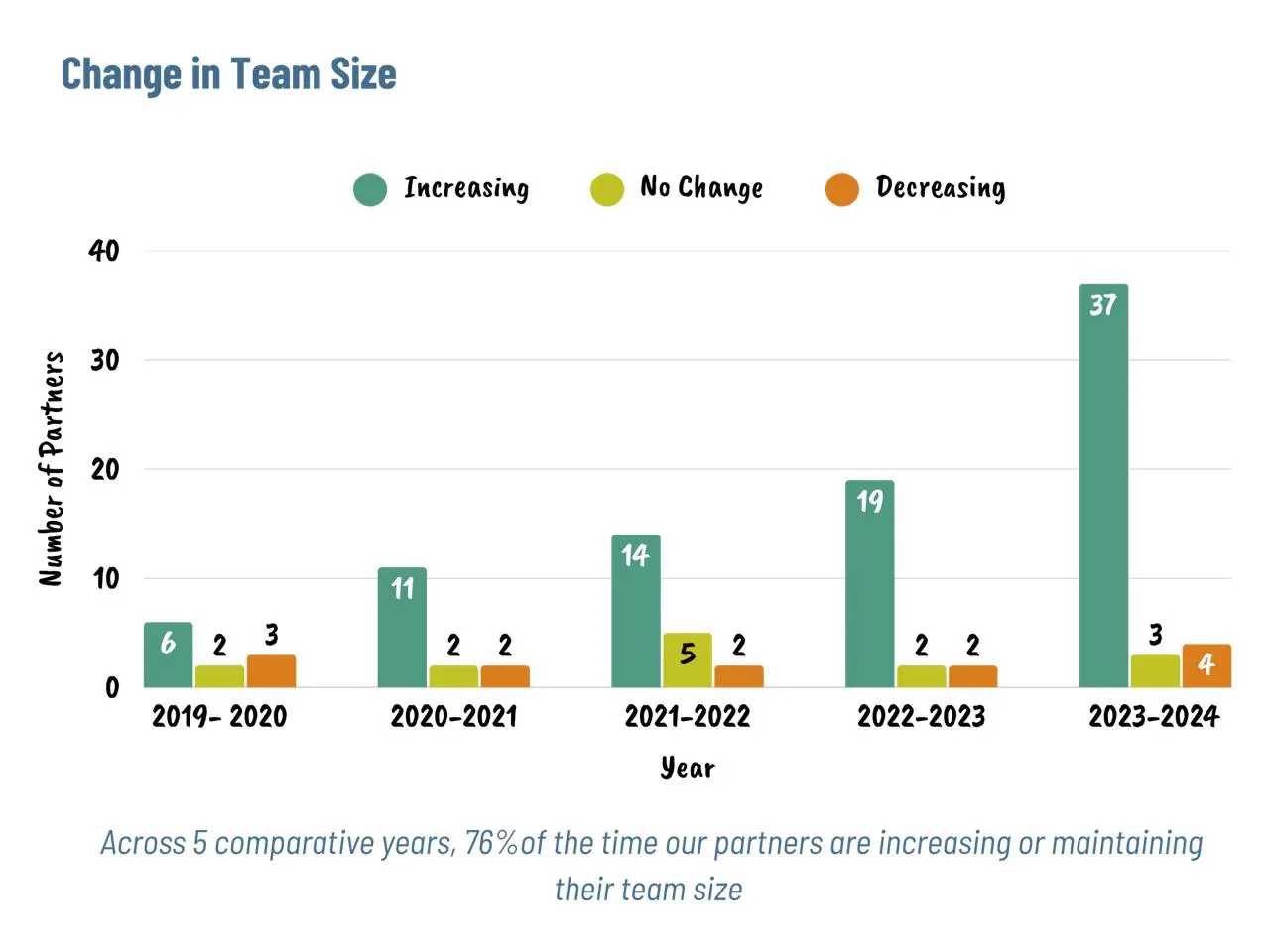
growth of team sizes, with 71% of partners hiring new staff
From reducing human-wildlife conflict by 60 percent in Zimbabwe to expanding community conservancies across 10 million hectares in Kenya to protecting Madagascar's forests and species, our partners are showing what real, flexible investment can achieve.

This impact report is not just a look back; it is a blueprint for what should come next.
“MCF was a complete game-changer. Our team growth was entirely dictated by the strategy, but without MCF, we couldn’t have hired the people we needed. The [MCF] funding allowed us to bring in critical roles – like a lawyer and a policy coordination officer – and professionalize the organization. It gave us the freedom to invest in the right people at the right time.”

– Alfred Mwanake, Taita Taveta Wildlife Conservancies Association (Kenya) 

Introducing Voices of Impact → 

A core part of strengthening resources is strengthening visibility. Too often, the stories of local organizations go untold. And when they’re not visible, they struggle to attract the right kind of funding, miss out on opportunities to shape the spaces where decisions are made, and the local conservation narrative loses the insights it needs the most: those rooted in lived experience and local reality.

That’s why we launched Voices of Impact, a storytelling series that puts our partners at the heart of the conversation, ensuring they are seen, heard, and recognized for the extraordinary work they lead every day. 
Reviving the watchers
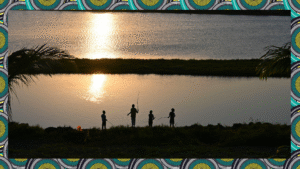
When community elder Luciano approached Ocean Revolution Mozambique, they worked together to revive the traditional stewardship of The Watchers – restoring both the health of the sea and the livelihoods that depend on it.
Culture, land and justice
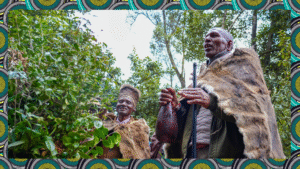
In Kenya’s Mau Forest, the Ogiek people are fighting not just for land, but for identity and justice. Through the Ogiek Peoples’ Development Program, songs, stories, and ceremonies have become acts of resistance, keeping alive the knowledge and traditions that bind them to the forest. Even as their case continues at the African Court on Human and Peoples’ Rights, cultural gatherings are reclaiming identity amid ongoing displacement and marginalization.
Living with lions
One of the biggest threats to lions is habitat loss and fragmentation. Their historical range is only ~10% of what it used to be. On the other hand, lions pose immense danger to people living near wildlife areas, especially pastoral communities whose entire livelihoods can be wiped out in a single night. But CLAWS Conservancy in Botswana and KopeLion in Tanzania are combining Indigenous knowledge with technology, and making great strides towards coexistence. 
The ripple effect
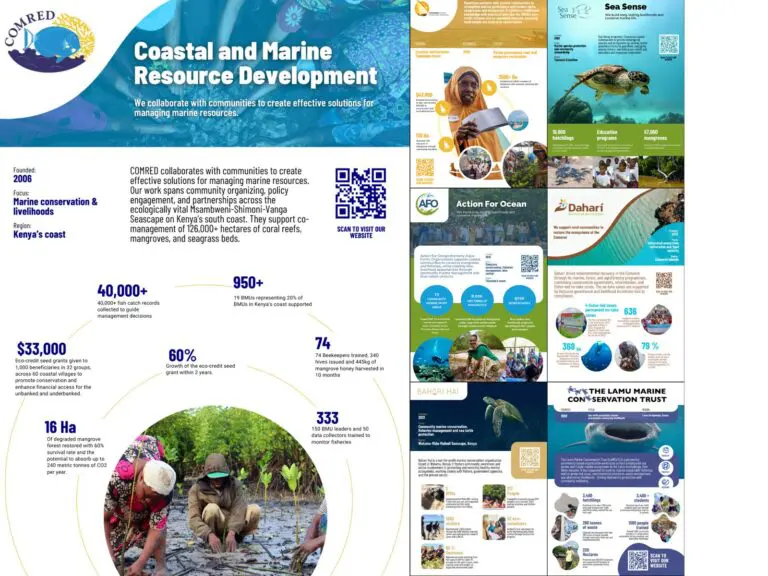
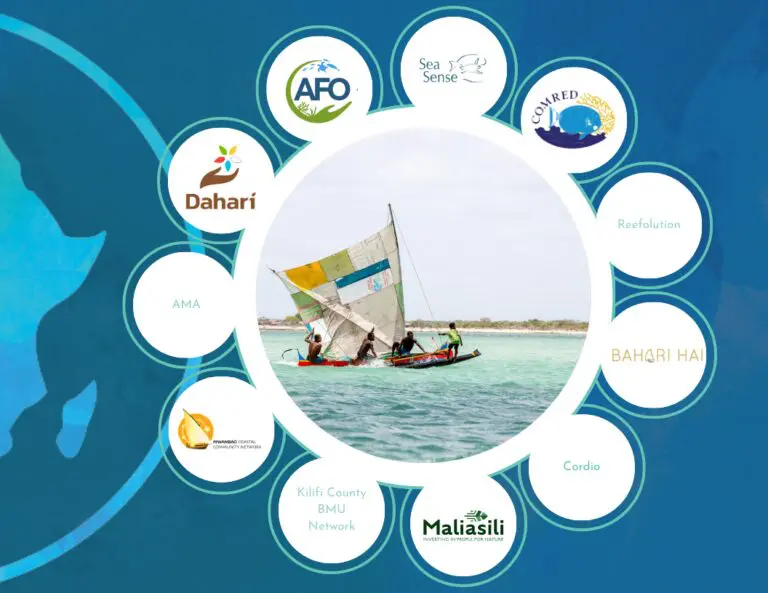
“Local organizations like ours bring deep knowledge, rooted relationships, and long-term commitment to the places and people we work with. But to unlock that potential, we need more funders to back us as leaders, not just implementers. The right kind of conservation funding creates a ripple effect: healthier oceans, stronger communities, more resilient ecosystems, and a generation of local leaders equipped to carry the work forward.” – COMRED, Mwambao and Sea Sense reflect on a transformative three-year grant from the Norwegian Agency for Development Cooperation (NORAD).

Responding to crisis → 

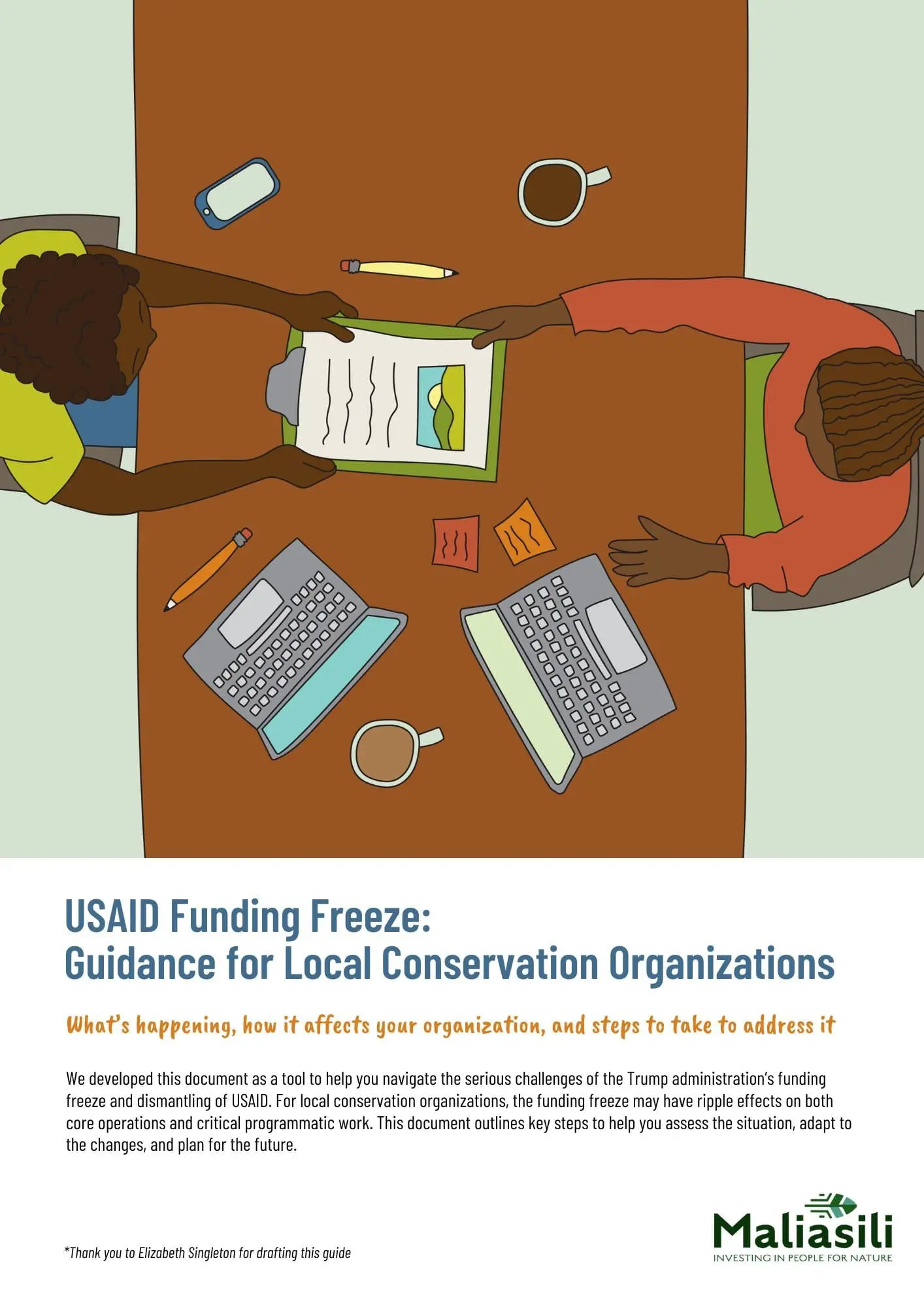
When the USAID funding freeze was announced in January, leading to its eventual dissolution, it sent shockwaves rippling across the entire conservation sector. A quarter of our partners were directly affected, and we moved swiftly to help them assess risks, rework budgets and explore new funding paths. We rallied our partner network and leadership community to share insights, support and created a tool to help them navigate the shifting landscape.

We accelerated $2.3 million in planned grants from the Maliasili Conservation Fund, and disbursed an additional $300,000 in rapid-response funding to 11 organizations facing urgent gaps. These early, flexible funds allowed essential work to continue, giving partners breathing room as they figured out their next steps.

“I had the best night’s sleep in quite a while – not only because of the funding, but because it reminded us we are not alone. In difficult times like these, the burden is shared.”

This crisis marks the beginning of a longer period of adjustment. Even as we acknowledge its severe impacts, we are also focused on the opportunity to reshape how aid works so local organizations can lead with greater autonomy. The more we stand together with our partners and supporters, the stronger and more resilient the movement becomes. 

Operations

Systems that turn vision into impact

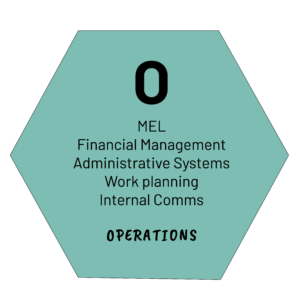
Strong operations – finance, HR, planning, MEL – are the backbone of effective organizations. This year, our partners took major steps forward to make their organizations more resilient, more accountable, and more ready for growth. 

Monitoring, Evaluation and Learning (MEL) has been a particular area of growth for many of our partners, and steady investment is helping partners strengthen the quality of their data, use it more effectively, and build greater confidence in sharing their impact. 

At our MEL workshop with Tsavo Trust, what really stood out was the shift in mindset: MEL is not a silo. MEL + comms + fundraising = learning, visibility, and resource mobilization.
From growth to impact → 

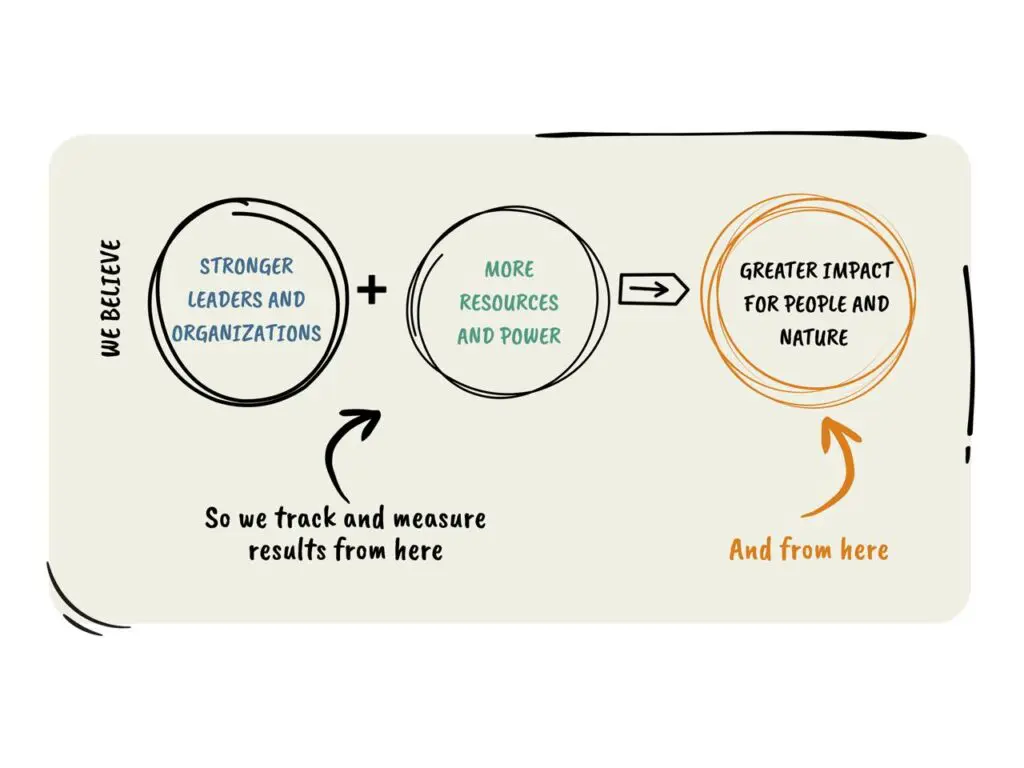
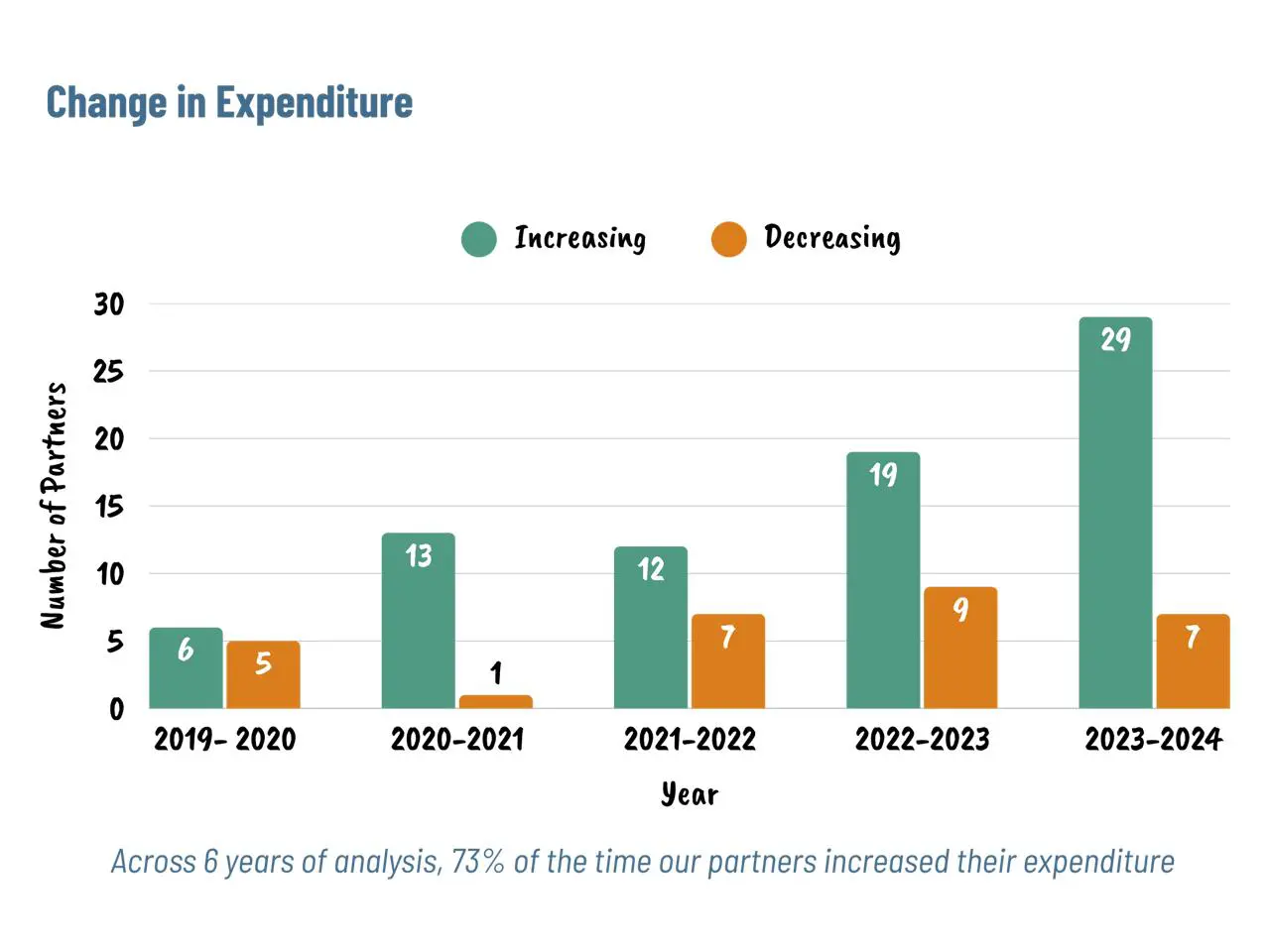
MEL was also a big theme for our internal work at Maliasili in 2025. We launched our first-ever Portfolio MEL Insights Report, which brings together partner data to show how organizational strength translates into real impact across Africa.

The results were encouraging; a clear picture of growing capacity, healthier finances, and expanding scale across our portfolio. We’ll continue refining this work, but already it’s helping partners use data not just to report progress, but to tell stronger stories, strengthen fundraising, and make better strategic decisions.

Networks

Collective power and shared voice

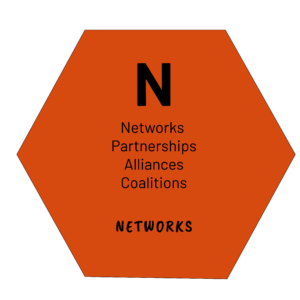
For too long, local African conservation orgs have been visible on the ground, but overlooked in the rooms where decisions are made. Their expertise was often undervalued, their leadership underestimated, and their roles confined to “implementors” of agendas that are set elsewhere.

But that narrative is changing. Across the continent, and on global platforms, leading African civil society organizations are stepping into their power. They know who they are and what they stand for. They are sharing a unified message with confidence. They are influencing policies, hearts and minds and representing Africa’s locally-led conservation movement on the world stage.

Together, they’re demonstrating that transformational change happens through networks of strong, connected organizations that collaborate and lead from shared purpose.

WIOMSA - Communities leading the conversation → 

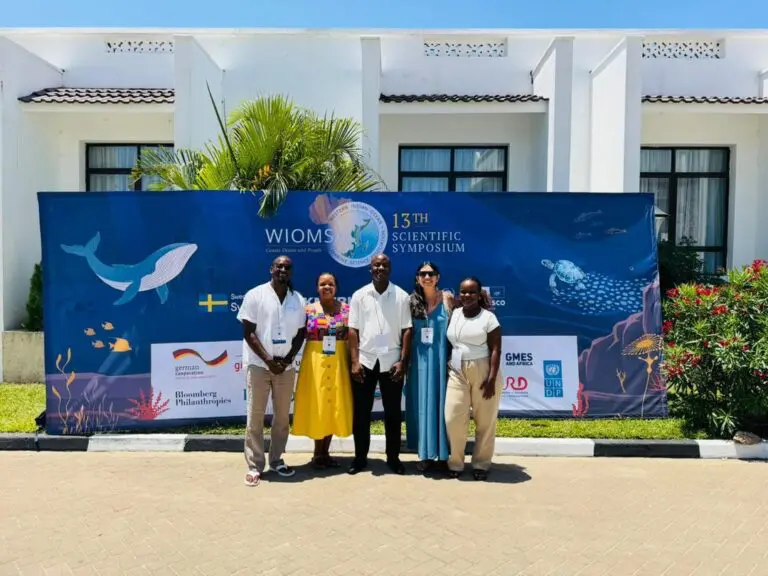
At the Western Indian Ocean Marine Science Association Symposium, we supported alumnae of the African Marine Conservation Leadership Program in creating and delivering the Community Marine Leaders Hub, where fishers, youth, and community leaders stood alongside scientists and policymakers to share their lived experiences, Indigenous knowledge, and solutions. 

World Conservation Congress: African leadership on the global stage →

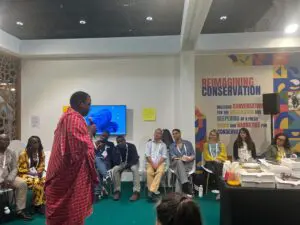
The World Conservation Congress is one of the most influential conservation gatherings in the world – a place where agendas are set, narratives are shaped, and global priorities take form. This year, our partners arrived not as isolated organizations navigating a massive event, but as a coordinated African delegation with a shared voice and a clear purpose.

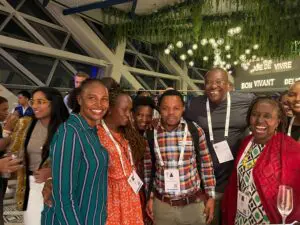
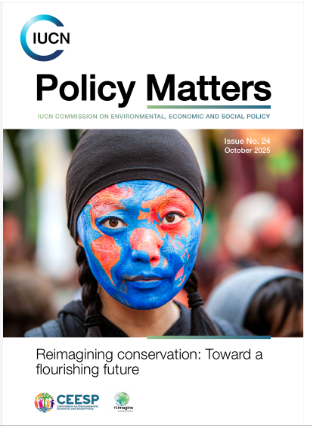
We worked closely with 22 of our partners to prepare for WCC with joint messaging and prep sessions. We were also a co-host of the Reimagine Conservation pavilion, which provided a space for community-led conservationists around the world to have their voices, experiences, and interests heard.

The result was remarkable: 45+ leaders secured 60+ speaking opportunities, appearing on high-level panels, technical sessions, and community dialogues. The group met each morning of the conference at a family meeting to strategize and energize for the day.

What stood out was how much stronger they felt as a collective: supporting one another, amplifying each other’s voices, and stepping onto the global stage with confidence and purpose. Across the week, the message was clear: local organizations no longer want to be on the margins of global conservation – they want to tell the story.

This is what a movement looks like. 
“More community voices are coming up in global conversations.”

– Fred Loure, Ujamaa Community Resource Trust
“The big lesson for me is: never go to a conference alone. We worked as a group, we supported each other, and we had our voices heard because we prepared together before coming. That really stays with me."

– Julie Hanta Razafimanahaka, Madagasikara Voakajy

African Conservation Leadership Network, 5th Cohort: From leaders to landscapes →  

“An army of ants, if united, could lift up a lion. The little that you can do will bring about change…not my legacy, but a collective one.” With these words, Sinegugu Zukulu of Sustaining the Wild Coast captured the spirit of ACLN 5 – a cohort defined by individual growth that transformed into a deep commitment to collective leadership.

The group took a powerful step forward, transitioning into Leaders Lab KAZA, our collaboration with Commonland. It’s a space designed to spark deeper leadership, stronger relationships, and bolder collaboration across the Kavango-Zambezi Transfrontier Conservation Area and beyond, one of the world’s largest connected conservation landscapes.

Our leadership programmes continue to be platforms where leaders learn, share and grow together. They connect, challenge each other, swap hard-won lessons, and build the kind of support systems that keep them grounded when the work gets tough.

The Leaders Lab is the next exciting chapter in our commitment to back local leaders, to strengthen the organizations they guide, and to help weave a stronger, more united conservation community across this critical landscape. 
“In this room, borders have disappeared. We’ve shared meals and laughter as friends and are showing up as our authentic selves.”

— Itai Moyo, Tikobane Trust
“We started with nothing – just young people with a dream to change our community. I don’t buy the notion that things cannot be done. If you have the courage to start, even the slightest change becomes possible.”

- Ndlelende Ncube, Tikobane Trust
I wanted to share a quick reflection on the last week….

Not long ago, we all worked alone across a vast, remote landscape; today through the African Conservation Leadership Network and the Leaders Lab, we are gathering forces and voices. This week, at the head of the great Victoria Falls, we continued to chart our course into the challenges and opportunities for the future. A small spring surfaces from beneath, high upon a lonely mountainside, where it begins its lonely, tangled journey downward. But in time, it joins another stream from another remote and isolated origin. These streams join others, and others, coming from similar journeys and develop into something larger - a river. This river joins other rivers. Together, we are that force. Through a unified vision, connected action, and collective voice, we are “The Smoke That Thunders.”

- Matt Becker, CEO of Zambia Carnivore Programme

Calling for smarter, more strategic funding → 

“In reality, local organizations have the expertise and experience but lack the resources to grow precisely because they are underfunded. The real issue is not a lack of capacity but rather a lack of direct, flexible, and long-term funding. Instead of perpetuating the 'capacity myth,' we have the opportunity to recognize that capacity is built through investment, not an inherent limitation.”
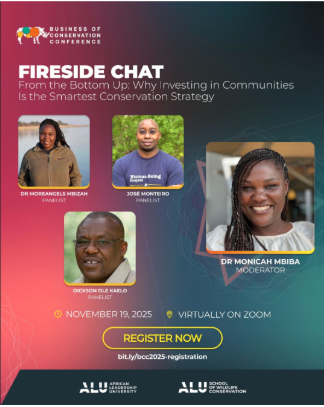
At the African Leadership University’s Business of Conservation Conference, our partners reminded us why investing in communities is the smartest, most cost-effective conservation strategy. As Dickson Kaelo put it, “Community conservation is cheaper… with fewer resources you can do so much more.” Yet it remains seriously underfunded.
Leaders called for a shift from benefits to power and revenue sharing, with Moreangels Mbizah insisting that communities are “shareholders, not beneficiaries,” and José Monteiro noting that “securing land rights and governance systems are investments, not costs.” Their message was clear: when communities lead – with the right resources and enabling conditions – conservation becomes more equitable, more efficient, and far more sustainable.

Governance

Trust, accountability and the foundations of leadership

Strong governance is the architecture behind every effective organization. It’s what turns vision into clarity, leadership into accountability, and community trust into lasting impact. Many of our partners strengthened the systems that keep them grounded – revitalizing boards, clarifying roles, building transparent decision-making structures, and strengthening community governance.

Many organizations struggle to make the most of their boards. Our CEO, Fred Nelson, shared his insights on what it takes to build a strong board and why it’s so crucial for effectiveness: 
“When I started, I didn’t even really know what a board was. I was a biologist, and my understanding was just that you have to have one, hold a meeting once a year, and tick that box. Our board was very supportive, but they didn’t get involved in operations. With Maliasili’s guidance, we began figuring out how to engage them — how to structure the board, clarify roles, and leverage their skills. It’s still a work in progress, but now it’s becoming a real asset for the organization rather than just an obligation.”
- Matt Becker, Zambia Carnivore Program

Welcoming a new board member →

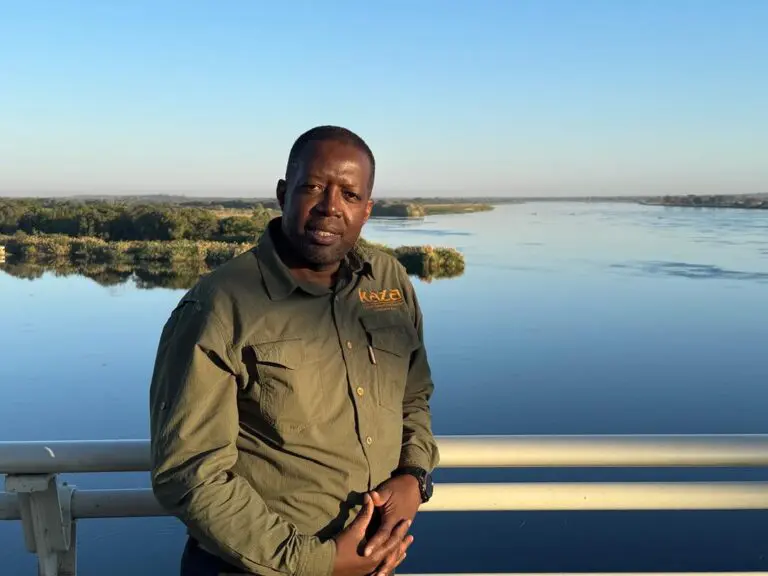
We were thrilled to welcome Nyambe Nyambe, Executive Secretary of the Kavango-Zambezi Transfrontier Conservation Area (KAZA), to our Board of Directors. A leading voice in conservation, Nyambe brings deep expertise and leadership experience that will help Maliasili’s strategic direction and governance.
“I believe in the power of collective action and networks. Maliasili is an excellent practitioner and facilitator of hands-on processes that build and nurture networks, and building teams for collective action. Joining the Maliasili Board is a huge privilege and an exciting opportunity for me to contribute to this exciting vision which has at its core the strengthening of partner organisations.”

Our Supporters

For 15 years, Maliasili has been able to do this work - and increasingly support more community-led conservation organizations and growing impact - because of the funders that we have worked with, often through long-term partnerships. Some of you have been with us from the very beginning, taking a chance on us when we were young and still finding our way. Others have walked alongside us for many years, backing our vision. Some have only recently joined us and are just beginning this journey together through shared interest in accelerating community-led conservation in Africa and beyond. At every stage, every supporter of our work has mattered. Without you and your support, none of what we’ve described in this report would be possible. Community-led conservation efforts across our partner landscapes are stronger because of you, and we are deeply grateful.

Thank you →

Collaborating Partners
Africa Nature-based Tourism Platform
Blue Ventures
Commonland
Synchronicity Earth
The Nature Conservancy
Well Grounded
Wildlife Conservation Network
World Resources Institute
Strategic Funding Partners
Anonymous (2)
BAND Foundation
Bezos Earth Fund
Critical Ecosystem Partnership Fund
Dry Creek Foundation
Flexi-Plan Foundation
Greenwood Place
Gregory and Jennifer Alexander
Hempel Foundation
Irène M Staehelin Foundation
Livelihood Impact Fund
Liz Claiborne & Art Ortenberg Foundation
Margaret A. Cargill Philanthropies
Milkweed Foundation
Mulago Foundation
Paul M. Angell Family Foundation
Personio Foundation
Pilot House Philanthropy
Relex Foundation
Sall Family Foundation
The Green Park Foundation
Trafigura Foundation
Tundra Glacier Fund
Supporters
Anonymous (4)
Anthony & Jeanne Pritzker Family Foundation
Ben Gallant
Carl Spector
Charles Fritz
Donald Slavik Family Foundation
Drollinger Family Charitable Foundation
Georgina Domberger
Imago Dei Fund
Jill Nelson
Jonathan Harvey
Jonathan Wechsler
Kevin Starr
Linden Trust for Conservation
Madagascar Biodiversity Foundation (FAPBM)
Marilyn Leff
Martha Nelson
Rainforest Trust
Raveendran Venugopal
Richard and Judith Gilmore
Sarah and Jed Nussdorf
The Stockel Family Foundation
Susan and Sanford Fitch Charitable Fund
Tides Foundation
The Chicago Community Foundation
Vanguard Charitable/The Hattendorf Kau Social
Impact Fund
Vanguard Charitable/The Stahl Kim Family Fund
Warren Nelson
World Wildlife Fund
A Maliasili existe para ajudar organizações locais de conservação talentosas a superar os seus desafios e limitações, para que possam tornar-se agentes de mudança mais eficazes nas suas paisagens, comunidades e países.

Subscreva a nossa Newsletter Trimestral

Inscreva-se com o seu endereço de e-mail para receber notícias e atualizações.
Respeitamos a sua privacidade.

© Maliasili 2014 - 2026

4 Carmichael St, Suite 111-193, Essex Junction, VT 05452

A Maliasili está designada como uma organização de caridade pública (501c3) pelo Serviço de Receita Federal dos Estados Unidos (Internal Revenue Service).